
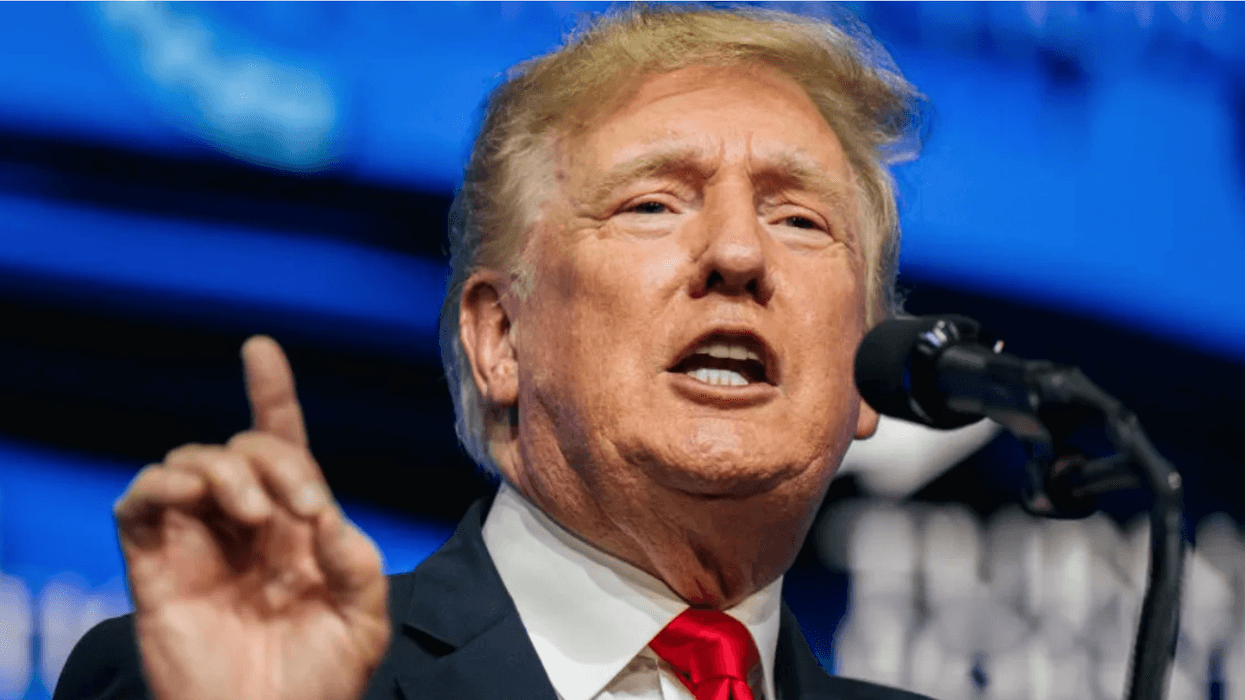

Former Republican President Donald Trump was harshly criticized after he attempted to take credit for the existence of the North Atlantic Treaty Organization (NATO) amid heightened interest in the organization and its member states in the wake of Russian President Vladimir Putin's invasion of Ukraine.
Trump seemed to rewrite the history of his relationships with NATO member states, claiming in a statement that it had been he who had convinced "delinquent NATO members to start paying their dues, which amounted to hundreds of billions of dollars."
Trump went on to suggest that NATO would not exist had he not acted so "strongly and swiftly."
Missing entirely from Trump's narrative is the fact that he regularly undermined NATO while in office and discussed withdrawing the United States from its NATO obligations entirely.
In 2017, European nations reacted with shock and defiance when Trump, then-President elect, suggested that the European Union would eventually break up and declared that NATO is "obsolete."
Speaking at the time in a joint interview with The London Times and the German publication Bild, Trump claimed that he'd said for years "that NATO had problems," stressing that the organization is "obsolete because it was designed many, many years ago" and criticizing member states for not "paying what they're supposed to be paying."
Trump's comments represent an unprecedented breach in transatlantic relations and came at a time when Europe faced several new elections in a year in which hardline anti-immigrant Euroskeptics made efforts to gain power. The consequences of a potential NATO breakdown are extensive: Guarantees from the U.S. are vital to European security and the U.S. and E.U. are each other's most valuable trade partners. On matters of war, peace, and wealth, the U.S. and E.U. are interlinked.
Trump's statements received considerable backlash from NATO itself, with NATO spokesperson Oana Lungescu rejecting his comments as an affront to multilateral cooperation. Interestingly, Trump's most prominent supporter was Putin himself, who, through his press spokesperson Dmitry Peskov, agreed with Trump's assessment of NATO and accused the organization of making "confrontation" its "systemic goal."
These events seem particularly more salient in light of the fact that in the weeks before the invasion, Russia had issued several security demands the United States and its allies rejected.
Putin aims to curtail the enlargement of the North Atlantic Treaty Organization (NATO), seeking to bar Ukraine from joining the alliance in a bid to assert Russia’s influence over its neighbors, aspirations that gained further prominence after Putin seized the Crimean Penninsula in 2014.
Although Ukraine is not yet a member of NATO, it is partnered with the military alliance. This development angered Putin, who views Ukraine not as an independent nation but as land lost as a result of the end of the Cold War, which resulted in the Soviet Union's collapse and diminished Russia's superpower status.
Putin had left world leaders guessing as to whether or not he actually wanted to proceed with an invasion though he clearly wants NATO to curb military exercises in Ukraine and in other former Soviet satellite states, demands that resulted in a diplomatic stalemate.
Remarkably, Trump's competing fictions about his relationships with NATO member states and the fate of Ukrainian sovereignty are further muddled by the fact that his first impeachment was initiated in part because he'd encouraged Ukrainian leadership to investigate then-candidate Joe Biden for “political dirt” he could wield against his opponent.
Trump was ultimately acquitted by the Senate in early 2020 following a highly contentious trial and he touted the acquittal as a sign of his innocence in the matter, which he has claimed, without evidence, was a Democratic plot to topple his presidency.
Trump's statement garnered significant criticism.
While Trump's statement represents his most striking contribution to a litany of behavior steeped in historical revisionism, it is, of course, far from the first time that he made headlines for disparaging NATO since taking and leaving office.
Perhaps most notably, Trump found himself on the wrong side of French President Emmanuel Macron after he made the erroneous claim that NATO allies had agreed to boost defense spending beyond 2 percent of their gross domestic product.
Trump, speaking in July 2018 just days ahead of the controversial Helsinki summit, when he discredited the U.S. intelligence community's conclusions that Russia interfered in the 2016 general election, said that NATO member states had agreed to put up "additional money," though he offered no specifics.
Macron, however, disagreed, and pointed to a document that had been published before an impromptu crisis meeting that states that NATO allies had started to increase the amount they spend on defense in real terms and "some two-thirds of allies have national plans in place to spend 2 percent of their gross domestic product on defense by 2024."
The French leader stressed that he did not believe it would be a good idea for NATO allies to raise their defense spending to 4 percent of GDP from 2 percent, as Trump had suggested. Macron also waved away reports that Trump threatened to withdraw the United States from the military alliance over a funding dispute.


 @MuffinsNsuch/X
 @serena_loscalzo/TikTok
 @serena_loscalzo/TikTok
 @serena_loscalzo/TikTok
 @serena_loscalzo/TikTok
 @serena_loscalzo/TikTok
 @serena_loscalzo/TikTok
 @serena_loscalzo/TikTok
 @serena_loscalzo/TikTok
 @serena_loscalzo/TikTok
 @serena_loscalzo/TikTok
 @itsvictoriavega/TikTok
 @itsvictoriavega/TikTok
 @itsvictoriavega/TikTok
 @itsvictoriavega/TikTok
 @itsvictoriavega/TikTok
 @itsvictoriavega/TikTok
 @itsvictoriavega/TikTok
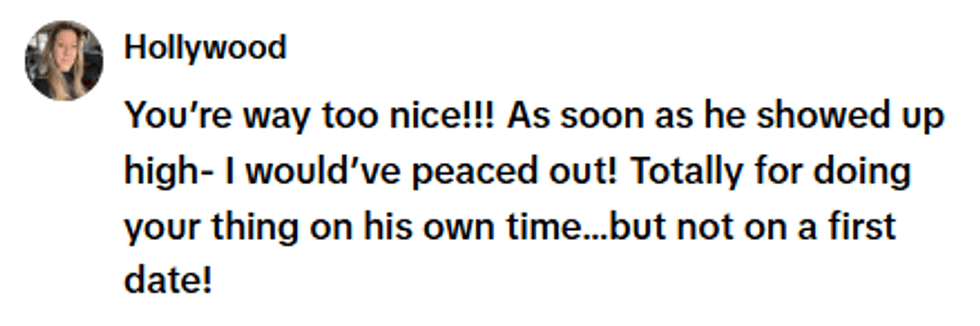 @itsvictoriavega/TikTok
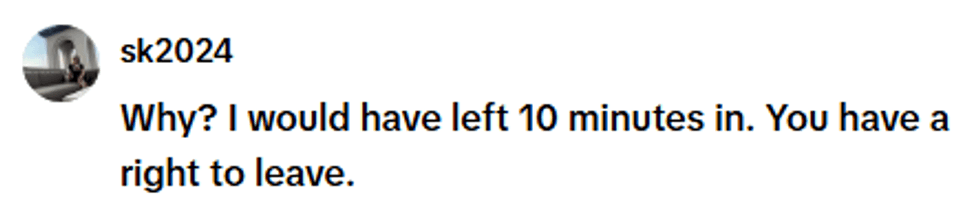 @itsvictoriavega/TikTok
 @itsvictoriavega/TikTok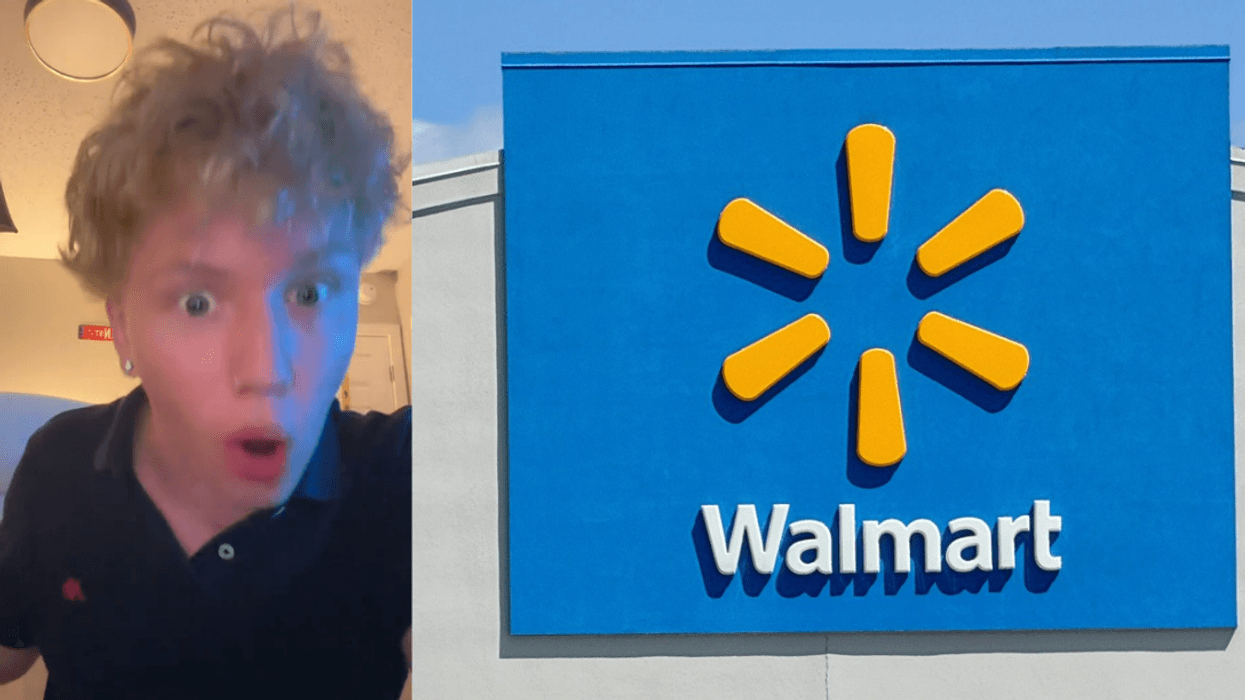
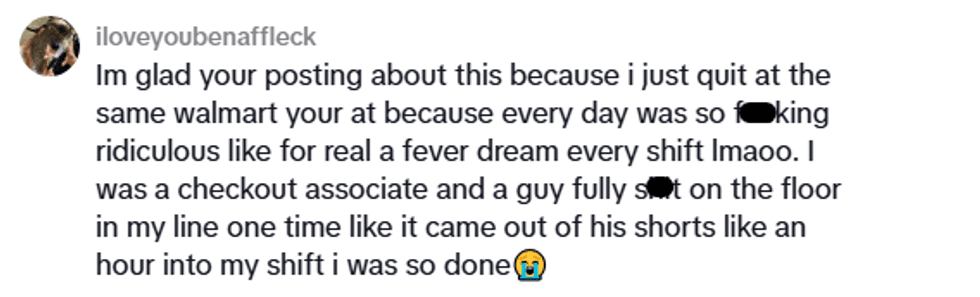 @lolxdlolxdlolxd23455/TikTok
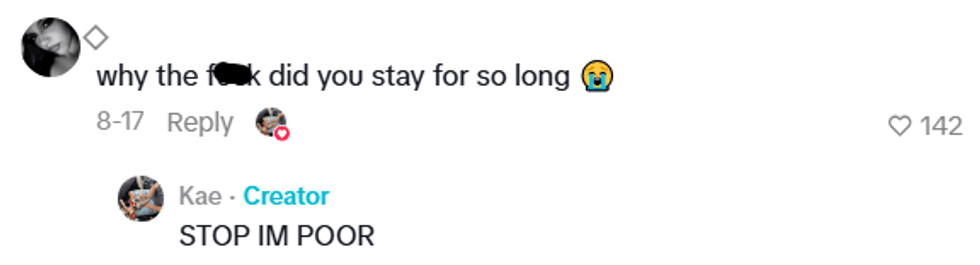 @lolxdlolxdlolxd23455/TikTok
 @lolxdlolxdlolxd23455/TikTok
 @lolxdlolxdlolxd23455/TikTok
 @lolxdlolxdlolxd23455/TikTok
 @lolxdlolxdlolxd23455/TikTok
 @lolxdlolxdlolxd23455/TikTok
 @lolxdlolxdlolxd23455/TikTok
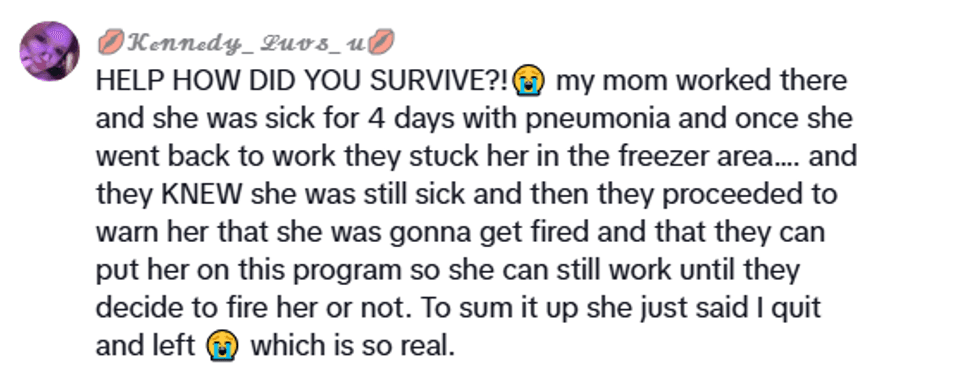 @lolxdlolxdlolxd23455/TikTok
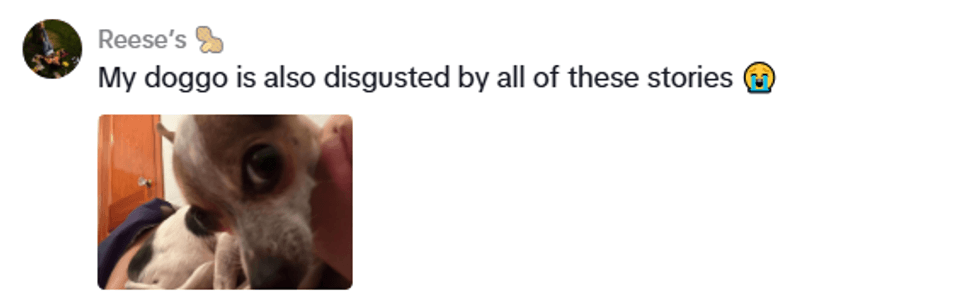 @lolxdlolxdlolxd23455/TikTok
Larry David's New Satirical Essay Mocking Democratic Socialists Isn't Sitting Well With People