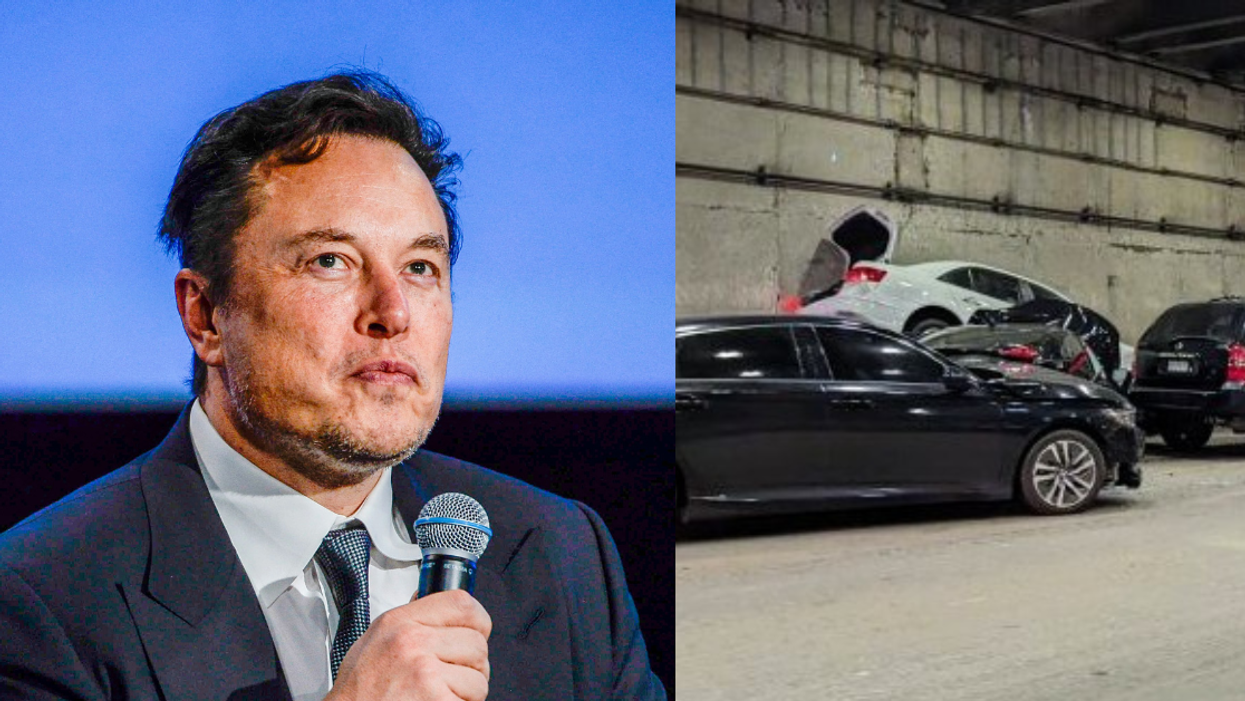
Tesla's stock value has been trending downward—down 65% from the beginning of the year—for some time now for many reasons including CEO Elon Musk selling off large quantities of his own shares in the company.
Recently revealed information about an accident in San Francisco last month definitely isn't helping.
An accident on Thanksgiving day involved a Tesla and 7 other vehicles in the Yerba Buena Island Tunnel—part of the San Francisco–Oakland Bay Bridge complex that crosses Yerba Buena Island.
It resulted in traffic in the tunnel being stopped while the accident was cleaned up and lead to significant travel delays and 2 minors being transported to the hospital.
A police report released Wednesday revealed the driver said they were using their Tesla's "full self-driving mode" (FSD) when the crash occurred.
The police report stated the Tesla was traveling down the tunnel at 55 MPH when it merged into the left lane and then braked suddenly, slowing to about 20 MPH and causing the vehicle behind it to collide with it.
Several more vehicles collided with the now stopped cars in a chain reaction of collisions.
You can see local Bay area news coverage here:
Tesla driver blames self-driving mode for 8-vehicle crash on Bay Bridgeyoutu.be
While police have been unable to determine whether self-driving mode was indeed engaged at the time of the accident, this is far from the only report of the manufacturer's advanced driver assistance systems (ADAS) malfunctioning.
The National Highway and Traffic Safety Administration (NHTSA) is currently investigating Tesla because of multiple reports of "unexpected brake activation"—often referred to as "phantom braking" by consumers.
According to a NHTSA document:
"The complaints allege that while utilizing the ADAS features including adaptive cruise control, the vehicle unexpectedly applies its brakes while driving at highway speeds."
"Complainants report that the rapid deceleration can occur without warning, at random, and often repeatedly in a single drive cycle."
According to CNBC, NHTSA is currently investigating 41 crashes involving Teslas where ADAS systems were involved. Fourteen of those 41 crashes resulted in fatalities.
Many people expressed concern over the possibility of a much worse accident.
Many were completely unsurprised by the continued downward spiral of Tesla's stock value.
FSD—which costs Tesla owners either a one-time payment of $15,000 or monthly payments of $199 to activate—is supposed to make driving easier and safer.
But it definitely seems to be missing the mark—at least sometimes.
And with vehicles that can weigh more than 4,000 pounds and routinely travel at highway speeds of 75 MPH, even an occasional miss is unacceptable.
 @KBN/Instagram
  @pannchoa/X
 @KFloopNet/X
 @KFloopNet/X
 @KFloopNet/X
 @KpopInsider/X
 reply to @xxxibgdrgn/Instagram
 reply to @xxxibgdrgn/Instagram
 reply to @xxxibgdrgn/Instagram
 reply to @xxxibgdrgn/Instagram
 reply to @xxxibgdrgn/Instagram
 @hh.azzy/Instagram
 reply to @hh.azzy/Instagram
 reply to @hh.azzy/Instagram
 reply to @hh.azzy/Instagram
 reply to @hh.azzy/Instagram
 reply to @hh.azzy/Instagram
 reply to @hh.azzy/Instagram
 reply to @hh.azzy/Instagram
 reply to @hh.azzy/Instagram
 reply to @hh.azzy/Instagram
 reply to @xxxibgdrgn/Instagram
 reply to @xxxibgdrgn/Instagram
 reply to @xxxibgdrgn/Instagram
 reply to @xxxibgdrgn/Instagram
 reply to @xxxibgdrgn/Instagram
 reply to @xxxibgdrgn/Instagram
 reply to @xxxibgdrgn/Instagram
 reply to @xxxibgdrgn/Instagram
 reply to @xxxibgdrgn/Instagram
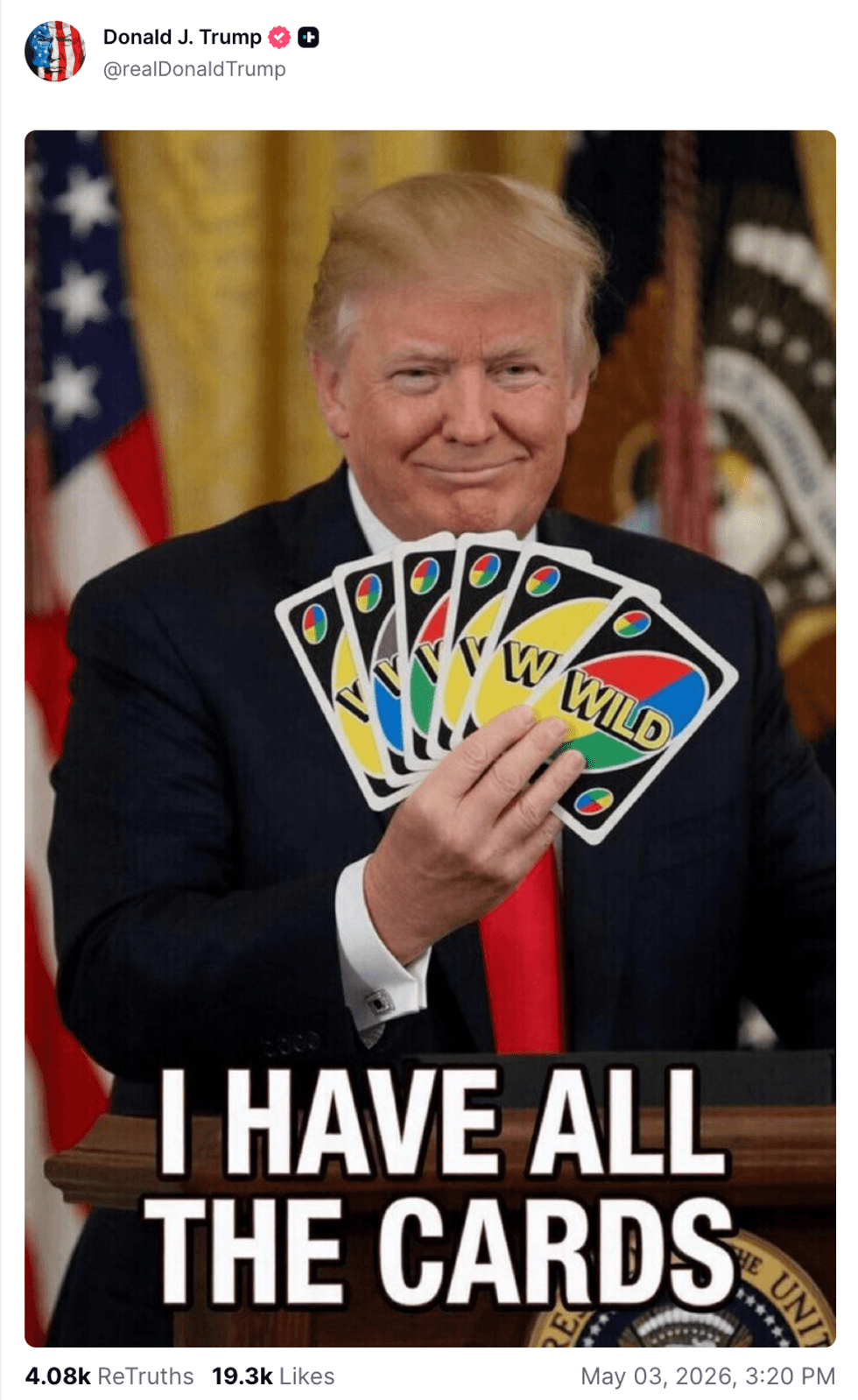 @realDonaldTrump/Truth Social
 @WhiteHouse/X