Educators are often among the unsung heroes of our society, making all sorts of sacrifices for their students.
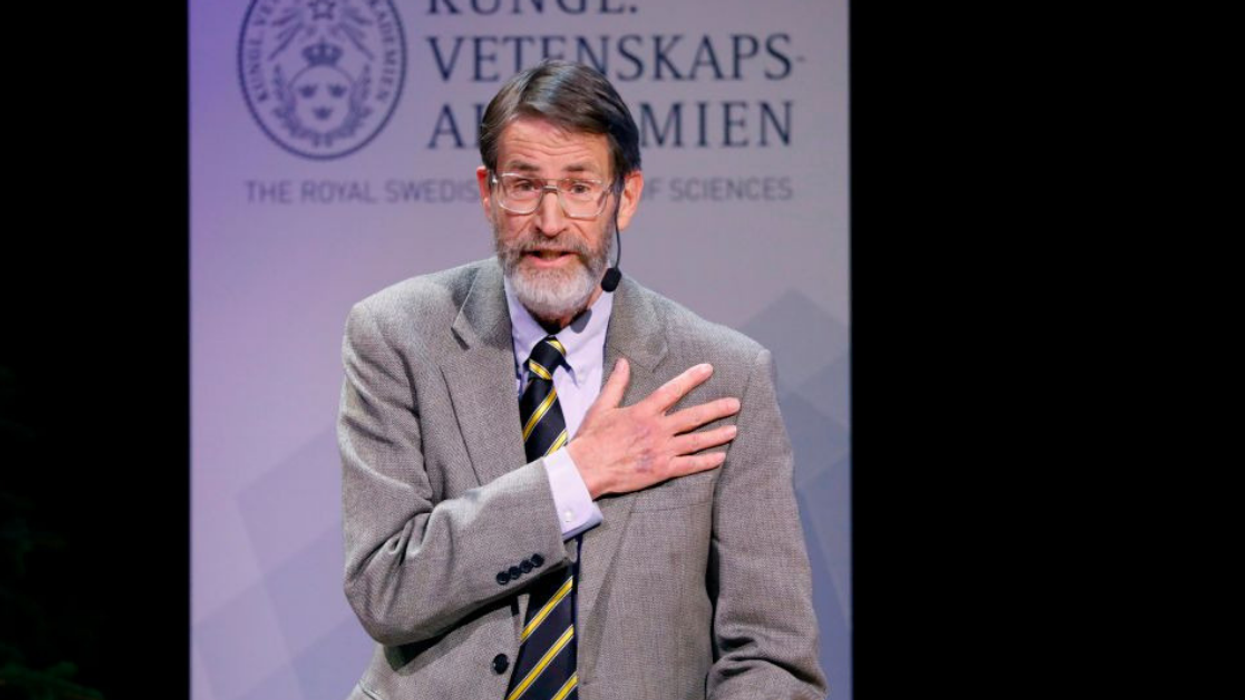
Take the story of George P. Smith, for example.
If Smith's name looks somewhat familiar to you, it's because in December 2018 he was awarded the Novel Prize in Chemistry (an honor he shared with Frances Arnold of the California Institute of Technology and Gregory Winter of the MRC molecular biology lab in Cambridge, England.
Smith received nearly $250,000 in prize money upon accepting his award, and he's taking every cent of that money and donating it to launch the Missouri Nobel Scholarship Fund for students in the College of Arts and Sciences.
Speaking at a community event in Columbia with his wife, Marjorie, Smith said his liberal arts education provided the "springboard" for his career as a scientist:
"This might surprise some people, but my first degree was actually a bachelor of arts, not a bachelor of science. My liberal arts education was the springboard for a lifetime of learning and cultural engagement. Margie and I hope that supporting the liberal arts as a whole will enrich the lives of future Mizzou students, whatever careers they choose."
He added:
"I don't know if I particularly want to say that I am proud personally of this award because as I think all Nobel laureates understand, they are in the middle of a huge web of science, of influence and ideas, of research and results that impinge on them and that emanate from them."
MU and the University of Missouri System contributed an additional $300,000 to the scholarship fund, which now totals more than $500,000. Additionally, MU Chancellor Alexander N. Cartwright said that the university will $100,000 for scholarships every time a faculty member wins a Nobel Prize.
In a statement of his own, Cartwright praised Smith's "incredibly humble attitude":
"Time and time again we have been overwhelmed by George's incredibly humble attitude, and today we are amazed even further by his spirit of generosity. Gifts such as these make it possible for more students to attend our university and have the experience of being taught by other world-class faculty."
Smith's support for his students struck a chord across social media. The news comes the same week that a college admissions scandal revealing that wealthy parents bribed school officials to admit their children into top universities made national headlines.
In an op-ed, The Kansas City Star took aim at the college admissions scandal, saying that Smith's donation "shows the best of higher ed":
"Dr. Smith, you honor Missouri — your university and your state — with not only your Nobel-winning work but with your world-class heart. And may we dwell a fraction as much on your example as on the stunning realization that Aunt Becky from "Full House" is a cheater.
Bravo, Dr. Smith, and may others lead by your example.


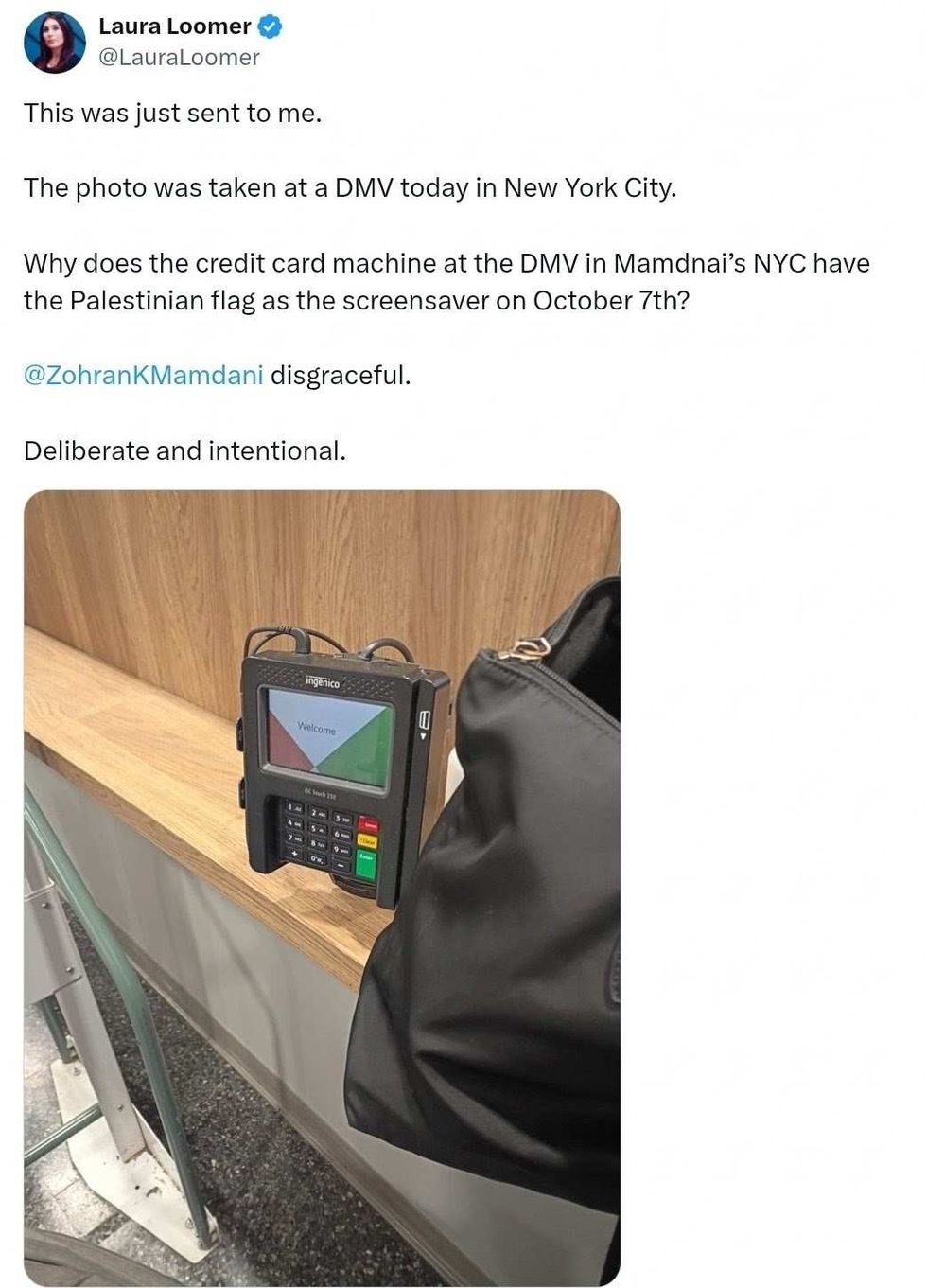 @LauraLoomer/X
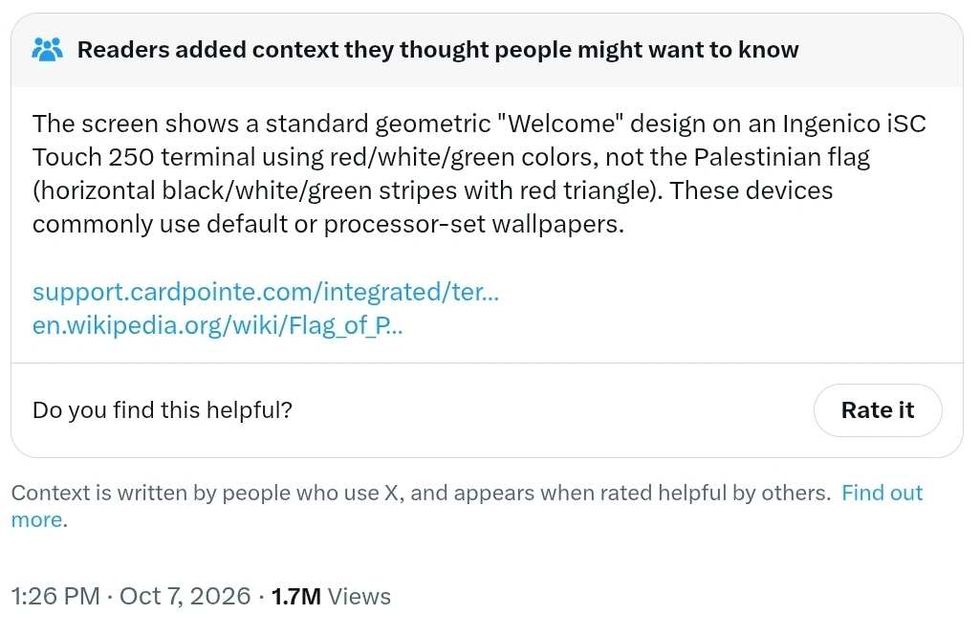 community note on post by @LauraLoomer/X
 Wikipedia; @LauraLoomer/X
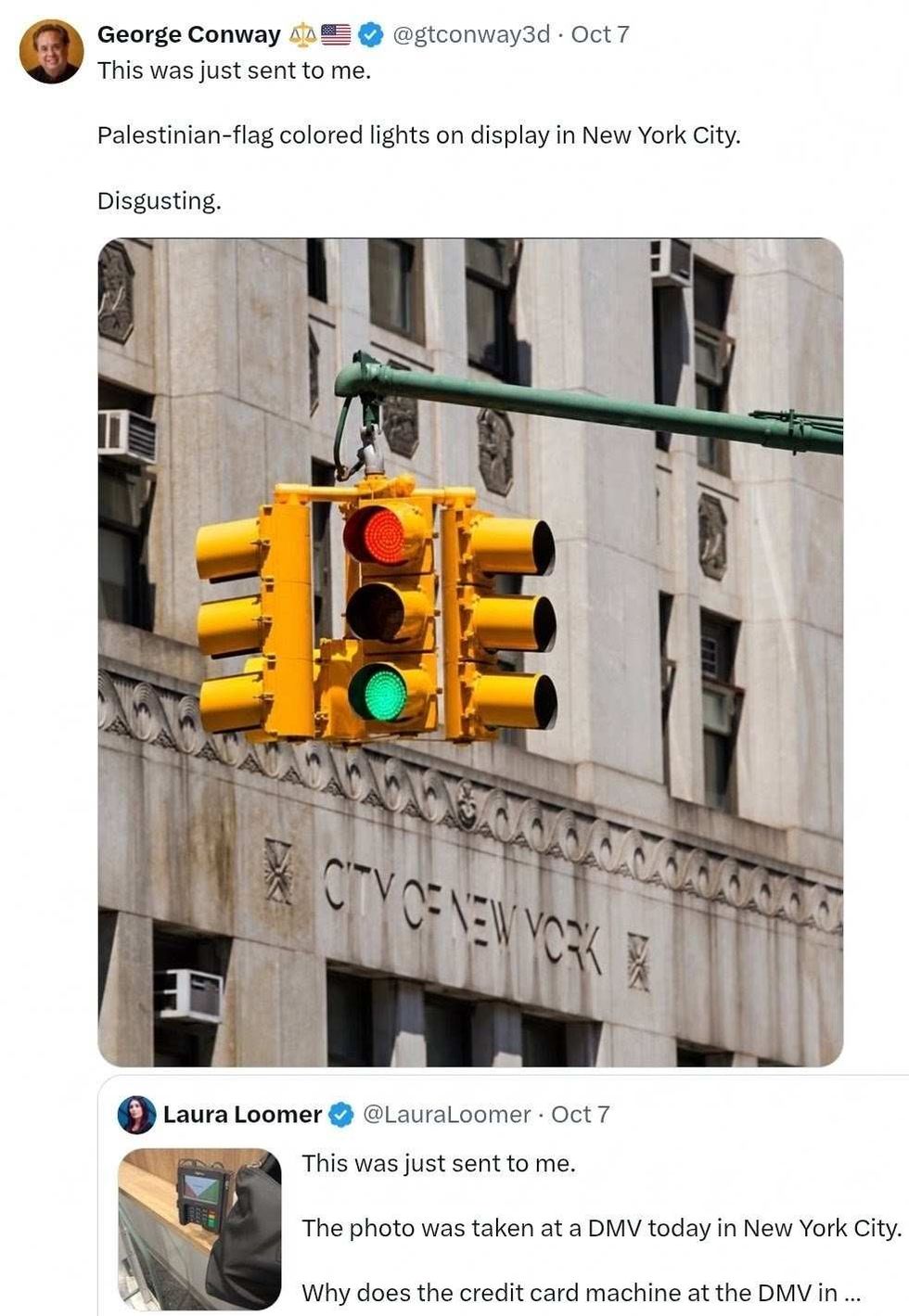 @gtconway3d/X
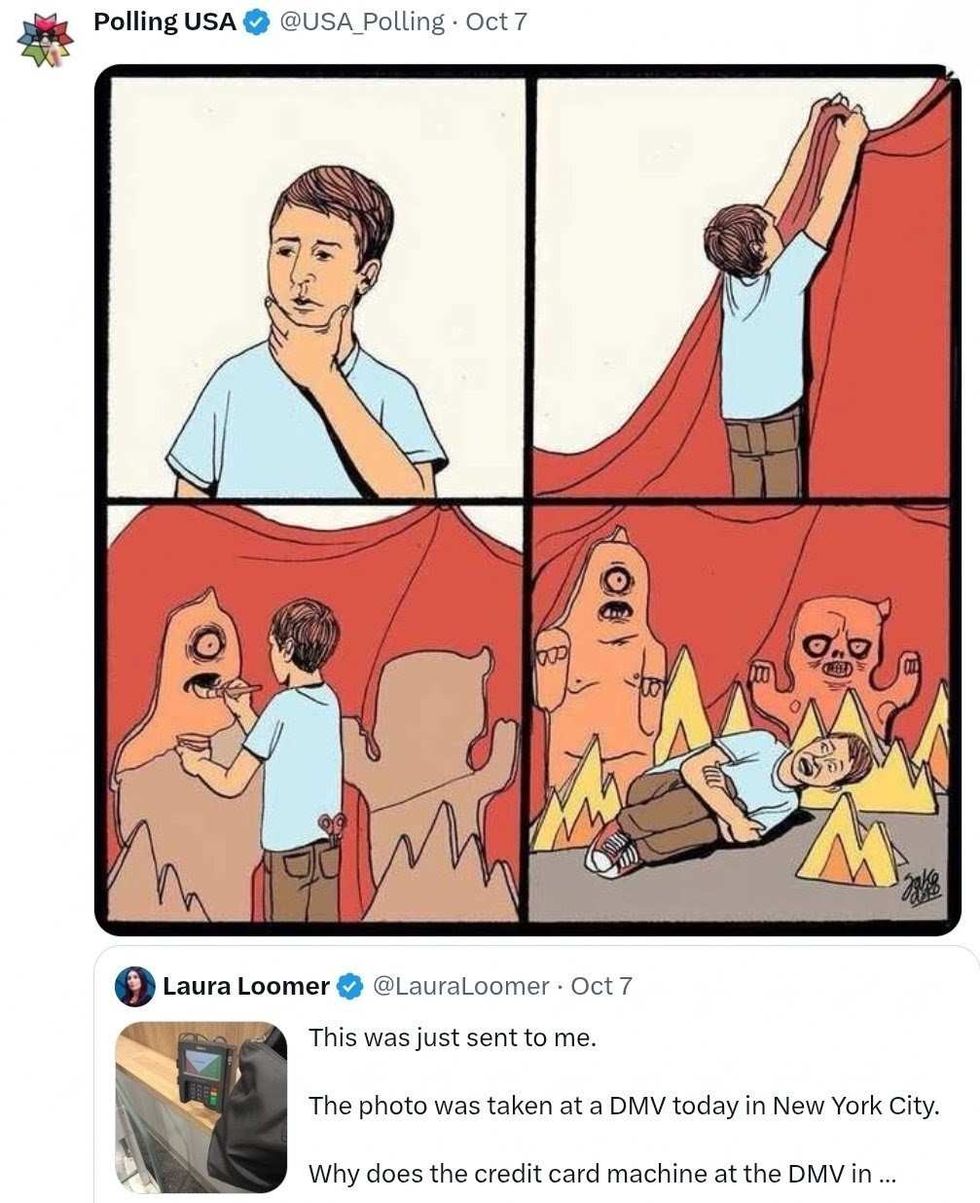 @USA_Polling/X
 @GenXGirl1994 reply to @LauraLoomer/X
 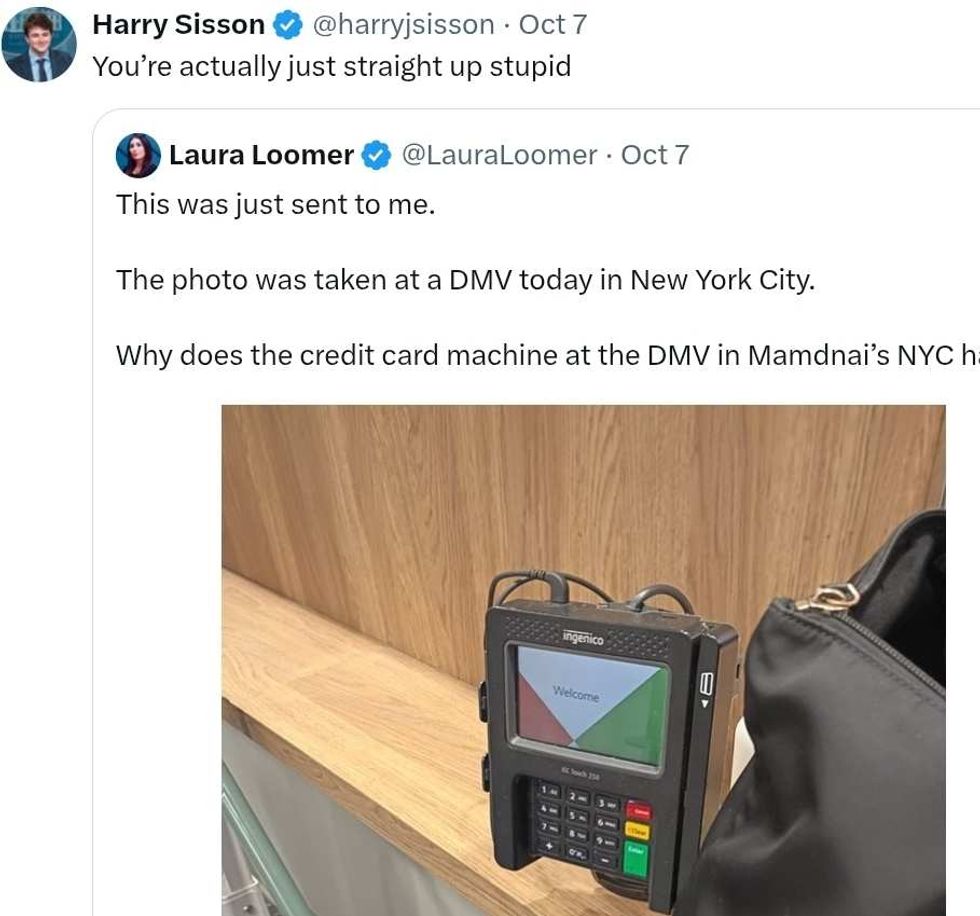 @harryjsisson/X
 @evankaloudis reply to @LauraLoomer/X
 @TrumpPedophile2 reply to @LauraLoomer/X
 @NadaKaupas reply to @LauraLoomer/X
 @TadhgHickey/X



 @dsteiger1/Threads