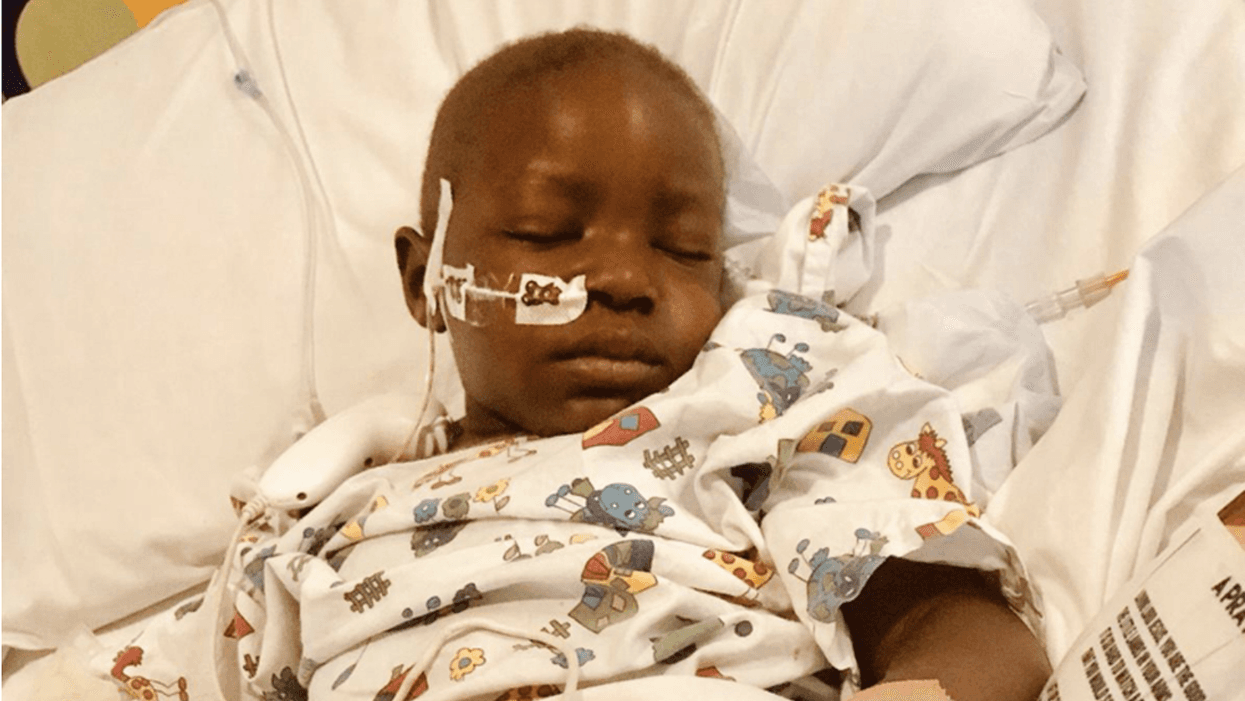

A desperate couple whose four-year-old son may spend the rest of his life in lockdown—after being given as little as four weeks to live—are asking kind-hearted strangers to help raise the £250,000 ($315,000) they need for 'last chance' immunotherapy to treat his cancer in Spain.
Battling stage four neuroblastoma, a rare childhood cancer diagnosed in December 2018, doctors say little Mehlyk Jokene, of Whitton, south west London, England could have just a few weeks left, as the disease has spread throughout his body.
But his adoring parents, osteopath Dianne, 31, and rehabilitation specialist Elly, 36, have already raised £50,000 ($63,000) and insist that if they can fly their son to the Spanish city of Barcelona in the next two weeks, to be assessed for an immunotherapy trial, that he could still pull through.
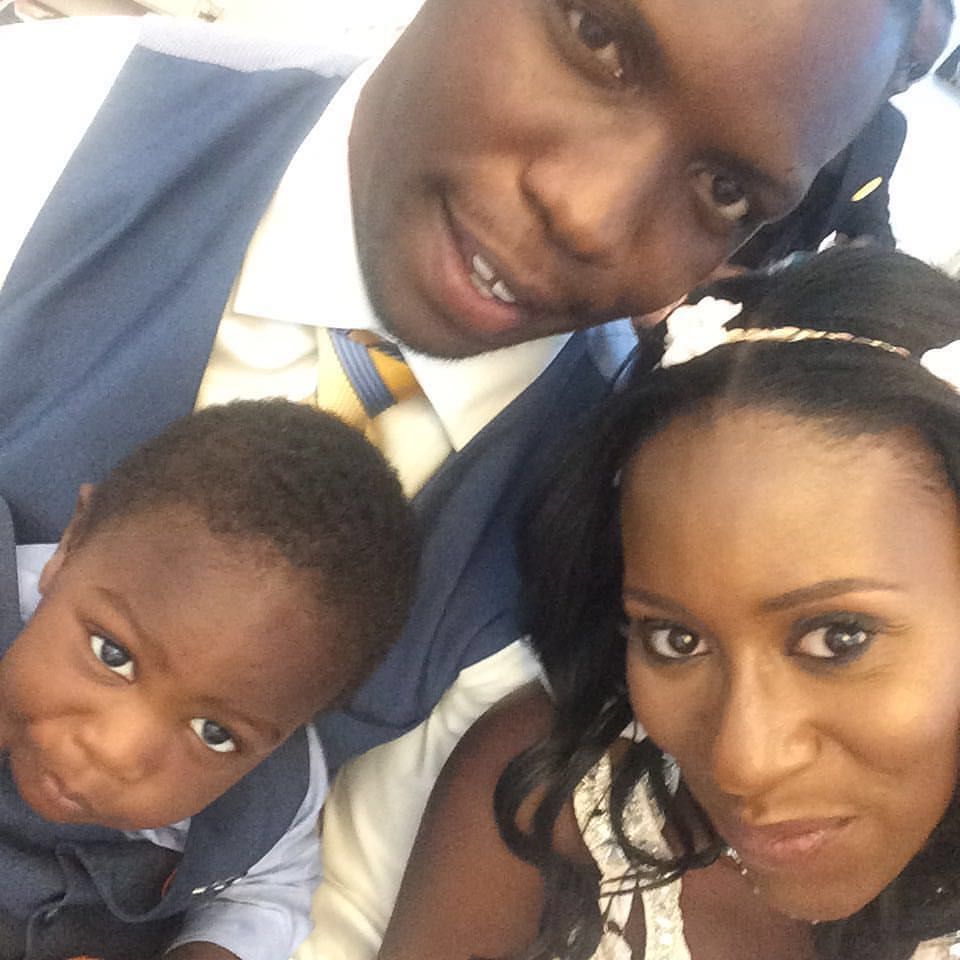
Dianne, who also has a daughter, Zakiya, two, and a baby boy, Caleb, four months, with Elly, said:
“A life without Mehlyk doesn't bear thinking about. Our hearts are broken."
“We've been told that without treatment he has four to eight weeks left to live."
“Although we were hopeful that the disease had stabilized, tests two weeks ago showed progression in his skull, chest, lungs and windpipe."
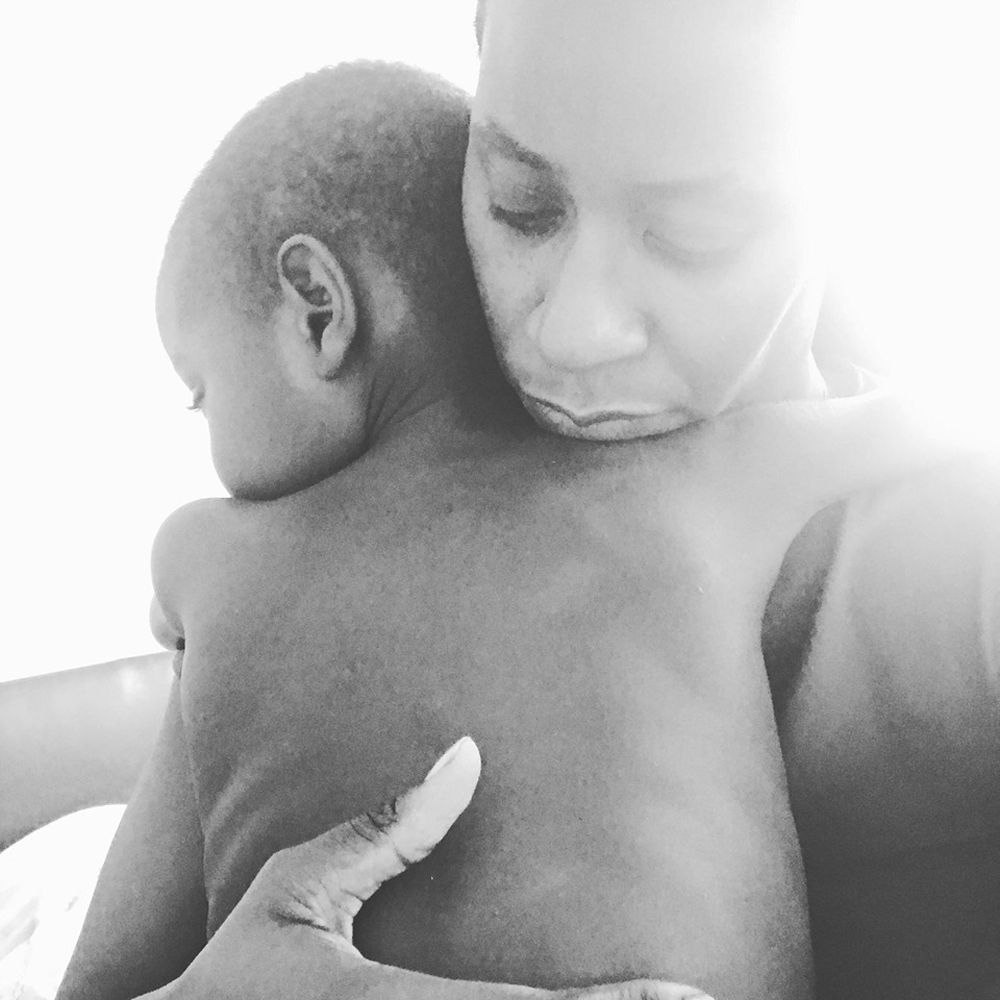
Dianne explained:
“If we can get to Barcelona, doctors will assess him and see if they can treat him with ICE chemotherapy and then immunotherapy, which is the best hope for him. It's his last chance."
“We've been isolating since the beginning of March, although we had been careful about going out before then because he is very vulnerable to infection."
“We're doing our best to keep Mehlyk's spirits up and keep him as happy as possible, but he is in pain as the disease is in his spine as well and, watching him just sitting there and not running around, causing havoc, is making me an emotional wreck."
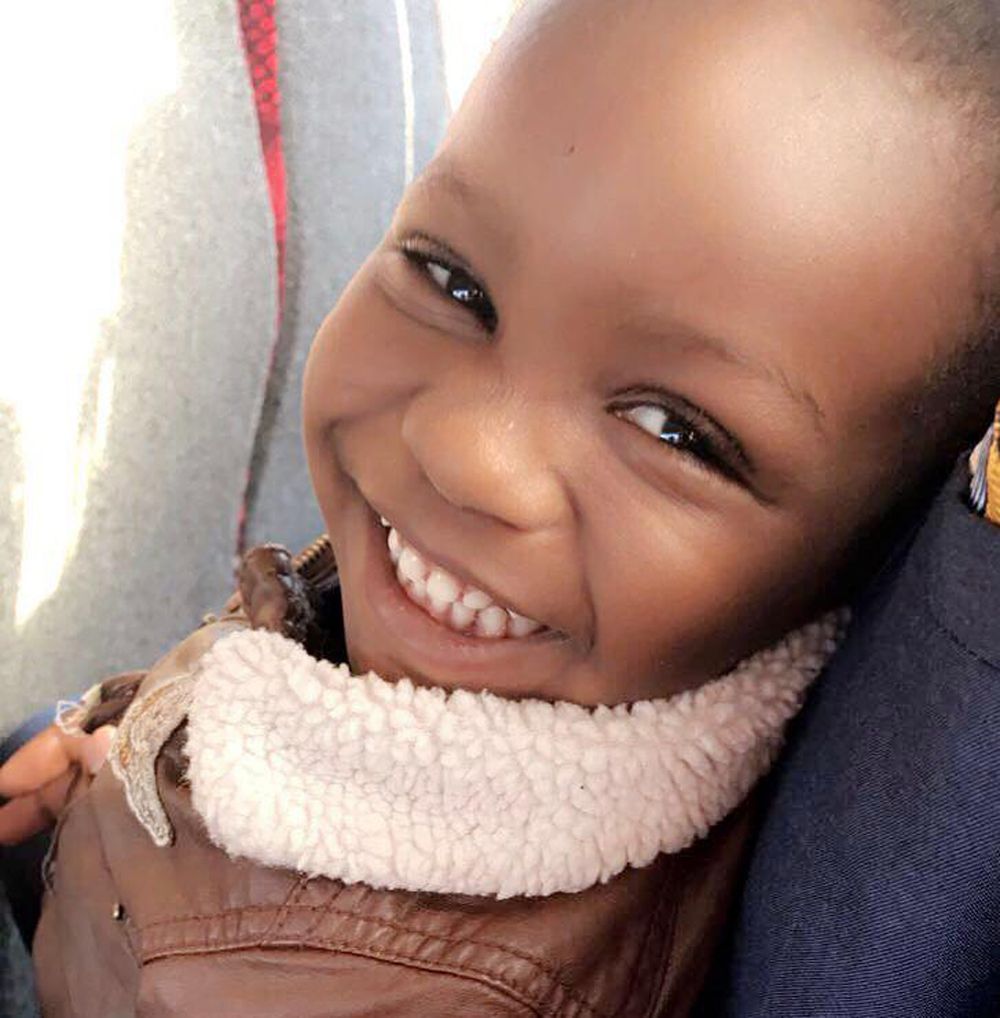
“Thinking of him spending his last few weeks in isolation, under lockdown, is just unbearable."
Mehlyk has already defied doctors' expectations, after being given six months to live when he was first diagnosed with stage four neuroblastoma in December 2018, when a tumor was found in his abdomen.
But, despite 13 grueling rounds of chemotherapy and one of radiotherapy, the cancer still spread to his legs, arms, chest, spine and pelvis—wrapping itself around his blood vessels and progressing even further in the last two months.
His parents first noticed something was wrong in December 2018, after Mehlyk started dragging his feet and lost his appetite, which they put down to a virus.
His dad Elly said:
“Around a week later, he woke up 10 times worse. He wasn't eating and was still dragging his feet. He was finding it hard to go the toilet and seemed to be in pain."
“He just looked very poorly and I said to Dianne, 'I think this is serious'."
Rushing him to St. Mary's Hospital in Paddington, west London, on December 29, 2018, medics performed blood tests and an ultrasound and an MRI scan, finding a large tumor in his hormone-producing adrenal gland, above his kidneys.
Immediately transferred and admitted to London's Great Ormond Street Hospital (GOSH), he was diagnosed with stage four neuroblastoma—a rare childhood cancer of unknown cause which, according to the NHS, affects around 100 UK children each year and normally occurs in one of the adrenal glands above both kidneys, or in the nerve tissue.
“Hearing that was horrible. I wouldn't wish it on anyone. Our world turned upside down. Everything stopped. Everything had to stop and our focus became him and getting him better."
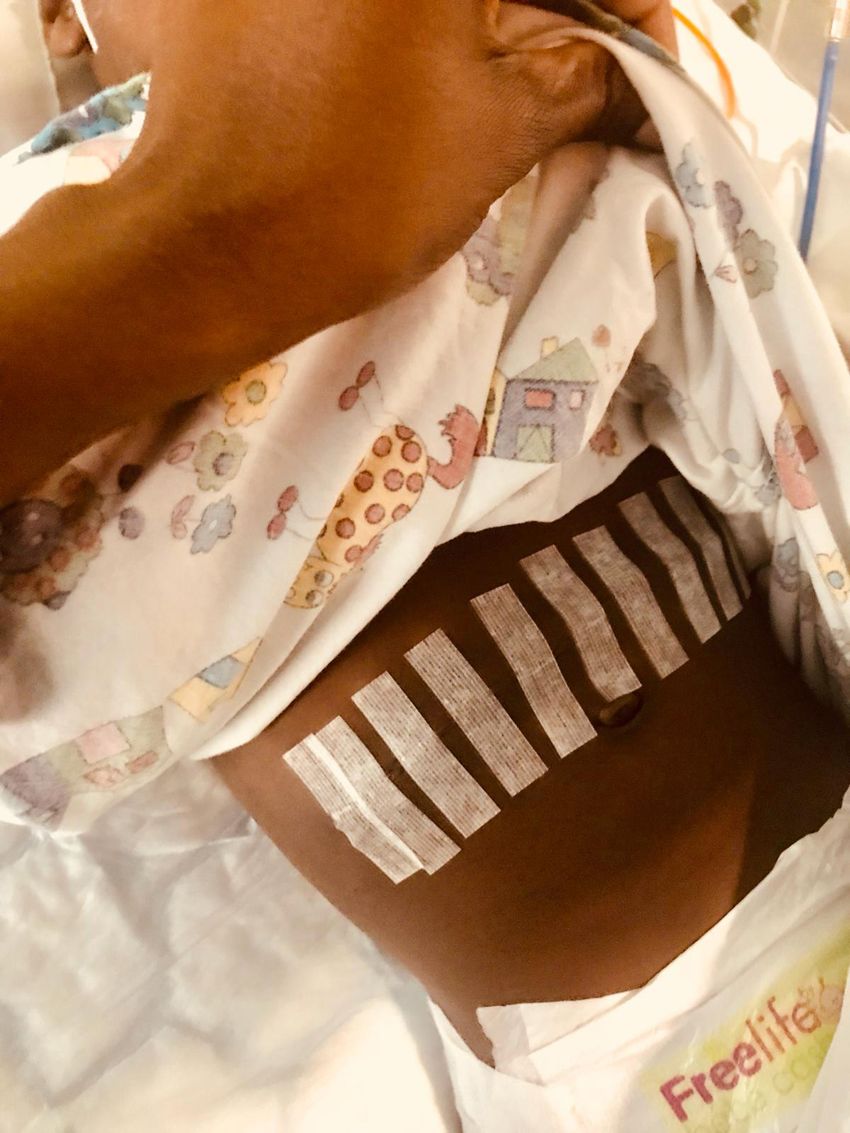
“The tumor was behind both his kidneys and it had started to wrap around his blood vessels."
“Within 48 hours, he was having chemotherapy. He didn't really understand what was going on, but after a number of biopsies examining the tissue more closely, he started to realize that doctors in scrubs meant sending him to sleep and he would start crying."
“He was only three then and struggled to tell us what was wrong, or where he was hurting."
Elly continued:
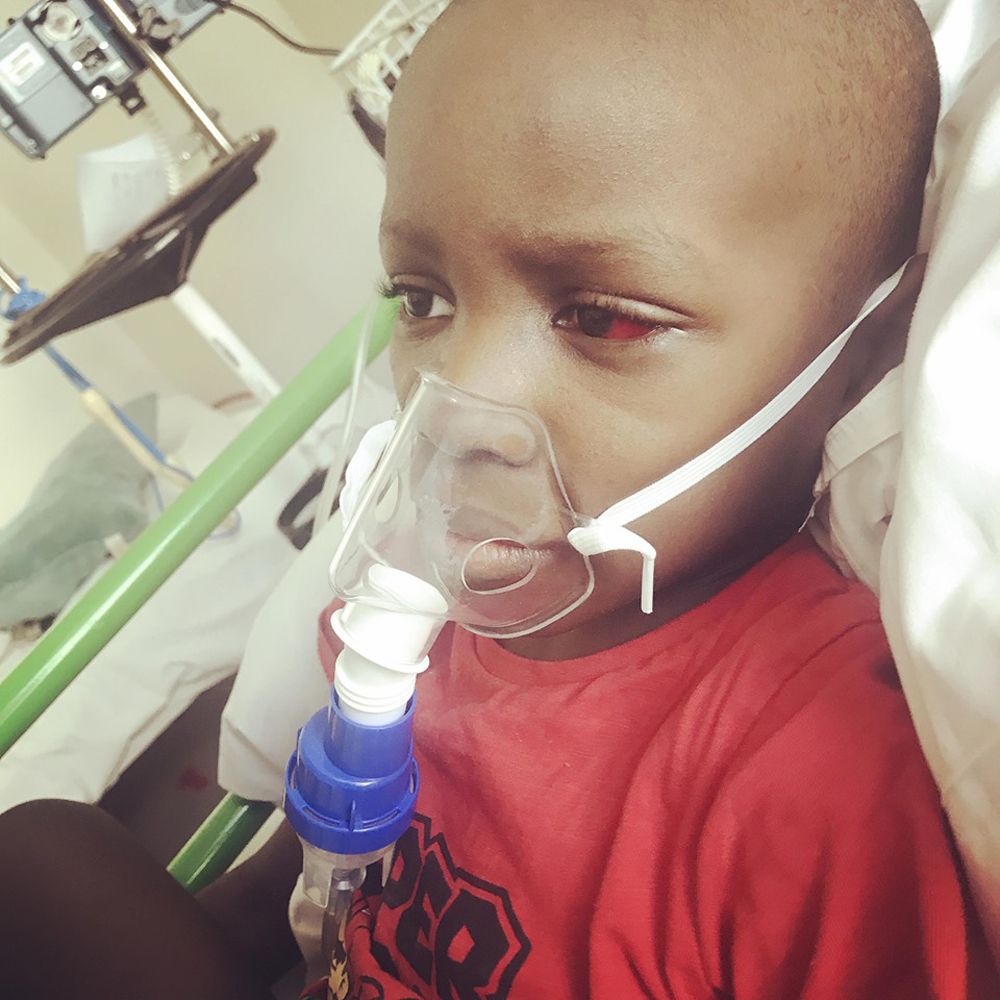
“From around our fourth or fifth meeting with the doctors, they said most children will not make it past five years, but in Mehlyk's case the prognosis was six months. Obviously, we were completely shattered."
Given a three-month course of induction chemotherapy as an inpatient at GOSH, followed by surgery in April 2019 to remove the tumor, tragically, only five per cent could be taken away, as it had wrapped itself around his blood vessels and calcified, or hardened.
Following a three week break, so his body could recover, Mehlyk was put on a higher dose of chemo for six weeks, which knocked him for six, according to his dad.
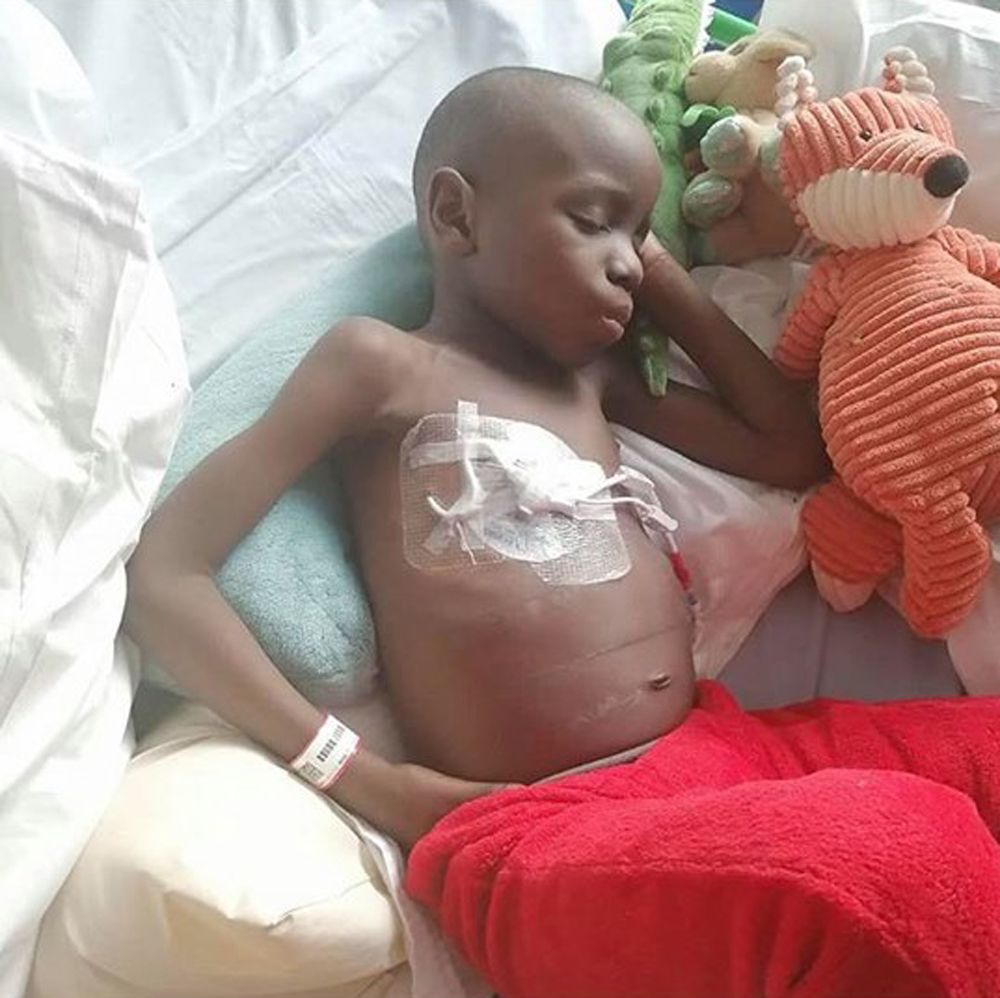
“It's a horrible treatment. It gave him ulcers in his mouth and around his bottom."
“All of that was taking its toll on such a small body. There were four other children going through the same type of chemo at the same time and three of them died. It was unimaginable."
“Mehlyk did begin to improve. He had more energy and tests showed that the spread seemed to have reduced."
In August, medics started a six-week round of radiotherapy— aimed at blasting the original tumor—but, by the time the treatment finished, it had started to grow again.
Then, in October 2019, Elly was bathing Mehlyk, when he noticed a bump on his collarbone and an MRI scan revealed, to the family's horror, that the cancer had now spread to the little boy's neck, chest, femur, pelvis, spine and jaw.
“Seeing the scan was like looking at aerial footage of bomb sites."
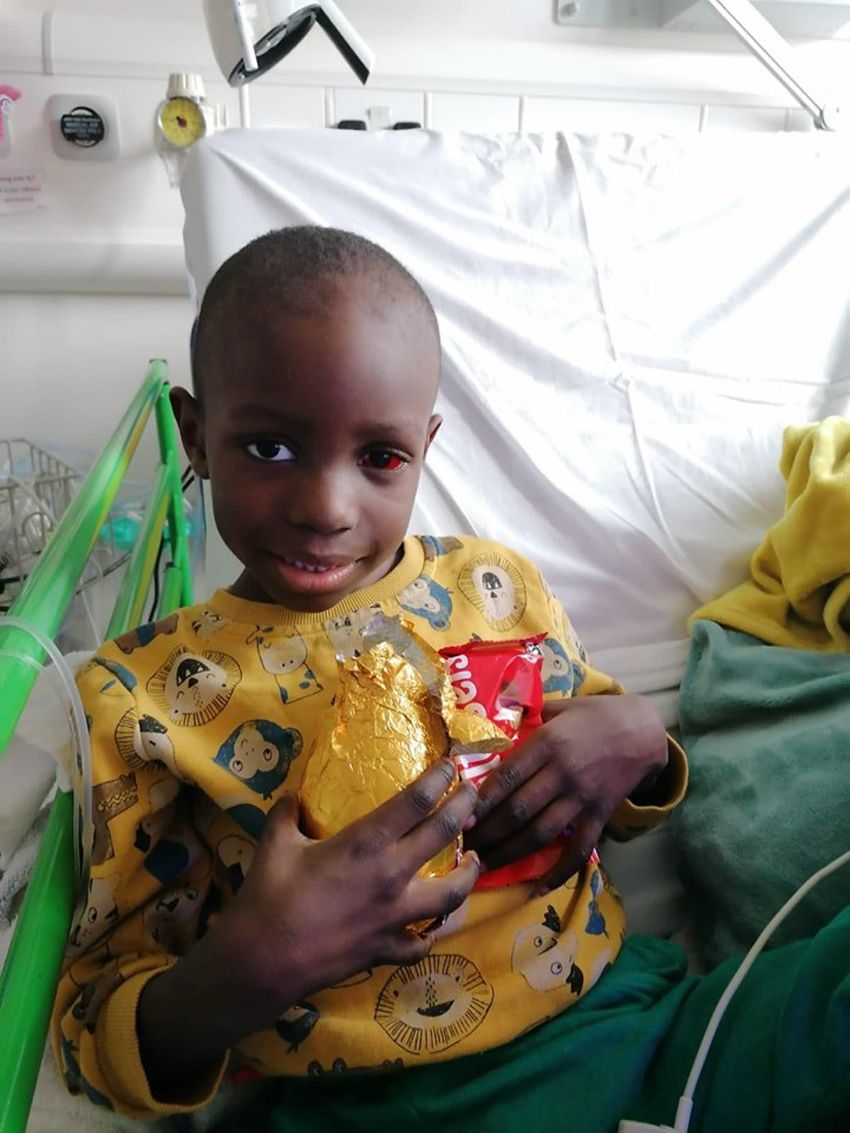
“There were these patches of bomb blasts around his abdomen, his arms and legs. Everywhere."
“It was in his bloodstream and lymph nodes."
Mehlyk started a further round of chemotherapy, his ninth, aimed at prolonging his life.
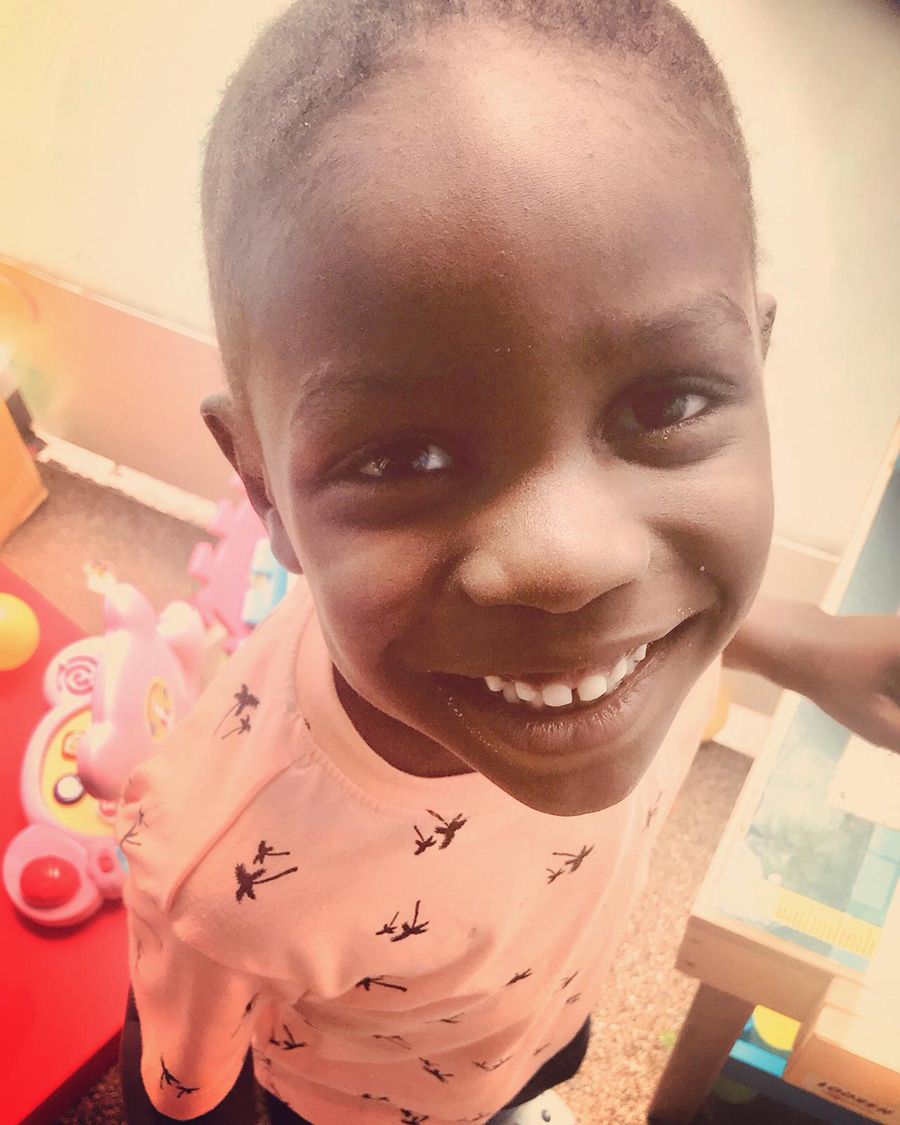
Since then he's had a further four rounds of chemotherapy.
But tragically, two weeks ago, tests showed that the cancer had progressed further in his skull, lungs and windpipe.
His mother said any further NHS treatment would merely extend his life by weeks.
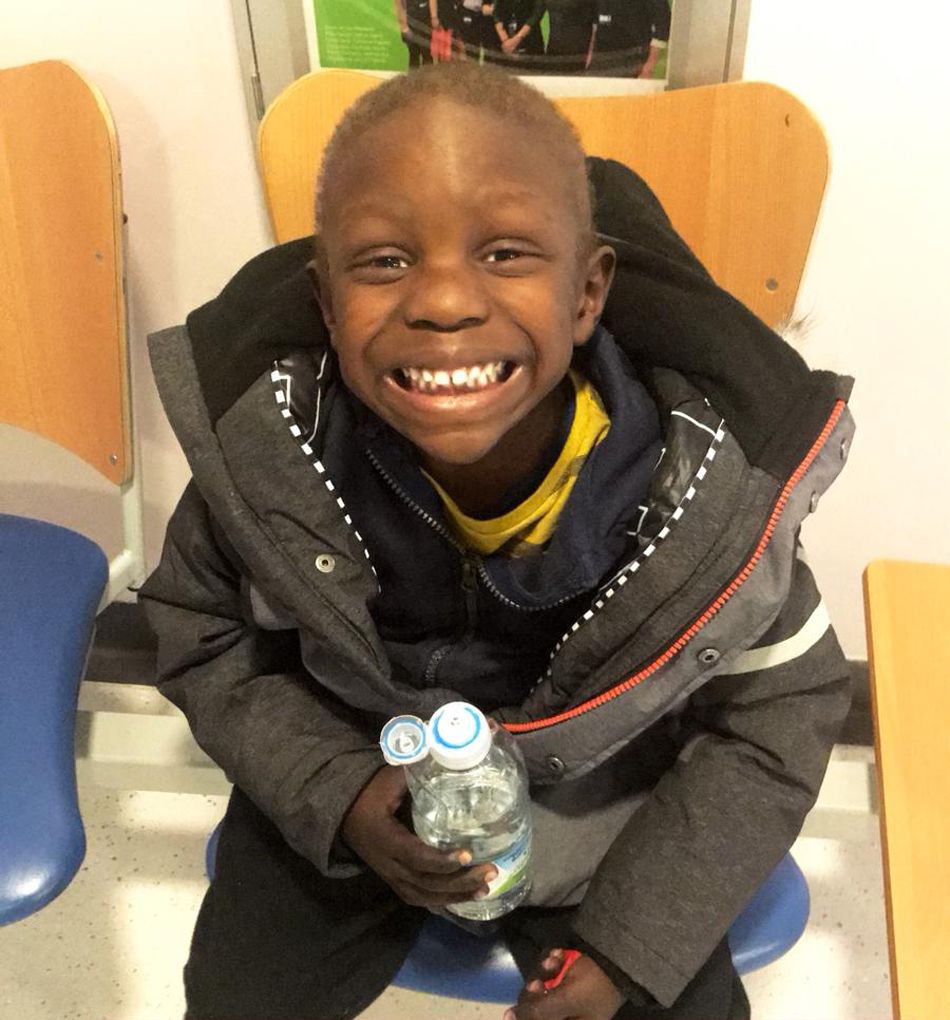
With Mehlyk now home and isolating because of the pandemic, the family say his only hope comes if they can fly him from London's Heathrow Airport to Spain either this week or next, to be assessed at the SJD Barcelona Children's Hospital—one of the few European centers offering anti-GD2 immunotherapy treatment.
If eligible, Mehlyk will have ICE chemotherapy, an aggressive chemotherapy regime to reduce or at least stabilize the disease, followed by the immunotherapy, which involves antibody treatment, aimed at destroying the neuroblastoma cells that survived chemotherapy.
Dianne explained:
“We have raised £50,000 ($63,000), but the chemotherapy alone will cost £160,000 ($201,600), before they can even start him on the antibody treatment."
She continued:
“People are allowed to fly for medical purposes, so we are hoping to go this week—or, at least, as soon as possible."
“A parent should not have to bury their child. We've heard stories about families who've been unable to have proper funerals because of [the pandemic]. I'm trying not to think about it, though. Instead, all our hopes are pinned on getting Mehlyk to Barcelona."
“I've only just had a baby boy. I don't want to be saying hello to one son and goodbye to another."
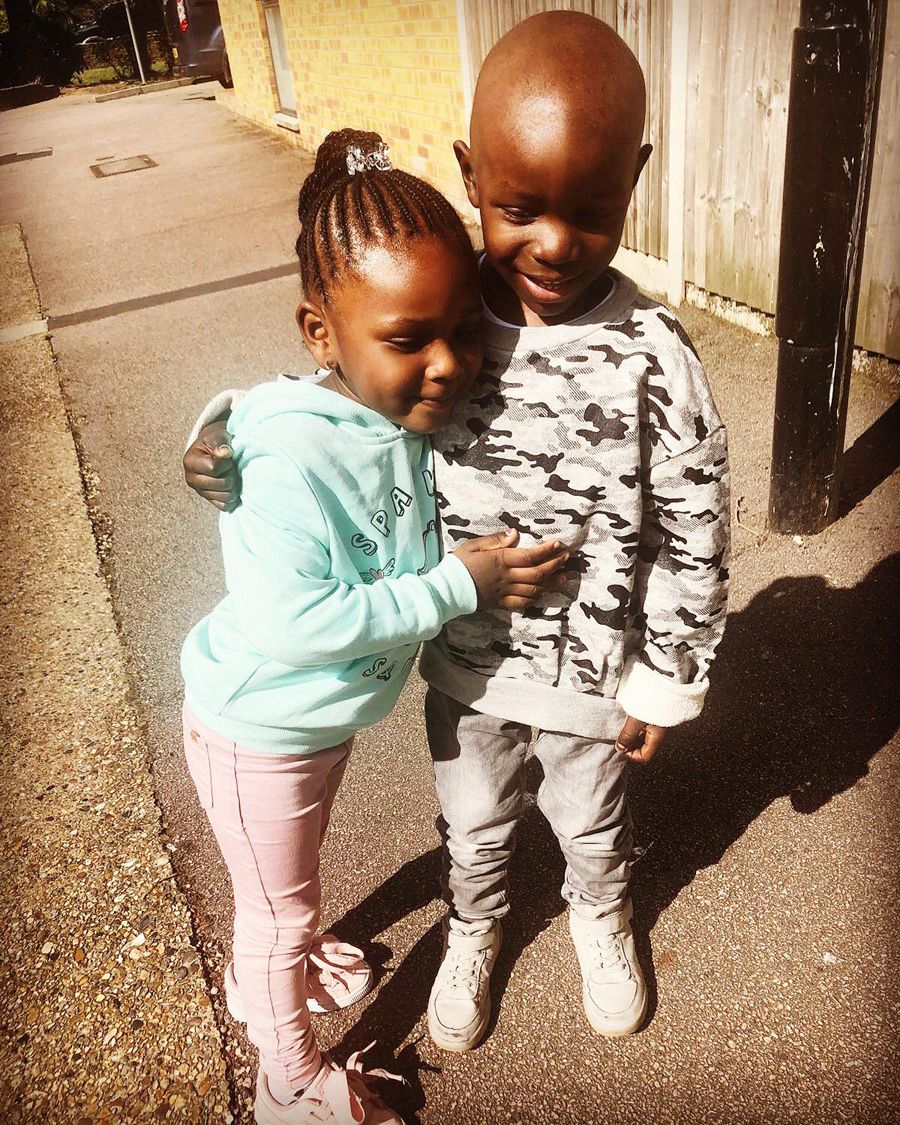
Dianne added:
“I want Mehlyk to be the best version of himself, to grow up as a great brother and a wonderful son. To have that taken away feels so cruel."
“We're trying to stay positive, spending time in the garden together and playing lots of games on the Nintendo."
“Staying at home is the least of our problems. I would happily stay at home knowing my son is happy and healthy."
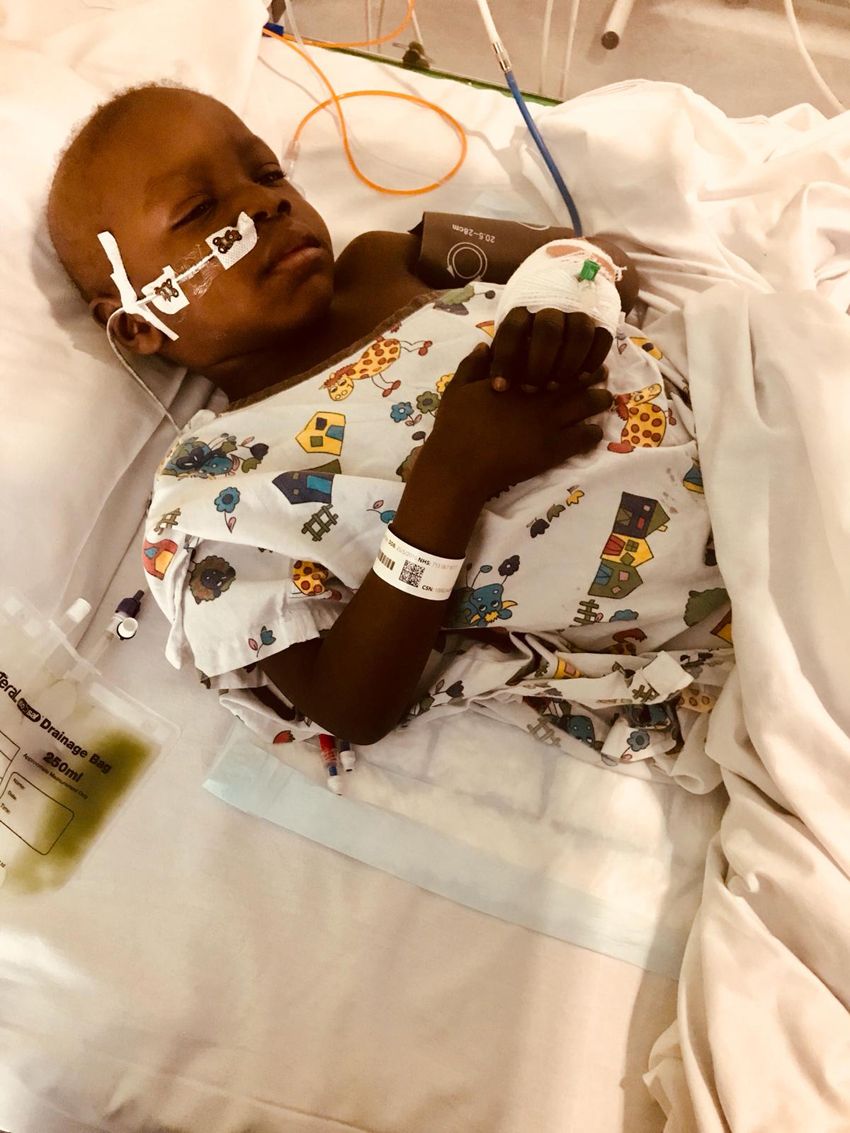
But all the couple really want is a chance to make Mehlyk, who turns five on May 25, well.
Elly added:
“No parent wants to lose their child. Nobody brings their child into the world for this to happen. No one wants to feel so powerless."
“We know Mehlyk is resilient, He's been to hell and back, but we have to keep our faith that something will work."
To donate visit www.justgiving.com/crowdfunding/mehlyksfight
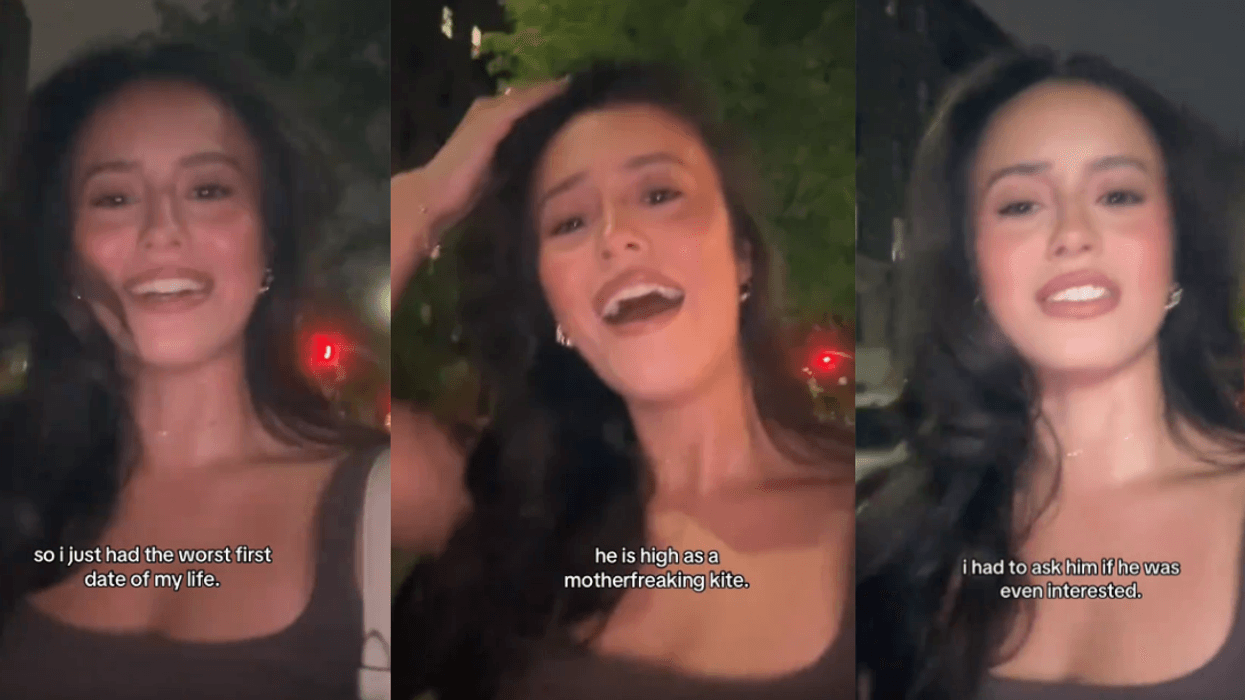
 @lolxdlolxdlolxd23455/TikTok
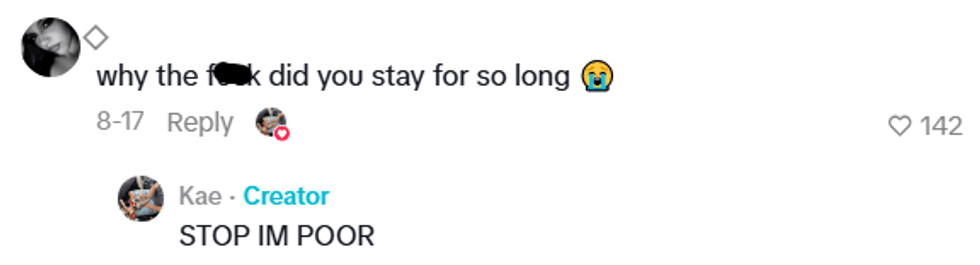 @lolxdlolxdlolxd23455/TikTok
 @lolxdlolxdlolxd23455/TikTok
 @lolxdlolxdlolxd23455/TikTok
 @lolxdlolxdlolxd23455/TikTok
 @lolxdlolxdlolxd23455/TikTok
 @lolxdlolxdlolxd23455/TikTok
 @lolxdlolxdlolxd23455/TikTok
 @lolxdlolxdlolxd23455/TikTok
 @lolxdlolxdlolxd23455/TikTok
 @iambradythecreator/Instagram
 CBC News
 @iambradythecreator reply to @mandifromtheinternet/Instagram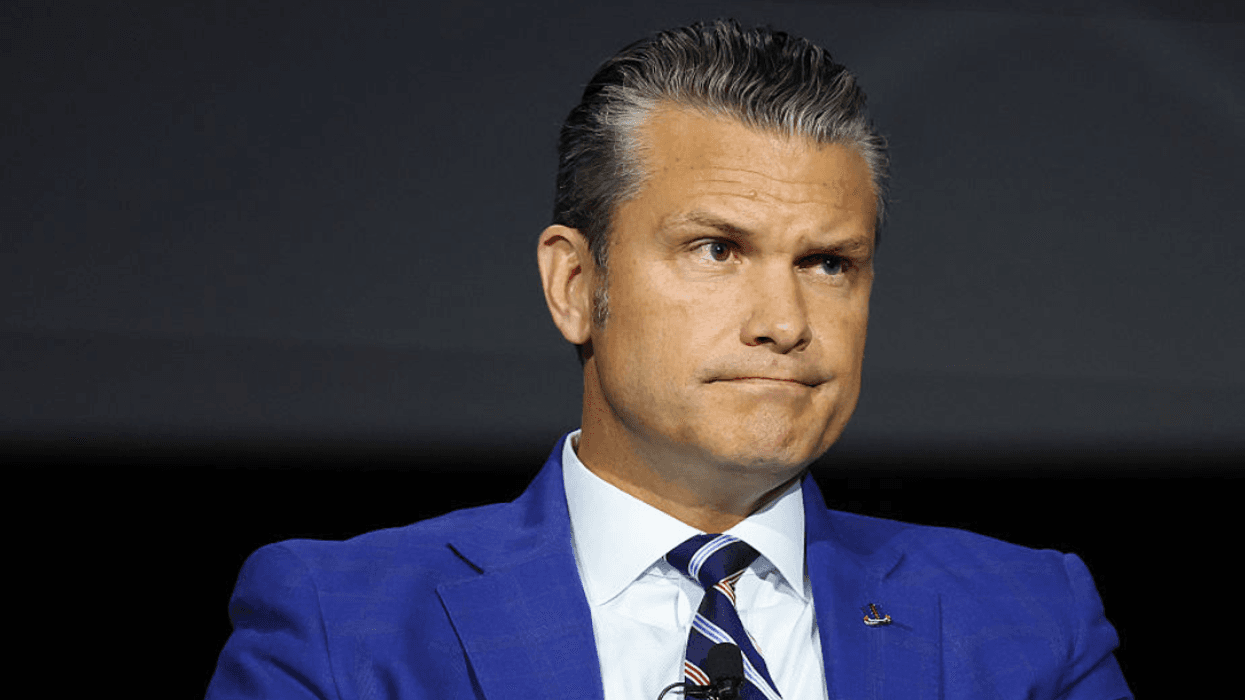
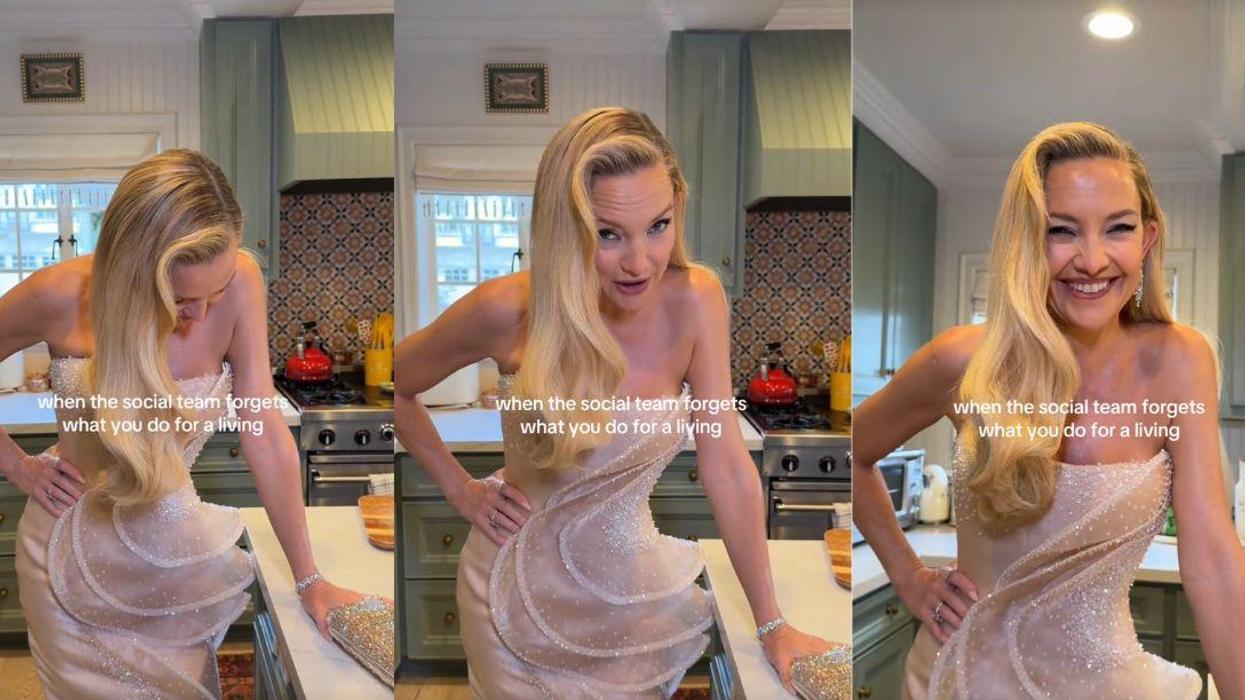
 mzshaysunshine/TikTok
 cerenjournals/TikTok
 Flick and Liv/TikTok
 isvbel.sb/TikTok
 Elisse Joy/TikTok