
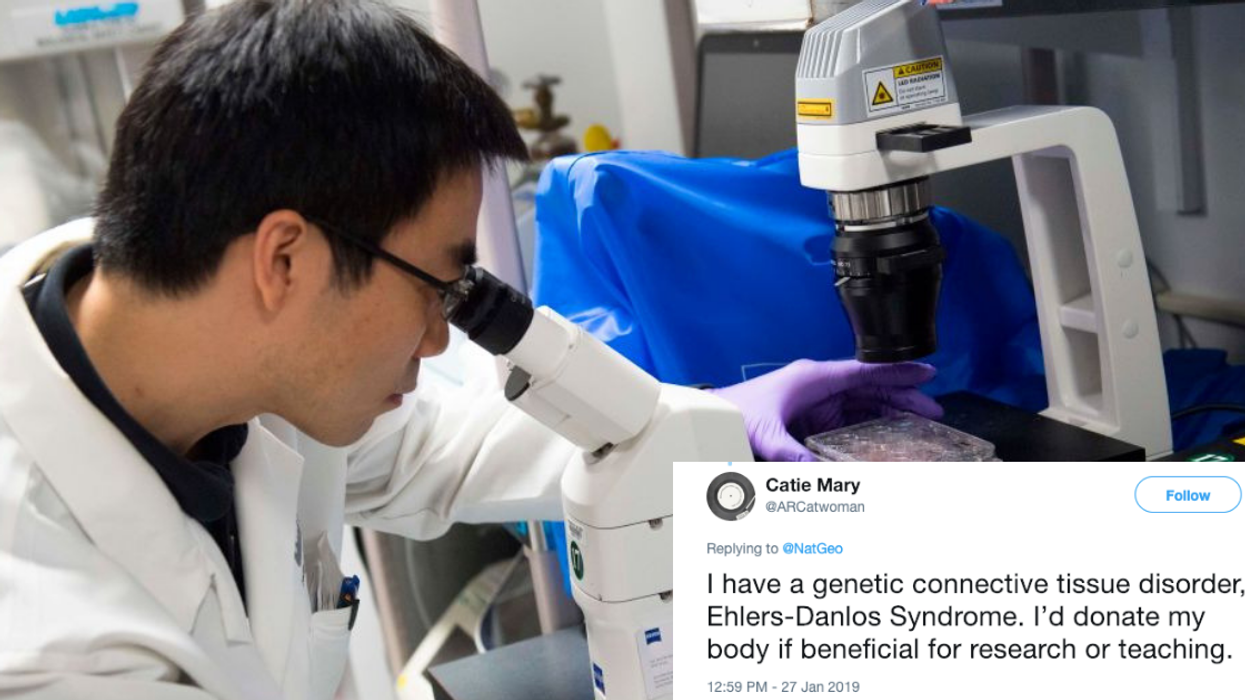

People donate their bodies to science for all sorts of reasons, but a general societal unease about death and dying (and what comes after, both literally and figuratively) has a tendency to put people off broaching the topic altogether.
Thankfully, we have National Geographic to shed some light on this very personal decision, and the responses are illuminating.
The National Geographic Twitter account posted the following article on January 27, asking social media users to share their "primary reason" for considering donating their bodies to science.
National Geographic notes, in response to those who've asked how they can actually donate their bodies to science:
"The United States does not have a centralized governing agency for whole-body donations, though the American Association of Anatomists has come up with a policy for how bodies should be handled when they're donated. For instance, the policy states that donations must follow all state and local laws, and "donation literature should describe all possible uses of donated bodies at that institution."
"Generally, these institutions do not charge for body donation, though the University of Alabama asks for $750 to cover the costs of transportation, preservation, maintenance, and ultimately cremation. For-profit tissue brokers also exist. It is legal to sell bodies and body parts in the U.S., and some people choose to use brokers because they market their services and will cover the costs of claiming and transporting the body. Of course, then they will go on to sell the body parts, and the system is not closely regulated.
"Certain physical conditions at the time of death can prevent acceptance to a whole-body donation program, including obesity, communicable diseases, jaundice, severe trauma to the body, and decomposition. Organ donations are handled differently from whole-body donations, and often times, an individual cannot be both an organ donor and a whole-body donor."
"To find out who you can contact to make a body donation in your state, check out this list maintained by the Anatomical Board of the State of Florida."
There's a hint of bureaucracy to many of the decisions we make, but donating our bodies can prove invaluable to not just well-established scientists, but also students gleaning lessons from actual human beings. The "whys" are fascinating.
Check out some of these responses. Sometimes the decision to donate your body is as simple as this...
...and this...
...and even this...
...but the other reasons are equally revealing.
Have you considered donating your body to science? Tell us why in the comments below!








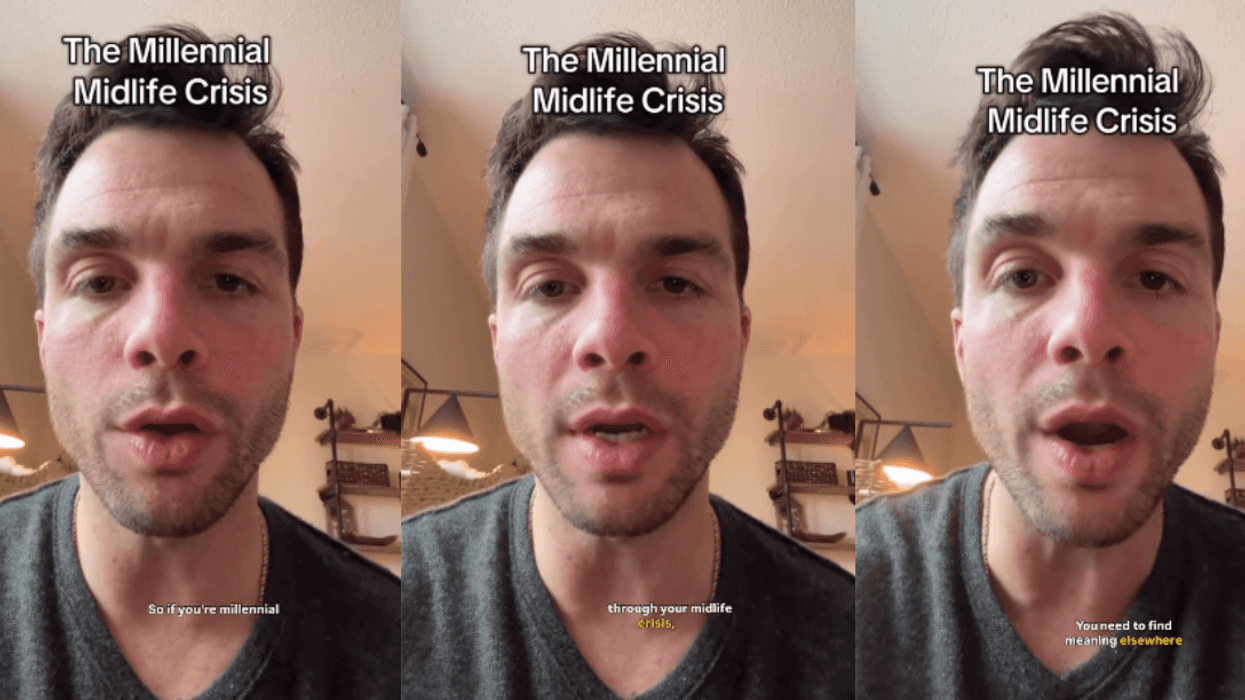
 @mikemancusi/Instagram
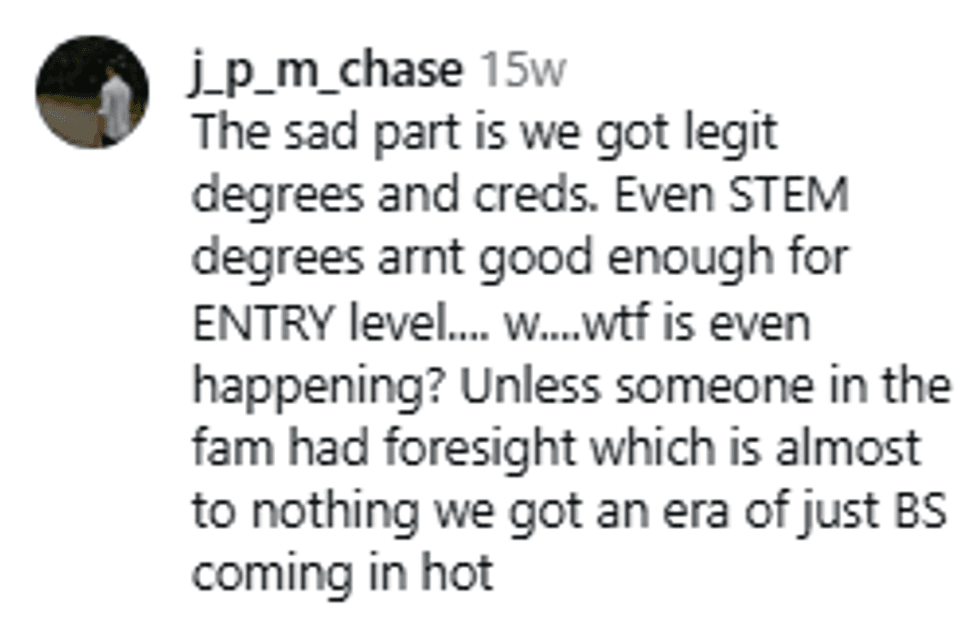 @mikemancusi/Instagram
 @mikemancusi/Instagram
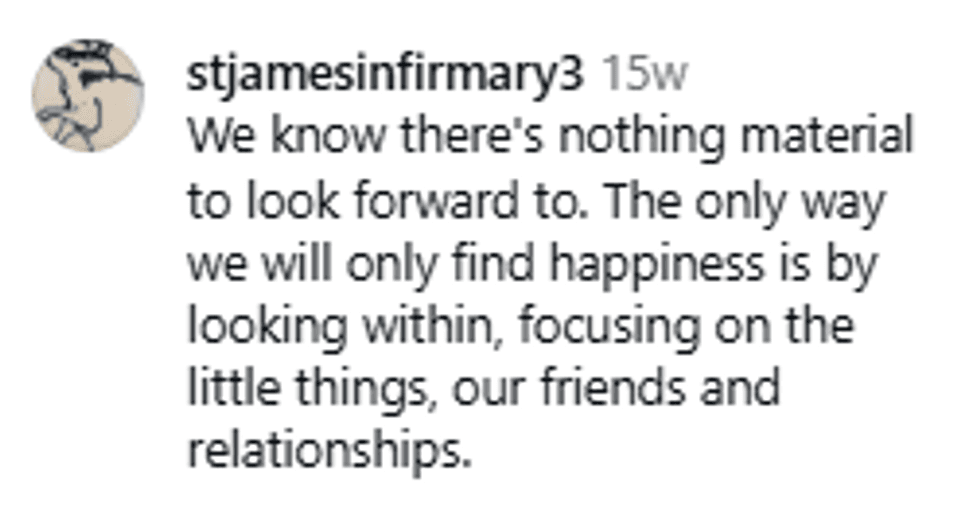 @mikemancusi/Instagram
 @mikemancusi/Instagram
 @mikemancusi/Instagram
 @mikemancusi/Instagram
 @mikemancusi/Instagram
 @mikemancusi/Instagram
 @mikemancusi/Instagram
 @mikemancusi/Instagram
 @mikemancusi/Instagram
 @mikemancusi/Instagram
 @mikemancusi/Instagram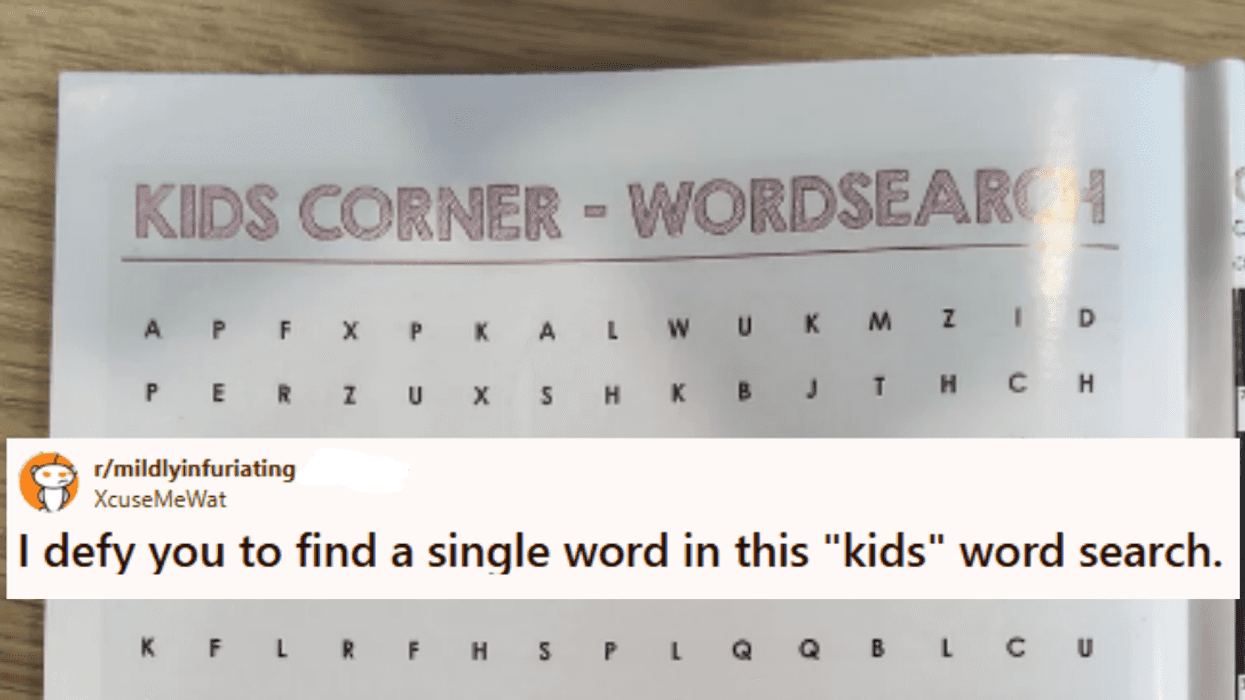
 u/XcuseMeWat/Reddit