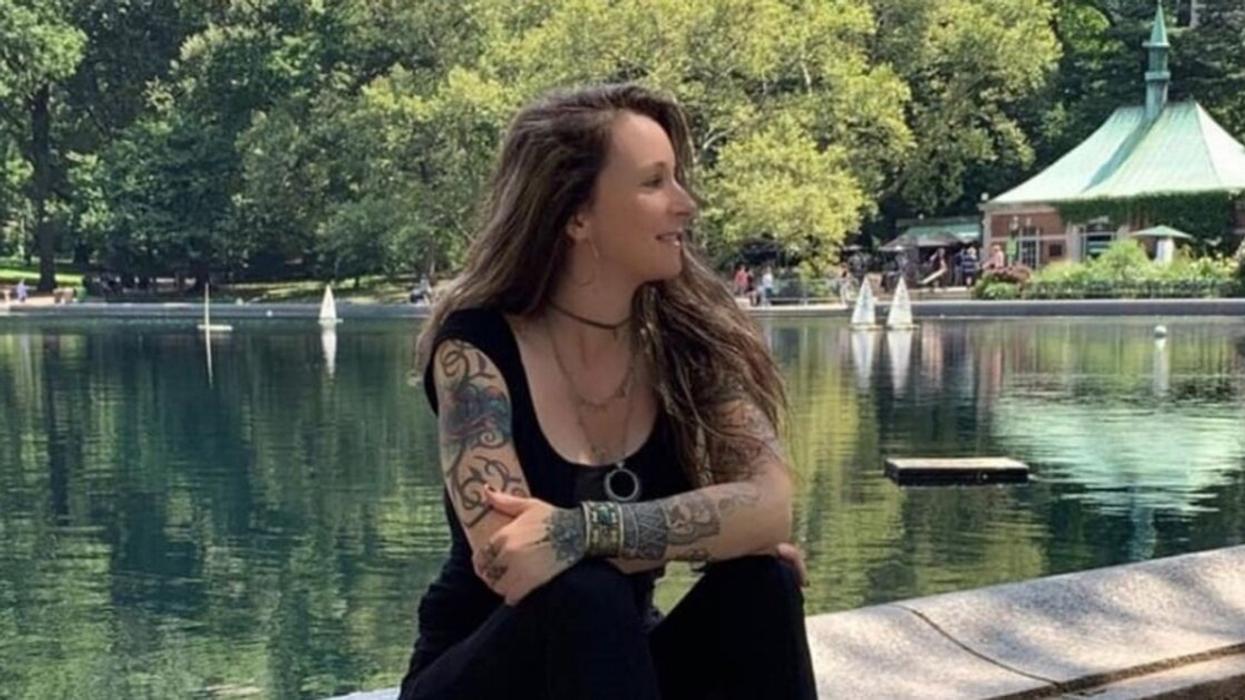

An unconventional mum whose children never go to school, choose what they eat and pick their own bedtimes swears by her bohemian parenting methods – insisting her brood are budding entrepreneurs who are caring and love learning.
Finding mainstream education “controlling" when she was young, author and speaker Dayna Martin, 46, now advocates “unschooling" – where children learn only what they want to.
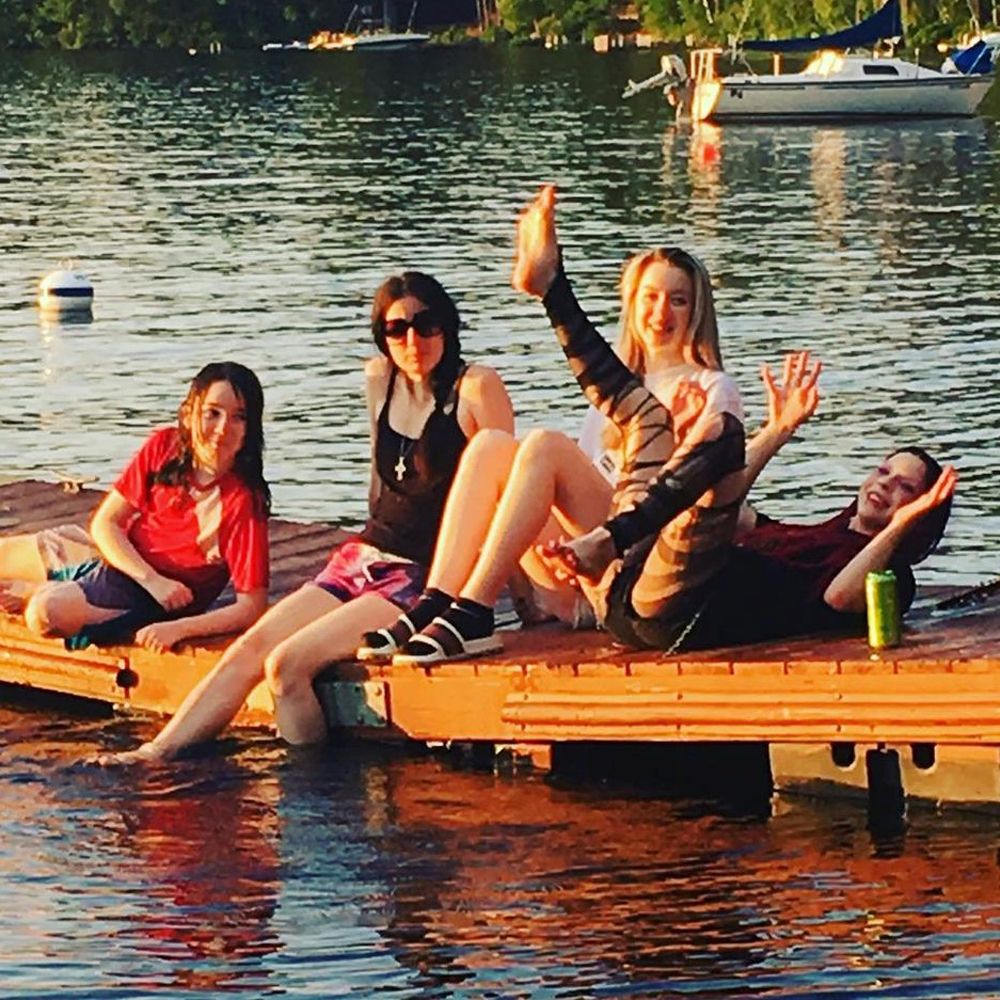
So, rather than toiling in a classroom like their peers, her offspring Devin, 20, Tiffany, 18, Ivy, 14 and Orion, 11, wake up whenever they like before deciding how to fill their days, selecting what they are interested in learning about.
They also pick what to eat – though all have chosen to be vegan – and how long to spend on the computer.
Dayna, of New Hampshire, USA, who does not believe in punishing her children, said:
“If they misbehave, I just ask them, 'What can I do to help?' It makes them think."
“My children have never been to school, and don't do any formal schoolwork or any exams – and that is completely their choice. They also don't have a set bedtime and there are no limits on their technology use or what food they eat."
She continued:
“People think my approach may be hands-off, or even neglectful. I've even been told my children won't do anything in life – but none of that is the case."
“My philosophy isn't anti-school – it's anti-force. So much parenting advice out there focuses on punishment, compliance and rules, but I want my children to be free to make their own decisions."
“Controlling them would lead to them developing warped relationships with the things I'm trying to restrict – and then it just becomes a self-fulfilling prophecy."
Dayna added:
“By working with other parents, I see the most proof of this in computer use and food. Control causes a child to want nothing but freedom, because they don't have the opportunity to self-regulate and find balance."
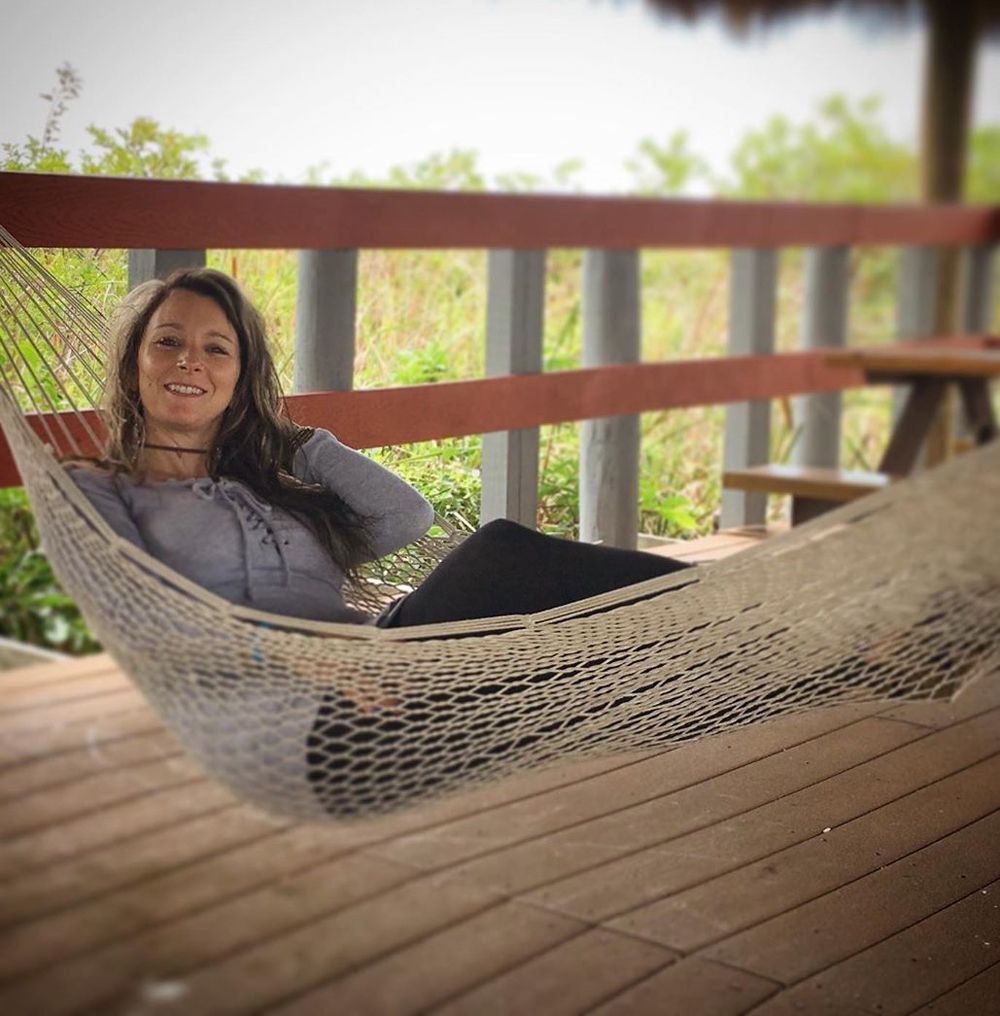
Rather than being neglectful, by handing over control to her children, Dayna – who is no longer with their father but is enjoying a new long-distance relationship with fellow child advocate Leif, who lives in the UK – said she is encouraging them to make decisions and think for themselves.
Unlike her children, she went to mainstream school as a youngster.
Although she worked hard and achieved good grades, she did not like the controlling rules and regulations, explaining:
“Things like raising my hand and having to ask permission to go to the bathroom made no sense to me."
“I felt as if teachers always assumed negative intent with my classmates and I, like we were bound to be up to no good."
As a result of her schooling, Dayna grew up feeling “very misunderstood."
And as soon as her first child, Devin, was born in April 1999, even though she did not know then that unschooling was an option, she said she began considering the benefits of finding an alternative way of educating him.
She recalled:
“I was in my hospital room, holding Devin, and watching TV. The Columbine High School shooting was happening that day, literally being played out live on the news."
“I remember thinking about how many families would have wanted to be together that day."
“In that moment, I decided to give my children a choice – to leave it up to them whether they'd like to go to mainstream school or not."
“It wasn't a fear-based decision – I'm not saying if they went to school, they'd have been caught up in a shooting. I just wanted to make sure they had that freedom of choice."
Settling into life as a mum, Dayna practiced attachment parenting – a child-centred method which places emphasis on physical closeness between mum and baby, through things like bed-sharing and breastfeeding, in order for the infant to feel safe.
“It wasn't a conscious decision to do attachment parenting, though. I was just doing what felt instinctive."
Then, when Devin was around seven months old, Dayna started to think about his education – researching the idea of homeschooling, which she quickly took to.
“Neither of us liked the idea of being forcibly separated, so homeschooling made sense."
Since then, all four of her children have been unschooled.
With no parent-imposed rules on their days, they take the lead on creating the structure that best suits them, waking when they want, before deciding what – and how – they would like to learn.
Dayna uses a mixture of textbooks and internet resources to assist them, but they also take a lot of inspiration from going out into the world and learning hands-on how things work.
She explained:
“It's all based around what they are interested in, and they have taught themselves so many skills."
She added:
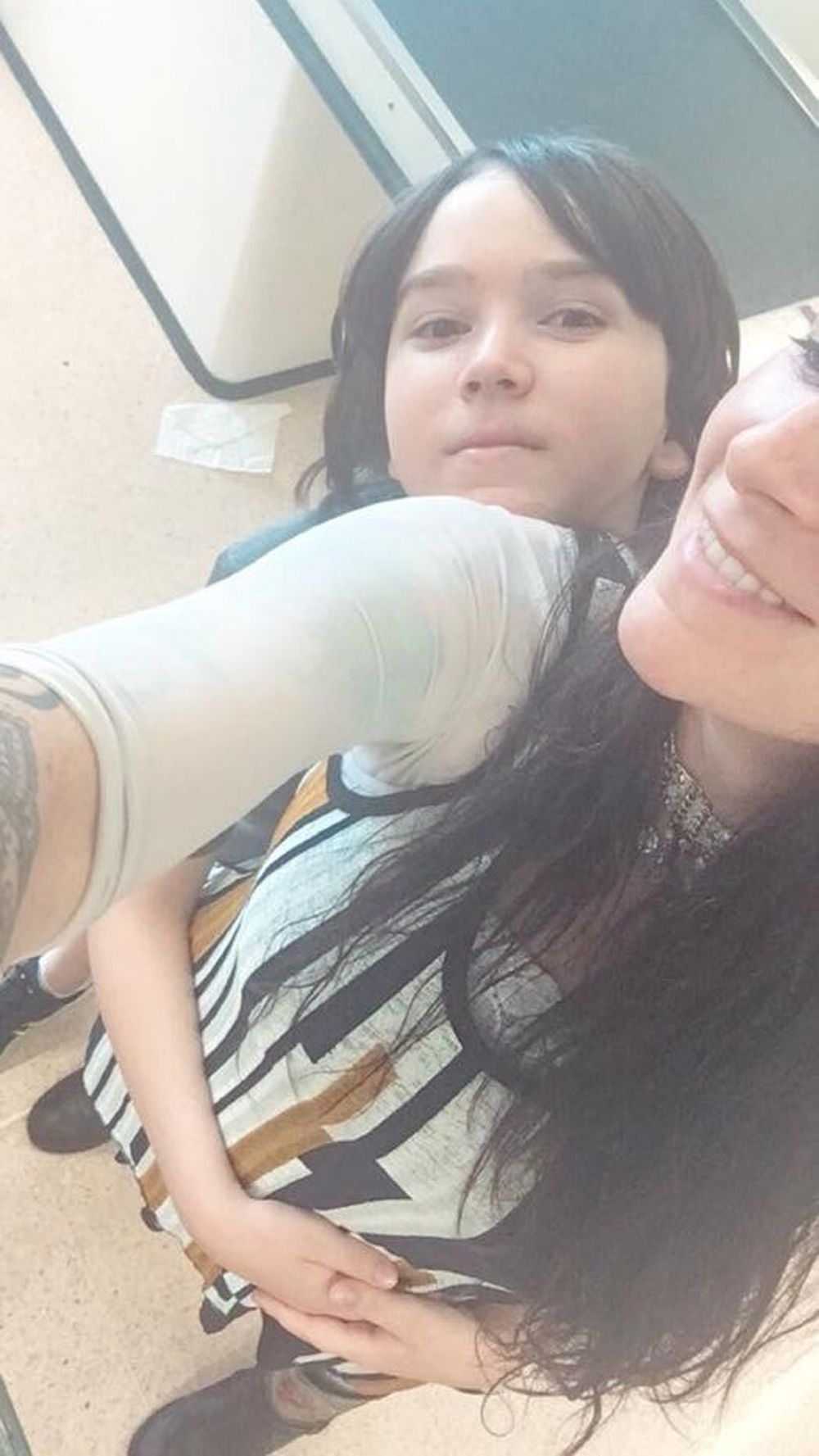
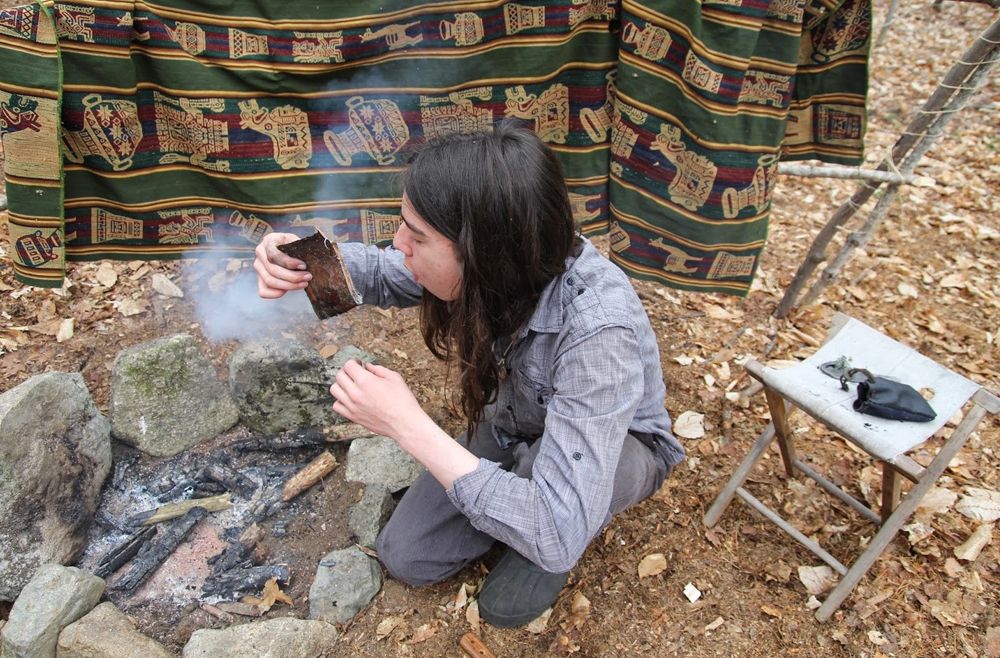
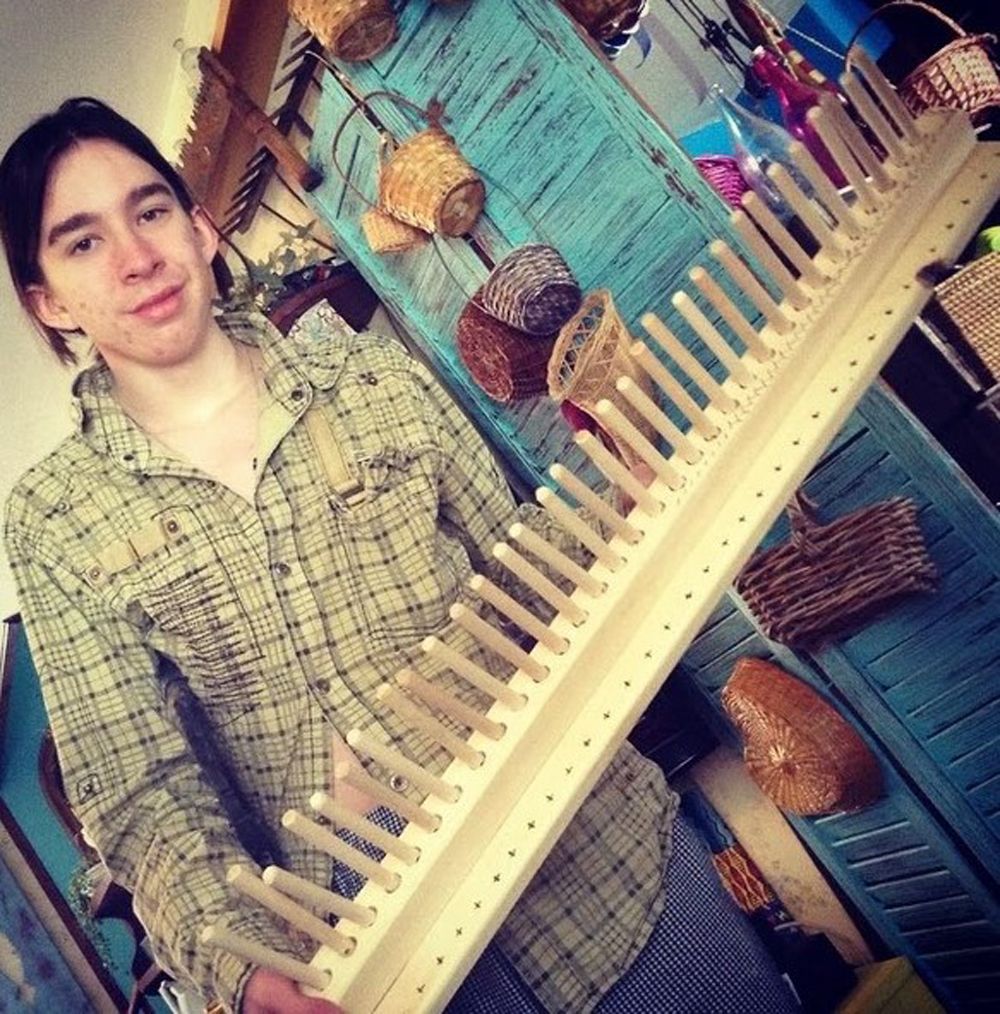
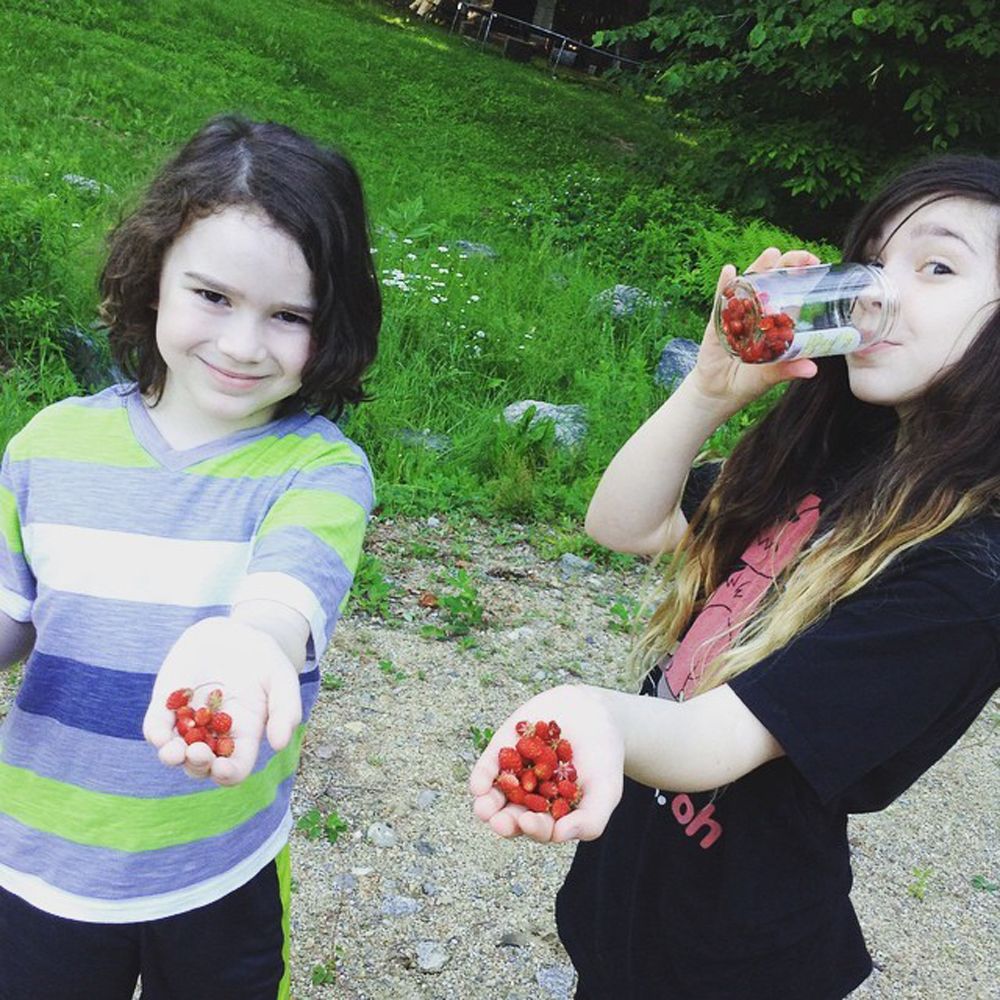
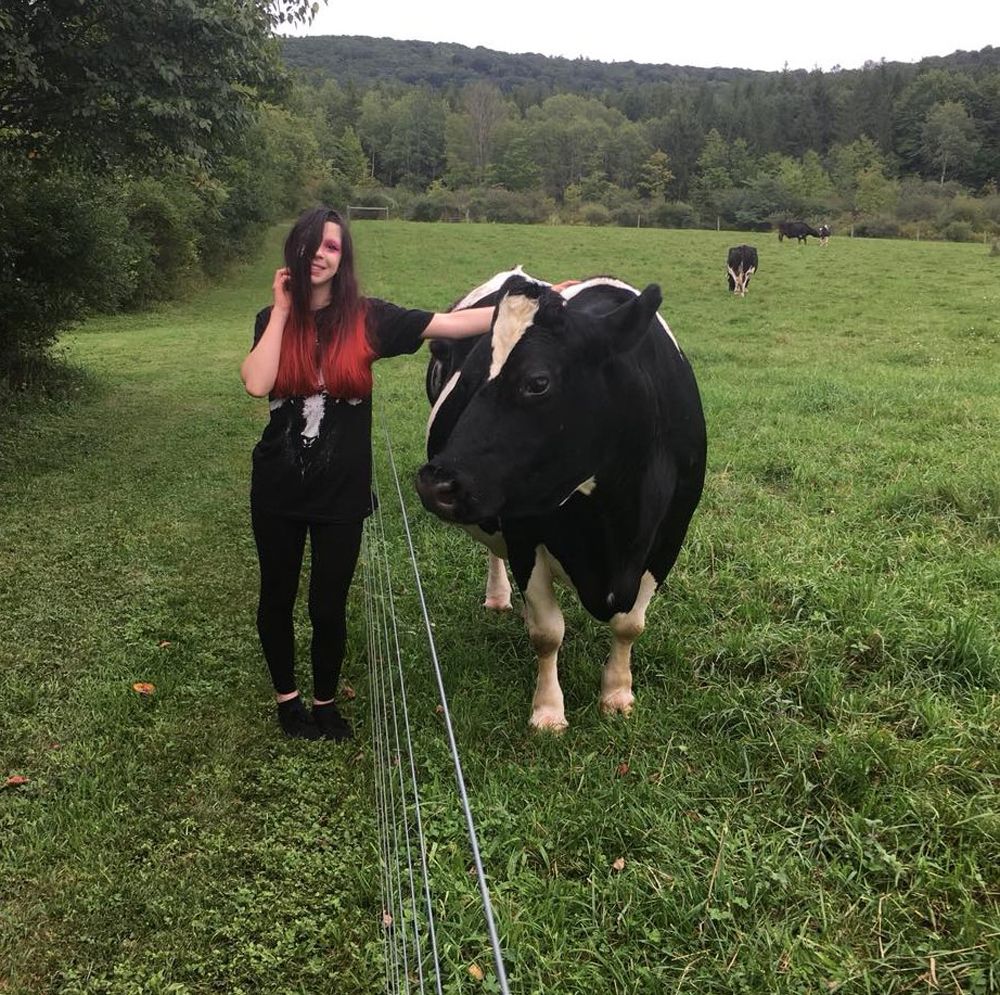
“Devin is a self-taught blacksmith. He really loves science, too, whereas Tiffany is very into music. Ivy runs a small animal rescue centre and is hugely into animal rights. Not going to school means she has the time to go and do things like that."
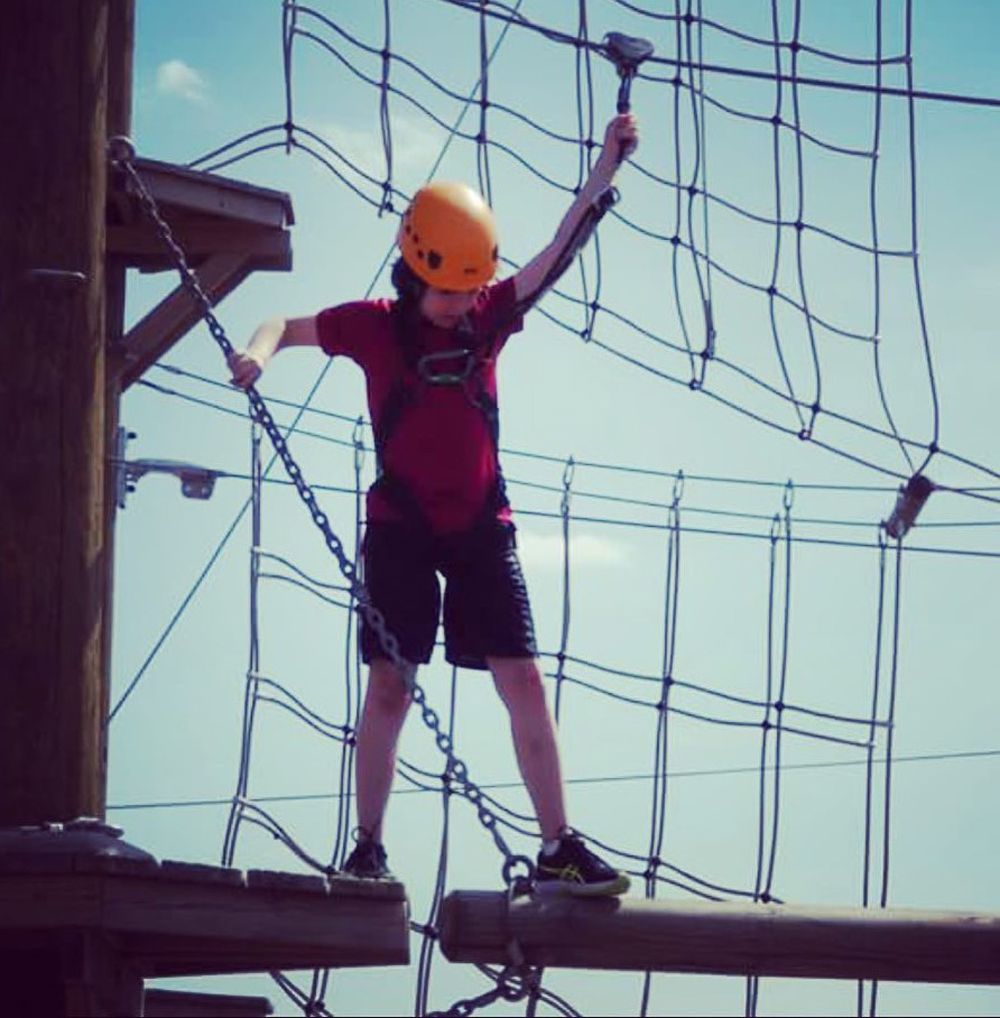
“Orion loves hiking, as well as computers and gaming. I see their interests as an extension of their learning. While school places much more emphasis on certain topics, I wouldn't want to tell them any of their hobbies aren't as important as others."
Even teaching the children basic skills, like reading and writing, has been unconventional in Dayna's house.
She continued:
“The way children learn to read and write naturally looks very different to when they do it in school. School is all about set targets, and having to be at a certain level by a set age – when actually, I believe there is a huge window when you can learn."
“Homeschooled children can learn to read anywhere from the age of three to 12."
“My kids learned by immersing themselves in the written word. I see their interests as the nucleus to their learning and get all the educational resources I can around that."
Dayna explained:
“For example, if they say they're interested in astronomy, I'll get books and other resources to encourage them.
“Humans want to learn – and basing it all around something they are actively interested in helps incentivize them."
With no structured lessons, Dayna's children are not required to complete assignments or sit formal exams.
In fact, the only time one of them has taken a proper test was when Devin elected to earn his high school diploma, which he did under the supervision of a local charter school – a publicly-funded school which runs independently of the mainstream education system.
Despite critics' warnings that their unschooling meant they would not amount to anything in life, he passed with flying colors.
“For lots of people who have been following my journey, that was the proof that unschooling works."
Devin scored above average in most of his tests. He's learned as much – if not more – being at home than pupils who have been forced to sit in a brick building for hours every day.
“I am compassionate to schools and understand that they need exams in order to rate teachers and so on, but they aren't a measure of a child's intelligence."
“I remember being at school, and I could know a subject really well – then the anxiety on the day of an exam would get in the way."
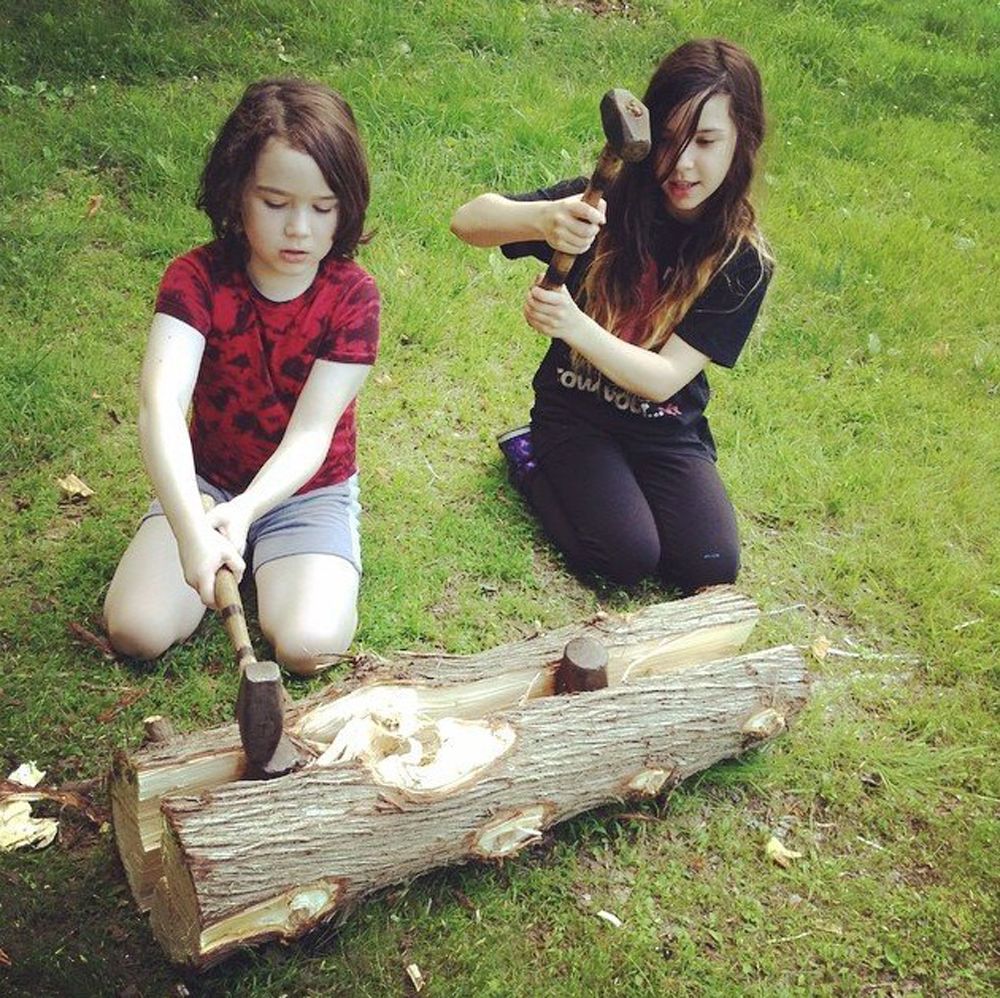
With her children's freedom of choice rippling our to virtually all areas of their life, including what and when they eat, when they wake up and when they go to bed, Dayna has been told by naysayers that they will grow up to be out of control.
However, she insists that making everything available to them gives them no reason to push back and rebel.
Devin is already working as a computer programmer and Tiffany has set up her own cleaning business, as well as making money as a model and YouTuber – proving any doubters of her methods wrong, according to Dayna.
“It is also very important to assume positive intent with children. Because mine live without punishment, they don't live in fear of me."
“Instead, they trust me and see me as a guiding resource. I give them all the information they need, for example, about healthy eating and why it isn't good to spend hours on the computer, and then trust them to make the right decision – which they do."
“It's no different to how we, as adults, could, in theory, sit there and eat an entire box of cookies right now. We have the freedom to but choose not to – because we have the information and know that wouldn't make us feel good."
If ever her children do make choices that she does not necessarily agree with, Dayna does not believe in so-called traditional forms of punishment.
Shouting, grounding and use of tools like the naughty step, she believes, are humiliating for the child and do not address the underlying reasons for their perceived bad behavior.
Instead, she tackles conflict by calmly mediating and encouraging conversation.
“There's such a huge focus on behavioral modification, but to me, that's not the answer. Doling out punishments just teaches kids that power rules, and sets you up as an authoritarian rather than your relationship being a partnership."
“Of course, my children act up like anybody else's – but I don't yell, or ground or punish them. Doing that would just satisfy my needs for peace and quiet, and not address theirs."
“If one was to, say, snatch a toy from the other, I would ask, 'How can I help here?' I don't want to talk about the snatching itself, I want to look at why it happened. I am not blaming other parents in the slightest, though. I know they want to be loving and have a peaceful home life – it's just that we are given the wrong advice."
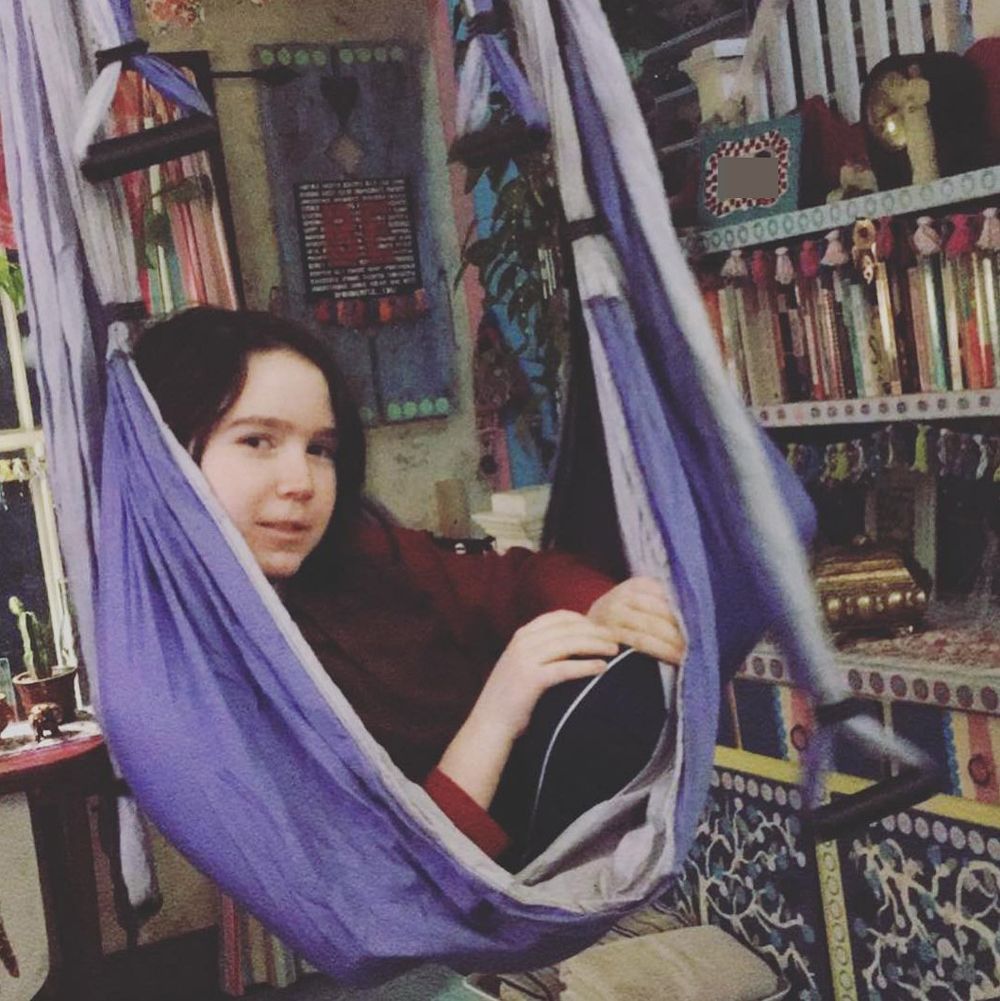
Dayna's unorthodox views on parenting have attracted criticism, which she used to take to heart.
But now, she has noticed a shift in attitudes and finds more and more people agreeing with her – although she is frequently asked how her children make friends without going to school.
She explained:
“That is the first thing everyone wants to know. But I don't see the age segregation in schools as socialization. My kids won't automatically get on with someone just because they're forced to sit next to them."
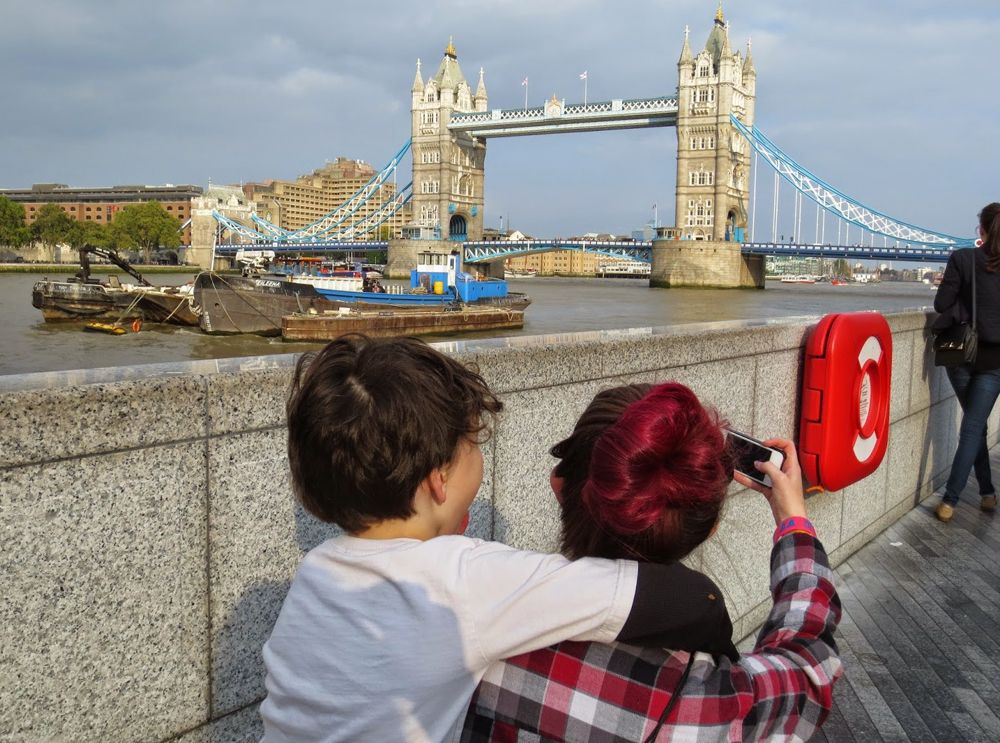
“Instead, they have friends of all ages, which they make through their hobbies and interests, homeschooling groups and just by striking up conversations when they're out, like you or I would."
“Another issue I have with mainstream schooling is that it assumes everyone's social needs are the same, when actually, some children don't like being surrounded by other people all the time."
Though she is keen to stress that she does not judge parents who raise their children differently to her, Dayna does hope that, by speaking out, she will enlighten and encourage people to follow suit.
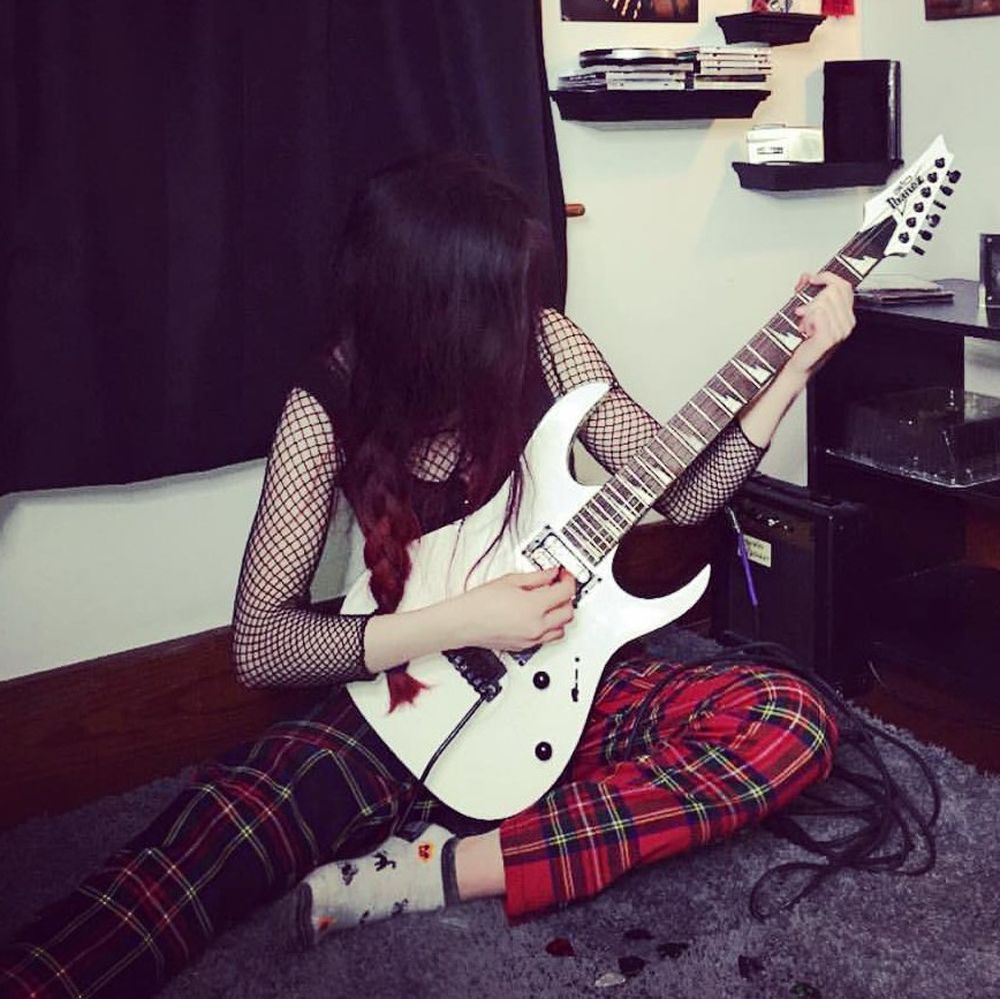
She concluded:
“I'm seeing people slowly start to wake up to this way of thinking, and realize how important it is that children's right to choice and freedom is respected."
“I have no doubt parents and teachers want the best for children, but we have been conditioned to think a certain way about schooling."
“Being an advocate for unschooling has been a huge journey, and I used to really care what people thought, but at the end of the day, my family are kind and respectful – and I do my best to be the same to help set an example."




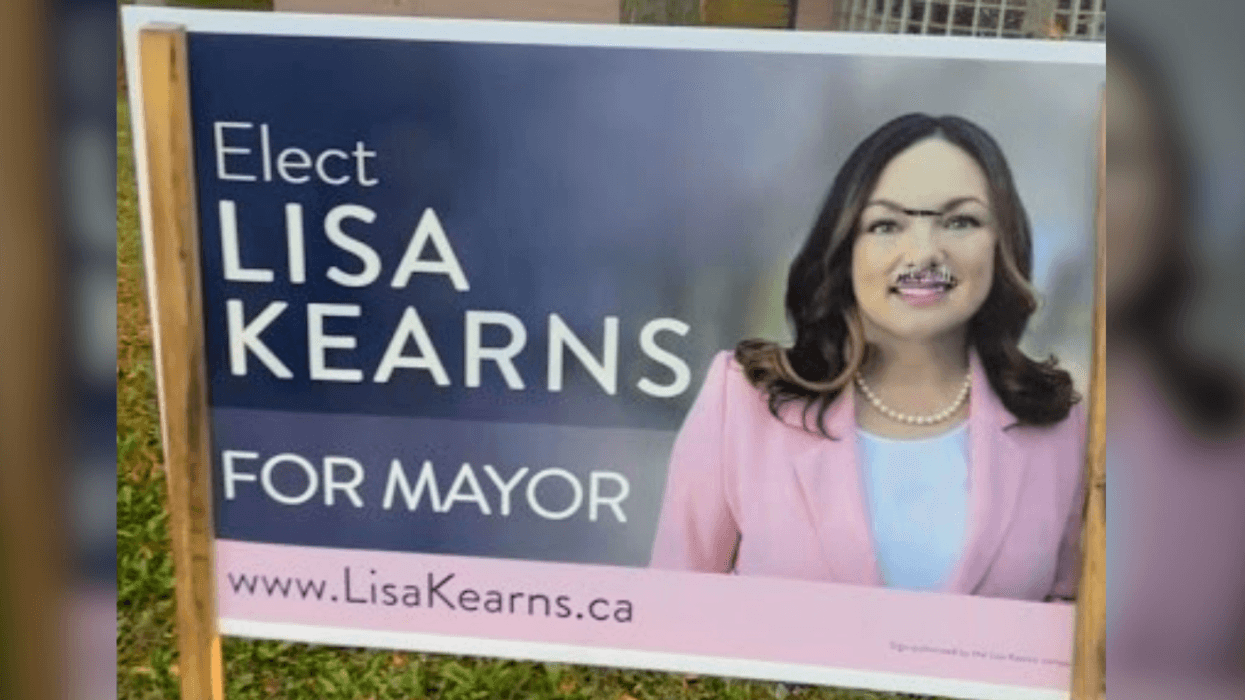
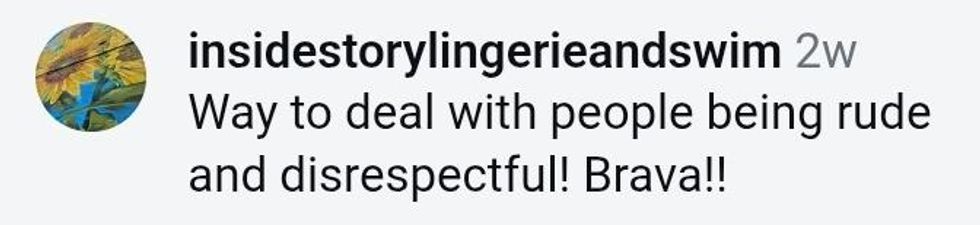 reply to @lisakearnsward2/Instagram
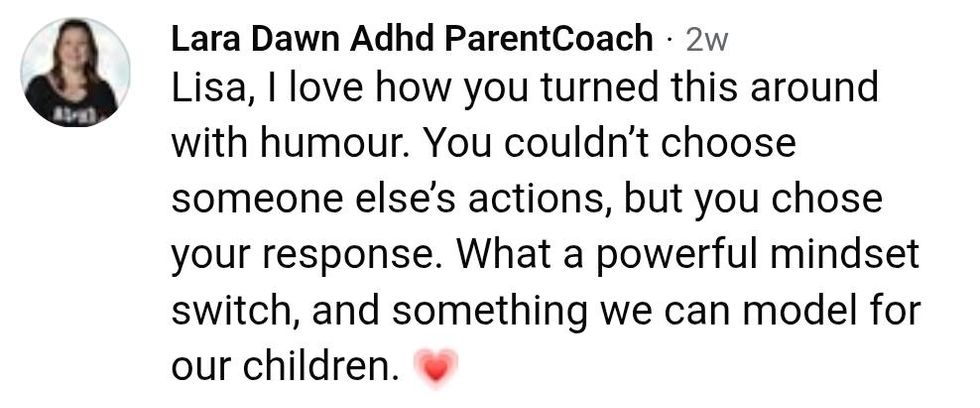 reply to Lisa Kearns/Facebook
 reply to Lisa Kearns/Facebook
 reply to @lisakearnsward2/Instagram
 reply to Lisa Kearns/Facebook
 reply to Lisa Kearns/Facebook
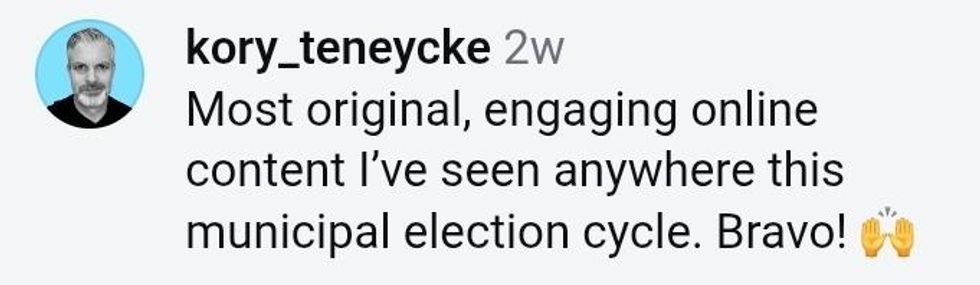 reply to @lisakearnsward2/Instagram
 reply to Lisa Kearns/Facebook
 reply to Lisa Kearns/Facebook
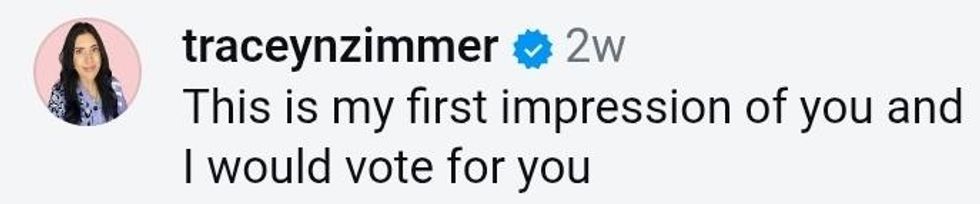 reply to @lisakearnsward2/Instagram
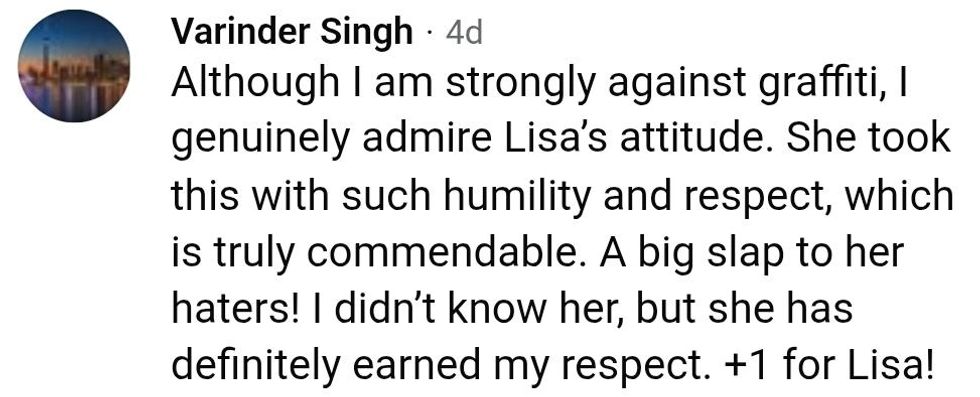 reply to Lisa Kearns/Facebook
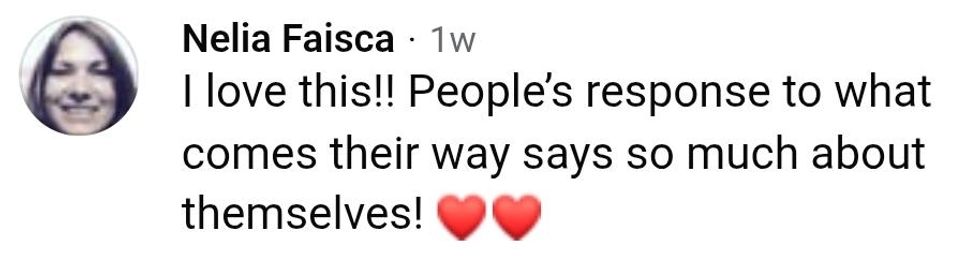 reply to Lisa Kearns/Facebook
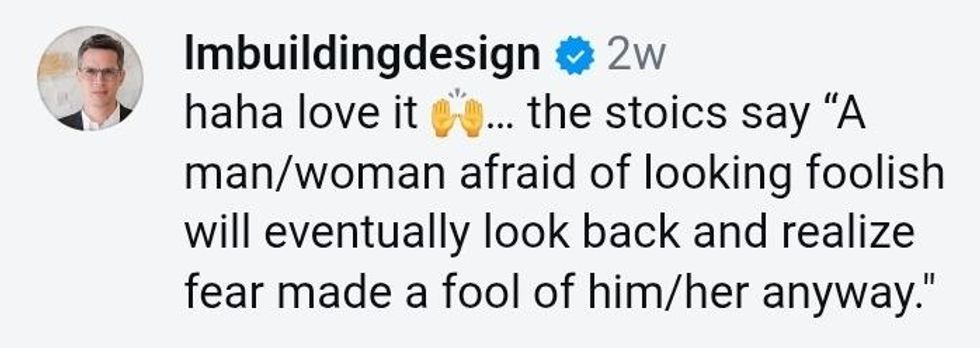 reply to @lisakearnsward2/Instagram
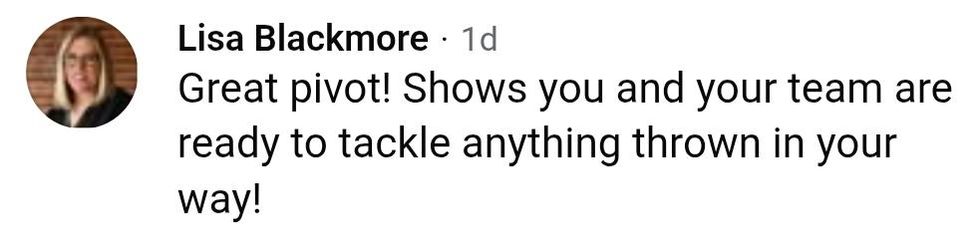 reply to Lisa Kearns/Facebook
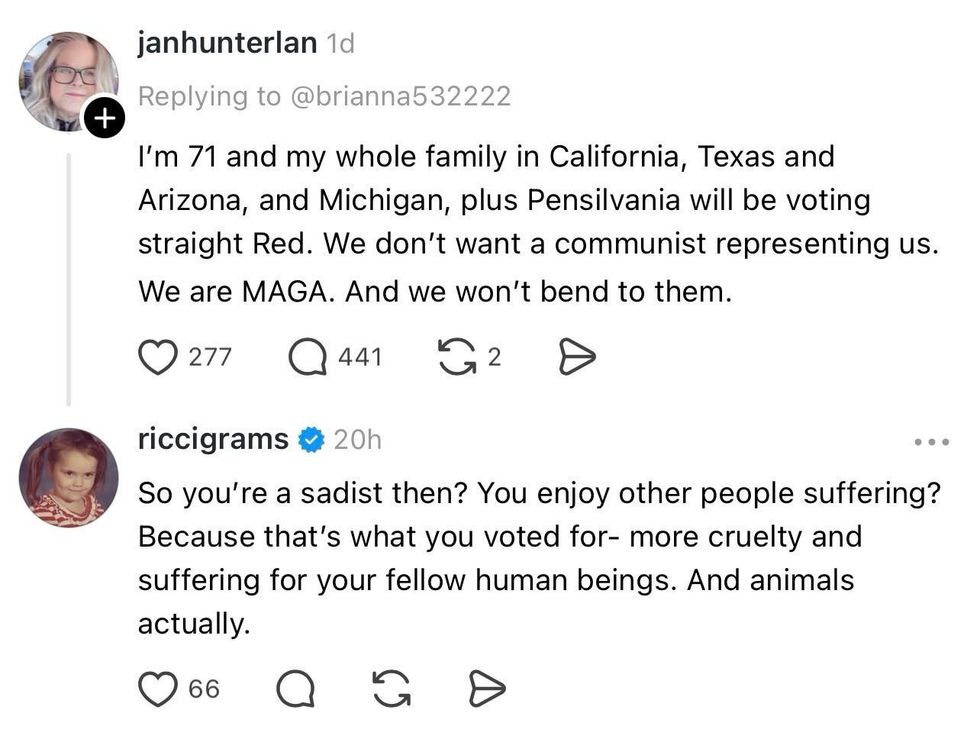 @janhunterlan/Threads; @riccigrams/Threads
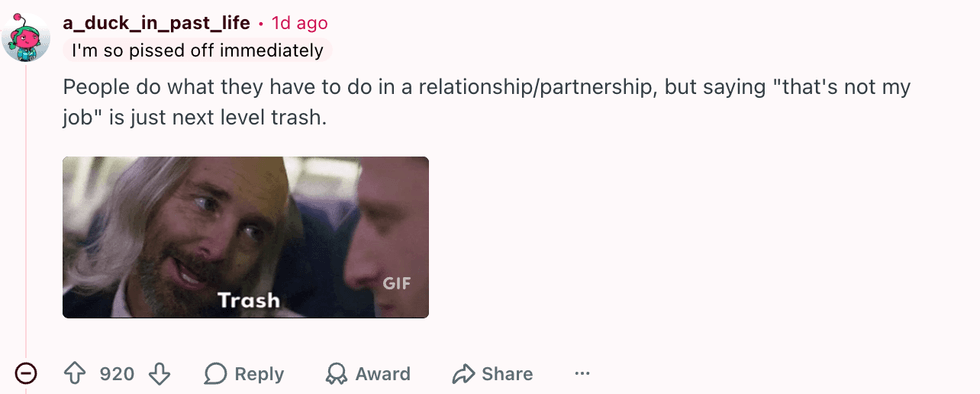 u/a_duck_in_past_life/Reddit
 u/GordEisengrim/Reddit
 u/qu33rtyc0wboy/Reddit
 u/-SnuffBox-/Reddit
 u/Kooky-Blueberry-5352/Reddit
 u/Kidgorgeoushere/Reddit
 u/OShaunesssy/Reddit
 u/eugeneugene/Reddit
 u/AvengingHero2012/Reddit
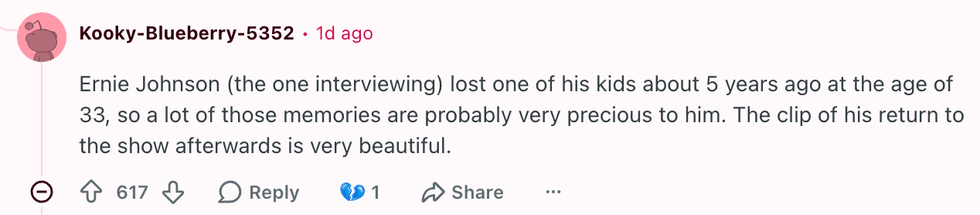 u/Kooky-Blueberry-5352/Reddit
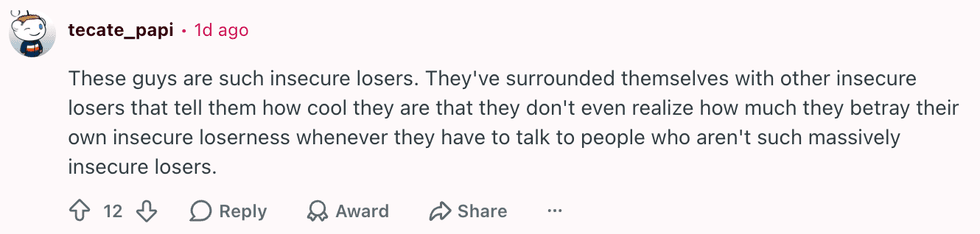 u/tecate_papi/Reddit
 u/Accomplished_Ad5811/Reddit
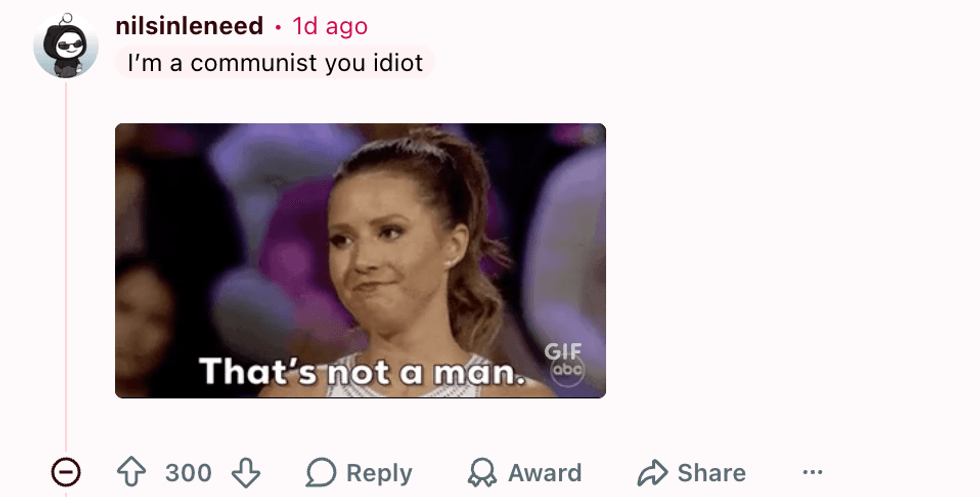 u/nilsinleneed/Reddit