
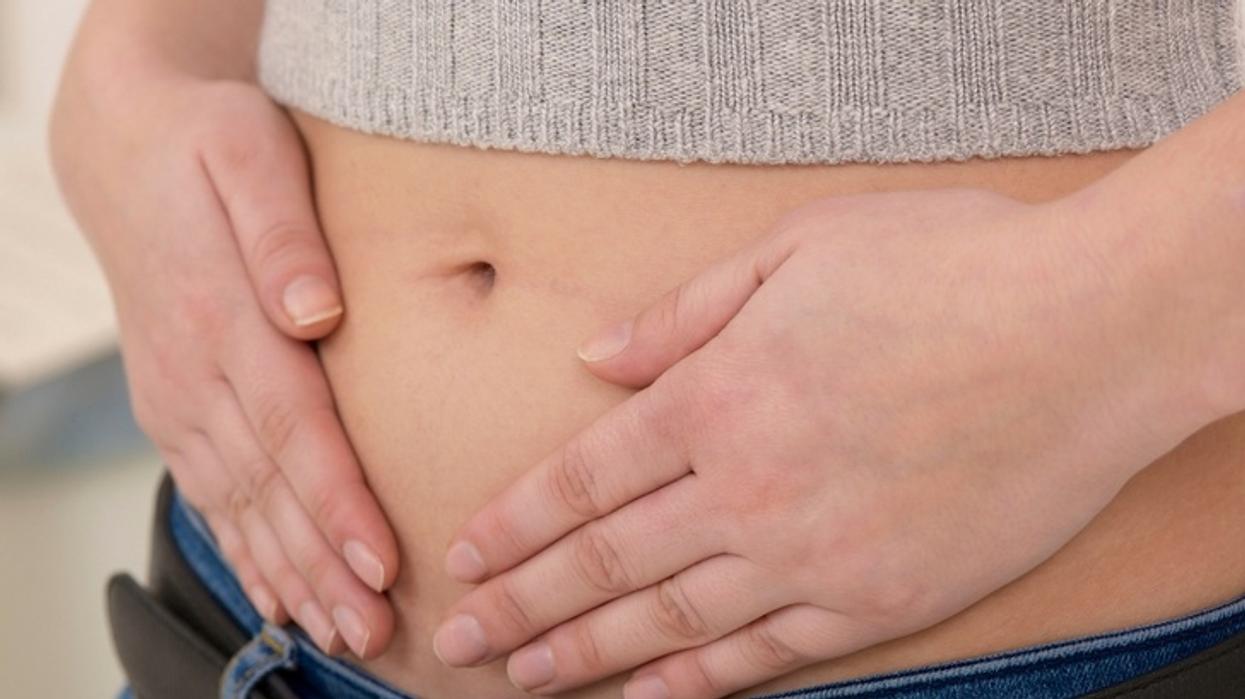

Sure, the topic of women and their periods makes people uncomfortable but the conversation shouldn't be avoided. The social stigma associated with women experiencing menstrual pain on a monthly basis is dangerous.
The level of sometimes excruciating pain is a result of dysmenorrhea, the clinical term for painful menstruation, and is often ignored, according to John Guillebaud, a professor of reproductive health at University College London.
One in five women experiences the agony of dysmenorrhea, and patients who consult physicians are typically dismissed and told that ibuprofen should take care of the pain.
Guillebaud told Quartz he's been informed by a number of patients that the pains they experience is "almost as bad as having a heart attack."
Suddenly that ibuprofen in your cupboard looks useless––and is.
Olivia Goldhill, a weekend writer for Quartz, shared her own personal experience with dysmenorrhea. She says her menstrual pains are not dissimilar to the pain one experiences when they suffer a slipped disc in their spine.
She would know what that feels like.
I speak from experience, having had two slipped discs in my life, and doctors were so convinced I had a third that I was referred for an MRI. Every month I spent hours lying on the floor, unable to move, and literally crying out in agony.
When Goldhill told her physician that the pain seemed to be triggered monthly by her period, the specialist ignored her comment. After an MRI scan revealed all the discs were in place, the specialist said that she was probably suffering from nerve inflammation.
The second most painful type of menstrual cramps is endometriosis and it affects one in ten ovulating women.
The symptoms, which include fatigue and painful cramps, are a result of tissues developing outside, instead of inside, the uterus. The displaced endometrial tissues breaks down with each menstrual cycle as they normally would, but without a way to exit the body.
It takes an average of seven and half years for a woman to be correctly diagnosed for endometriosis, according to The Independent.
Dr. Annalise Weckesser says that inadequate treatment options often follow diagnosis.
We heard from these women that it is so hard to get a diagnosis, but even when you get one your battle is not done. It's about trying a merry-go-round of different treatments.
These women have a desperation and willingness to try anything to see if it would work despite each available treatment having a host of side effects.
The limitation of options isn't helped by the culture of silence around menstrual cramps. adds Guillebaud:
Men don't get it and it hasn't been given the centrality it should have. I do believe it's something that should be taken care of, like anything else in medicine.
Women shared their own comparisons with the symptomatic pains.
Here's a little perspective.
It's time for a real discussion.
H/T - Twitter, Independent, Indy100, Mayoclinic, Quartz







 @MuffinsNsuch/X
 @serena_loscalzo/TikTok
 @serena_loscalzo/TikTok
 @serena_loscalzo/TikTok
 @serena_loscalzo/TikTok
 @serena_loscalzo/TikTok
 @serena_loscalzo/TikTok
 @serena_loscalzo/TikTok
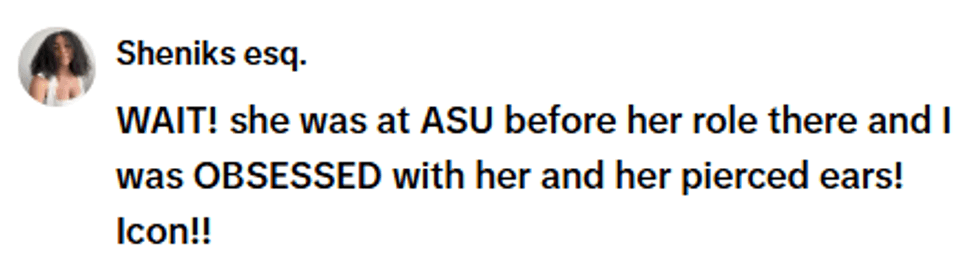 @serena_loscalzo/TikTok
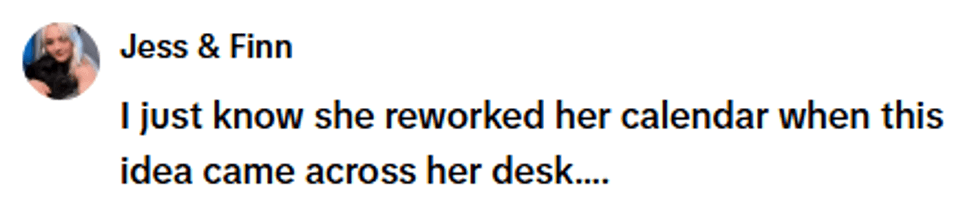 @serena_loscalzo/TikTok
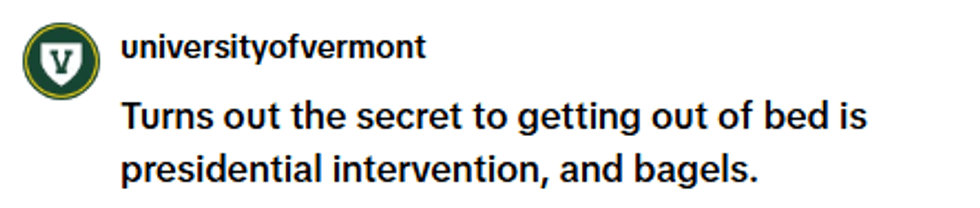 @serena_loscalzo/TikTok
 @itsvictoriavega/TikTok
 @itsvictoriavega/TikTok
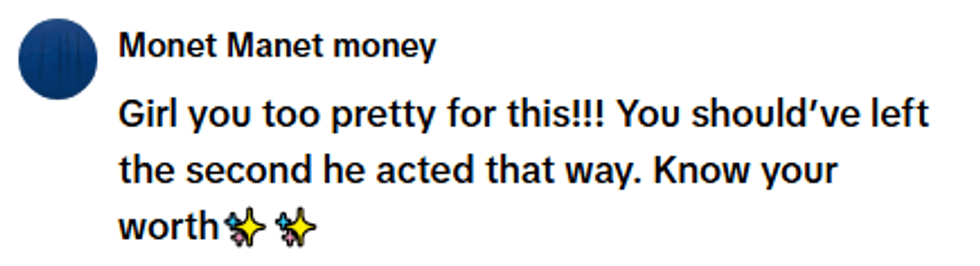 @itsvictoriavega/TikTok
 @itsvictoriavega/TikTok
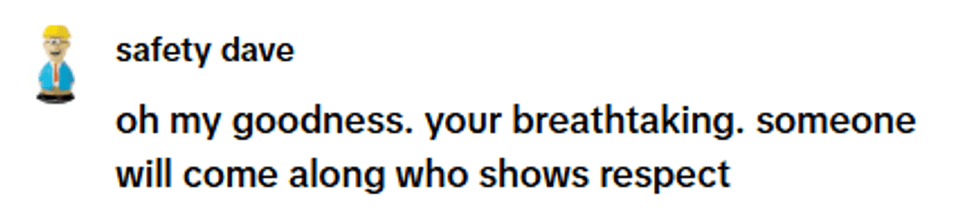 @itsvictoriavega/TikTok
 @itsvictoriavega/TikTok
 @itsvictoriavega/TikTok
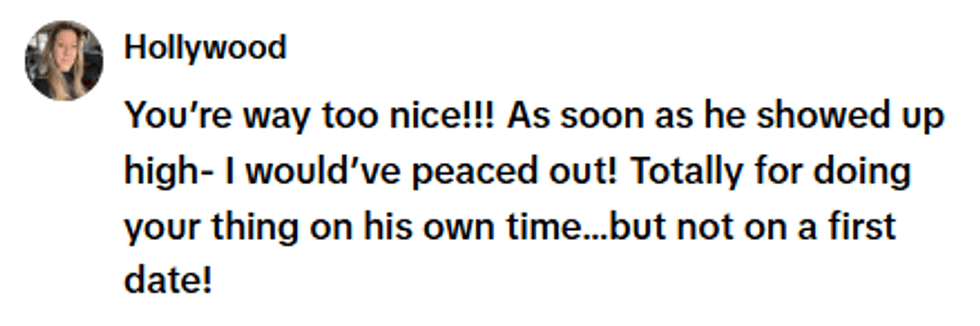 @itsvictoriavega/TikTok
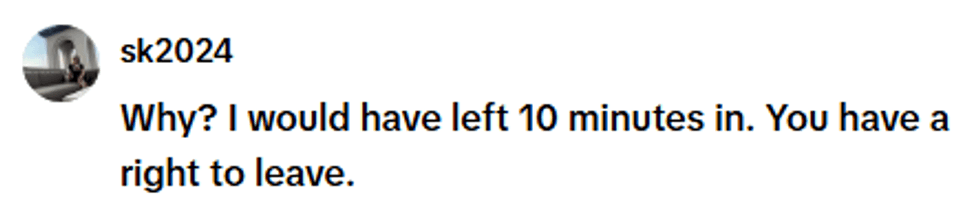 @itsvictoriavega/TikTok
 @itsvictoriavega/TikTok
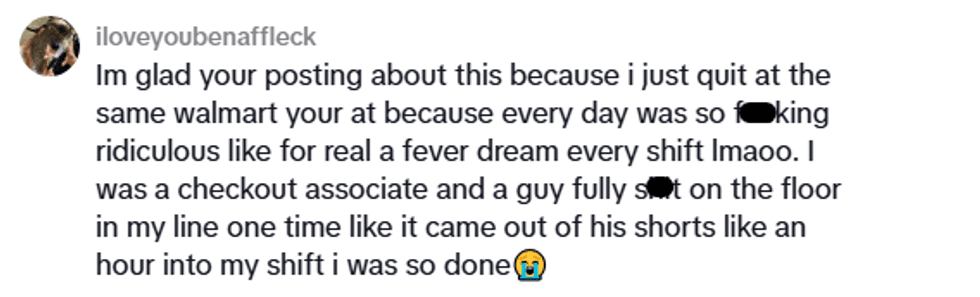 @lolxdlolxdlolxd23455/TikTok
 @lolxdlolxdlolxd23455/TikTok
 @lolxdlolxdlolxd23455/TikTok
 @lolxdlolxdlolxd23455/TikTok
 @lolxdlolxdlolxd23455/TikTok
 @lolxdlolxdlolxd23455/TikTok
 @lolxdlolxdlolxd23455/TikTok
 @lolxdlolxdlolxd23455/TikTok
 @lolxdlolxdlolxd23455/TikTok
 @lolxdlolxdlolxd23455/TikTok
Larry David's New Satirical Essay Mocking Democratic Socialists Isn't Sitting Well With People