
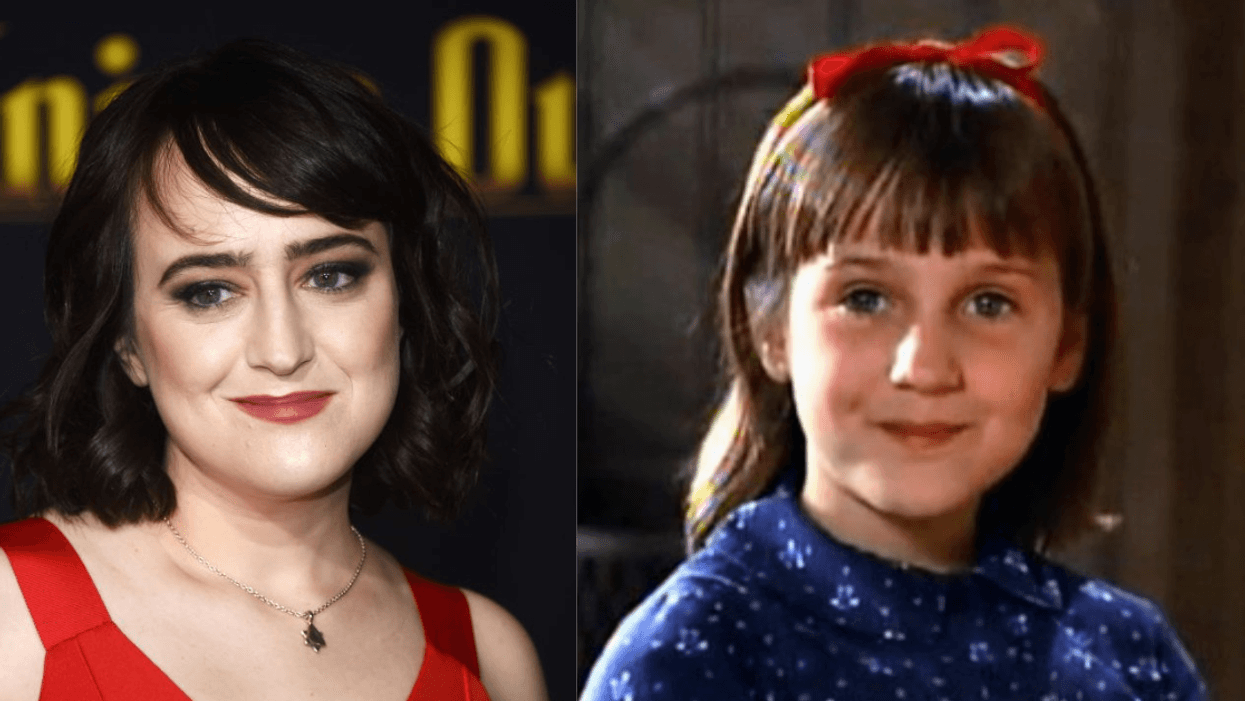
Mara Wilson is probably best known for her titular role as Matilda in the 1996 movie adaptation of Roald Dahl's book of the same name.
Wilson recently shared what her experience as a child actor was like—including living with what she now knows are an anxiety disorder and OCD—on the podcast Mayim Bialik's Breakdown.
Wilson told Bialik about the severe anxiety she felt at a very young age and the seeming contradiction of her anxiety with her often extroverted personality:
"I was always very worried from a very young age. I worried about death, I worried about sickness, I was that kind of worrier."
"And it was strange because I was either, like I said, a very sort of upbeat extroverted kid or I was having an anxiety attack."
"When I was in third grade, that was really when all the sh*t hit the fan. Third grade was when my mother was sick, I had just finished filming Matilda. I started having panic attacks about things like my pet hamster escaping."
Being only around 10 years old, though, Wilson didn't understand what she was experiencing were anxiety attacks.
She said she heard the word anxiety used, but never made the connection with what she was feeling.
"I think that my mother was probably afraid because she knew that mental illness ran in her family, and she was also just sort of like a just suck it up type mom anyway."
"So she was just kind of like, 'OK get over it, you'll be fine, deal with it.' And she had cancer, she was dealing with her own stuff at the time."
It was around this time Wilson started experiencing symptoms of Obsessive-Compulsive Disorder (OCD) as well, like extreme hand-washing.
"I started washing my hands all the time, so much so that my hands were always red and chapped and raw and my mother would have to put salves and ointments and all these kinds of … all of her home remedies on them to make sure that they wouldn't hurt so much anymore."
She said she was aware her behaviors and fears were "weird," but didn't understand their source.
"It was a really hard time for me and I knew that it was weird. That was the thing."
"I knew that I was strange, I knew that this was something that other people didn't have and I started having panic attacks at school."
"I had a feeling that this was not something that other kids had."
She knew enough to seek assistance from her school guidance counselor, but the counselor didn't have the training to know how to help.
"I would go to the guidance counselor like every day but they didn't really seem to know what to do with a child with anxiety, a child with obsessions and compulsions."
"I think about it and the way that I talked about my symptoms and the way I described them, if I heard a child describe them today I would immediately be like, even if I didn't have the extensive experience, I think if anybody heard the way that I was talking, they would immediately say that sounds like OCD."
"I think we know a little bit more about OCD now because it's 25 years later but at the time, I guess people didn’t really have the knowledge that it could even happen to children."
Though the internet was still pretty rudimentary at the time, Wilson said she found information about OCD online.
She immediately recognized that it was what she was living with.
"I looked up OCD with the rudimentary internet that we had at the time and what I knew in the library and encyclopedia and such and I was like, 'Oh, I have this.' And I went to my guidance counselors, I said, 'I think I know what's wrong with me."
There was at least one adult in Wilson's life that helped to validate her struggles and let her see maybe she wasn't as "weird" as she thought—a studio teacher she worked with on set.
"I confessed to her that I was weird and I didn't tell a lot of people about it. But I told her I was like, 'I'm really weird.' She's like, 'I'm a little weird too'."
"And I was like, 'No, I get really anxious, I get really scared.' She was like, 'I have anxiety too, it's OK'."
"And it made me think, oh OK there are adults who have this. Not everybody is in control all the time and they deal with it, they find ways to deal with it."
Wilson said it was an uphill battle to get her father to recognize she needed help.
"I think parents want to blame themselves for it. And they don't want to damn their kids with a diagnosis."
But that diagnosis and the subsequent medication and therapy are what helped Wilson learn to live with her anxiety and OCD.
"I think I was on Zoloft at the time. I'm on Lexapro now and it helps because I could not function without it. And I was diagnosed with severe OCD and I couldn't have functioned without it."
"That diagnosis saved me."
You can listen to the full podcast episode below:
Wilson has also been quite open about her mental health struggles on social media and in Where Am I Now?, her autobiography.


 @MuffinsNsuch/X
 @serena_loscalzo/TikTok
 @serena_loscalzo/TikTok
 @serena_loscalzo/TikTok
 @serena_loscalzo/TikTok
 @serena_loscalzo/TikTok
 @serena_loscalzo/TikTok
 @serena_loscalzo/TikTok
 @serena_loscalzo/TikTok
 @serena_loscalzo/TikTok
 @serena_loscalzo/TikTok
 @itsvictoriavega/TikTok
 @itsvictoriavega/TikTok
 @itsvictoriavega/TikTok
 @itsvictoriavega/TikTok
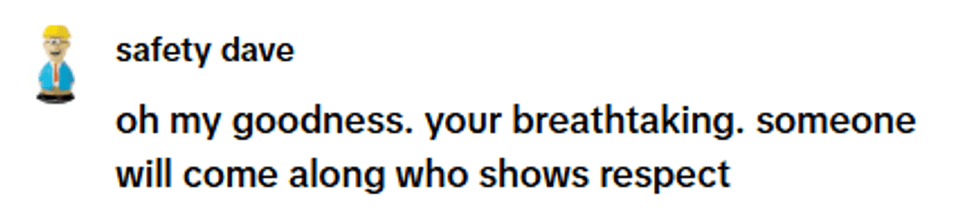 @itsvictoriavega/TikTok
 @itsvictoriavega/TikTok
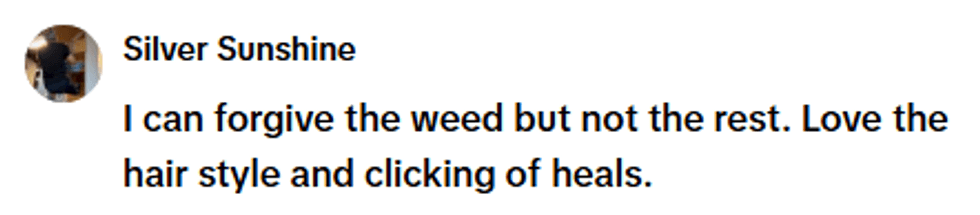 @itsvictoriavega/TikTok
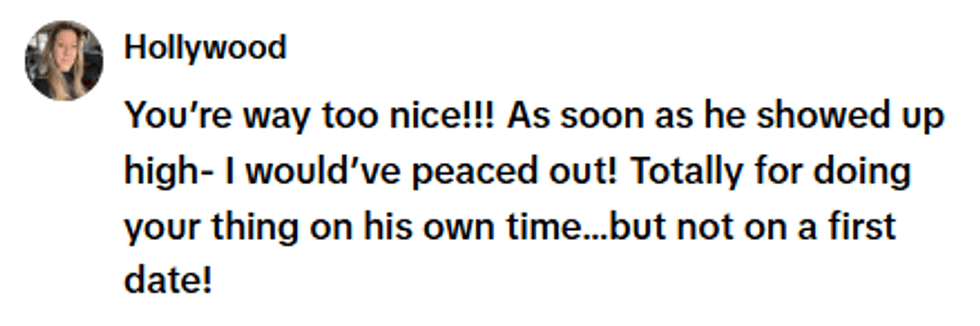 @itsvictoriavega/TikTok
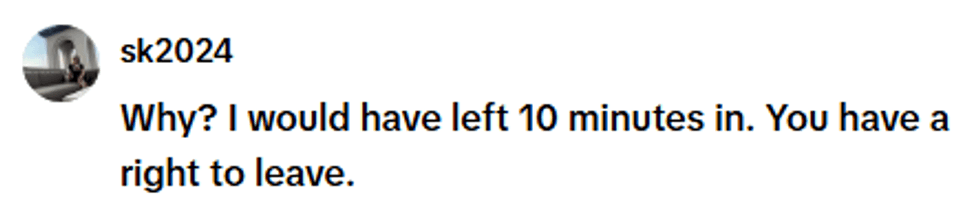 @itsvictoriavega/TikTok
 @itsvictoriavega/TikTok
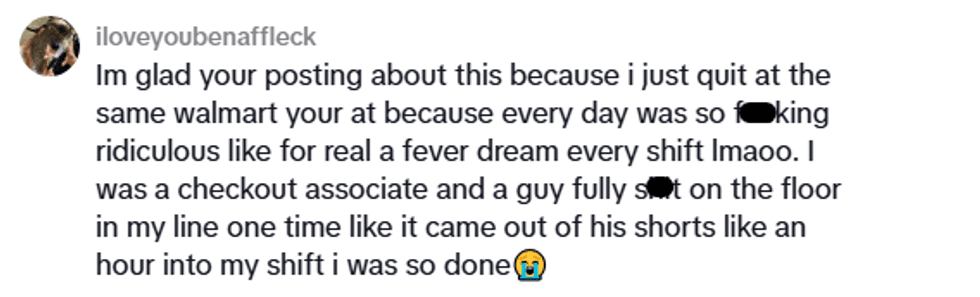 @lolxdlolxdlolxd23455/TikTok
 @lolxdlolxdlolxd23455/TikTok
 @lolxdlolxdlolxd23455/TikTok
 @lolxdlolxdlolxd23455/TikTok
 @lolxdlolxdlolxd23455/TikTok
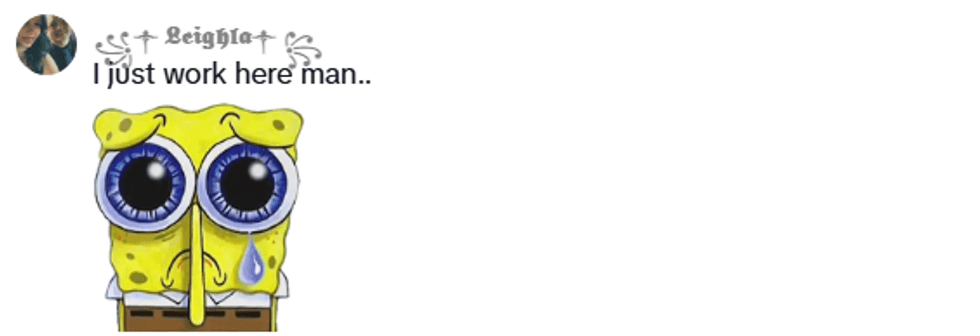 @lolxdlolxdlolxd23455/TikTok
 @lolxdlolxdlolxd23455/TikTok
 @lolxdlolxdlolxd23455/TikTok
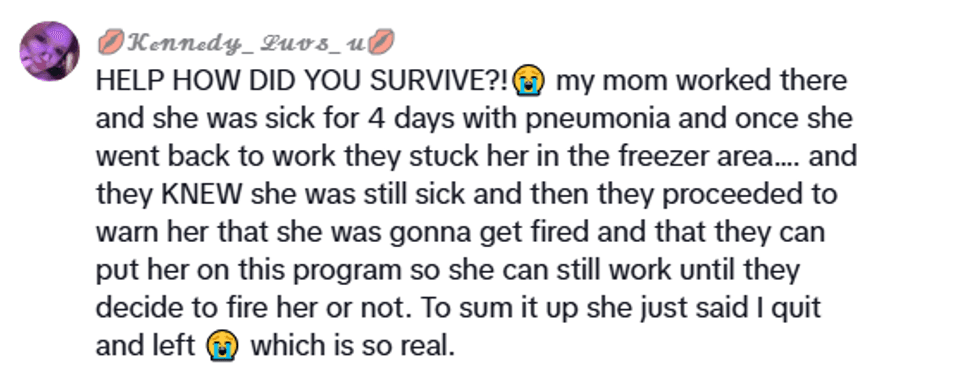 @lolxdlolxdlolxd23455/TikTok
 @lolxdlolxdlolxd23455/TikTok
Larry David's New Satirical Essay Mocking Democratic Socialists Isn't Sitting Well With People