
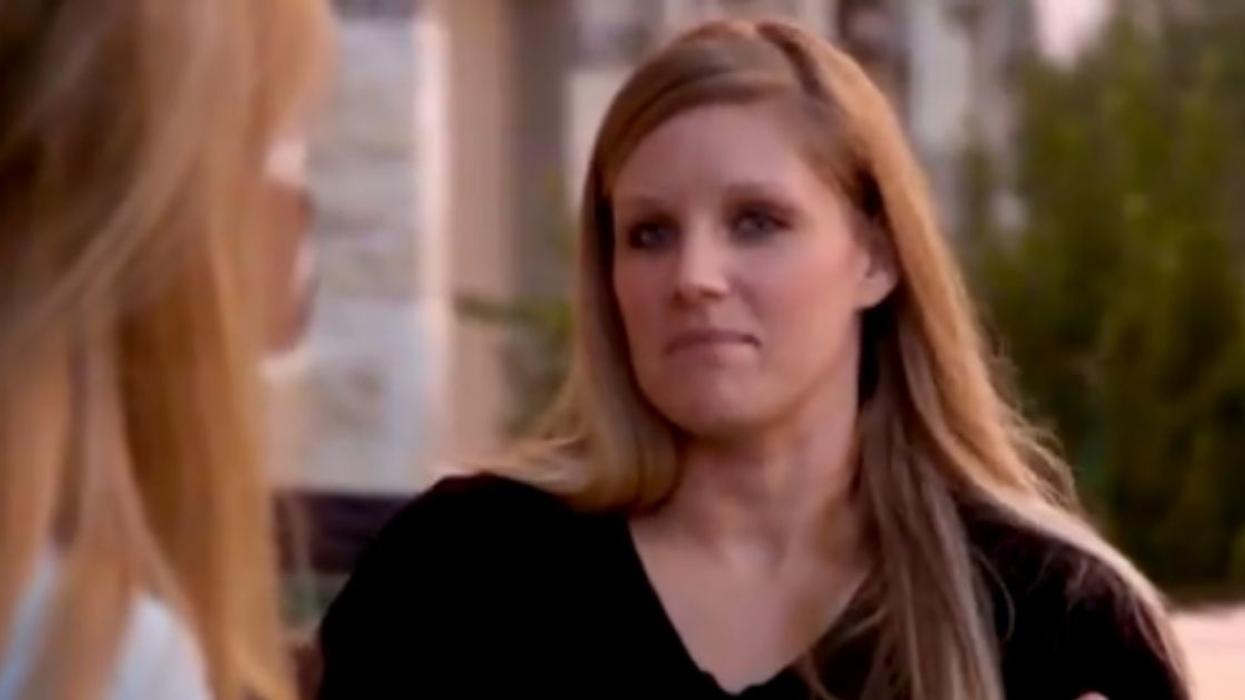

If the last four years have had a theme, it's "saying the quiet part out loud," and a recently resurfaced video from a PBS broadcast fits the bill perfectly.
In the clip, an upper-middle-class woman in the Dallas suburbs explains why she doesn't want low-income housing in her neighborhood, and it's pretty much exactly what you'd expect.
The clip originally aired during a 2017 episode of the PBS documentary series Frontline. Co-produced with NPR, the episode focused on the affordable housing crisis in the United States.
In the clip, a reporter hosting the documentary met with a woman, Nicole Humphrey, in front of her suburban McMansion to ask why she opposes an affordable housing development in her affluent neighborhood.
Referring to the Department of Housing and Urban Development's Section 8 subsidized housing program, Humphrey gave an answer that is somehow simultaneously shocking and totally unsurprising.
"The lifestyle that goes with Section 8 is usually working single moms or people who are struggling to keep their heads above water. I feel so bad saying that … but it's not people who are of the same class as us, which sounds bad but I don't mean that in a bad way."
The reporter then asked Humphrey if she thinks children who've not enjoyed the same advantages as Humphrey's should be able to access the opportunities typically found in more upscale neighborhoods. In response, Humphrey doubled down.
"The problem is, I hear a lot of the unfair 'Oh we haven't been given this or that' or 'We haven't been afforded things you might have been afforded.' I don't look at multi-millionaires and think 'Why don't I have a yacht?'"
The reporter followed up by asking Humphrey if she thinks she might be stereotyping the people who utilize Section 8 housing subsidies, and Humphrey pretty much immediately told on herself.
"Oh I totally am! 100 per cent. I'm definitely not a racist or a bigot but I hold a little bit of a stigma against people who are different."
The reporter never mentioned or asked about the issue of race, or the racial identities of Humphrey's potential new neighbors.
Humphrey went on to characterize Section 8 housing residents as shiftless.
"We don't want nomads, we don't want people who don't have roots. I just don't want that to be what my community is about".
On Twitter, people were deeply angered by Humphrey's comments, which many felt were rife with coded racism.
President Trump won 53% of the White women's vote, and his reelection campaign has focused almost single-mindedly on stoking fear in White suburban women about issues like affordable housing. Humphrey's comments make it easy to see why


 @MuffinsNsuch/X
 @serena_loscalzo/TikTok
 @serena_loscalzo/TikTok
 @serena_loscalzo/TikTok
 @serena_loscalzo/TikTok
 @serena_loscalzo/TikTok
 @serena_loscalzo/TikTok
 @serena_loscalzo/TikTok
 @serena_loscalzo/TikTok
 @serena_loscalzo/TikTok
 @serena_loscalzo/TikTok
 @itsvictoriavega/TikTok
 @itsvictoriavega/TikTok
 @itsvictoriavega/TikTok
 @itsvictoriavega/TikTok
 @itsvictoriavega/TikTok
 @itsvictoriavega/TikTok
 @itsvictoriavega/TikTok
 @itsvictoriavega/TikTok
 @itsvictoriavega/TikTok
 @itsvictoriavega/TikTok
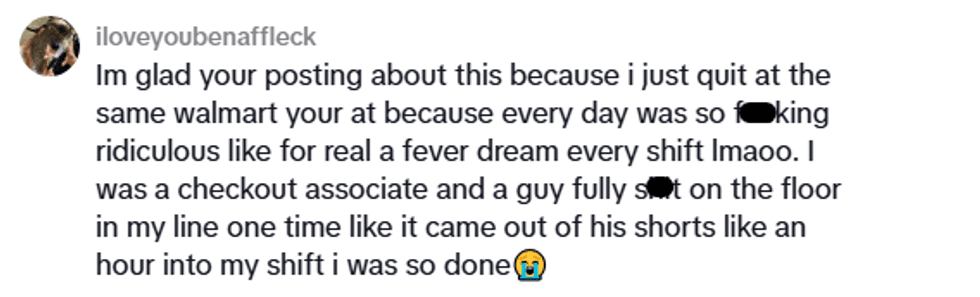 @lolxdlolxdlolxd23455/TikTok
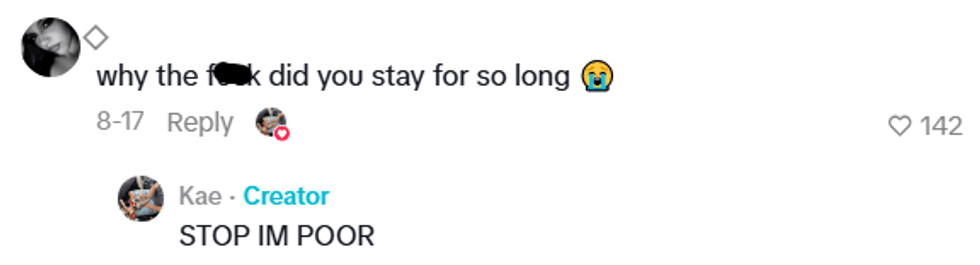 @lolxdlolxdlolxd23455/TikTok
 @lolxdlolxdlolxd23455/TikTok
 @lolxdlolxdlolxd23455/TikTok
 @lolxdlolxdlolxd23455/TikTok
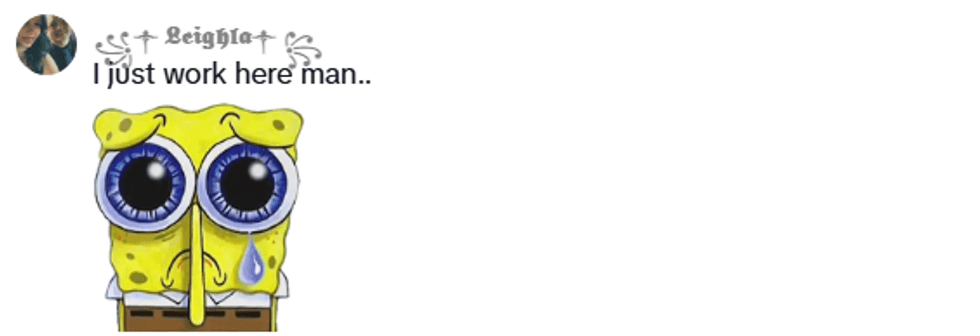 @lolxdlolxdlolxd23455/TikTok
 @lolxdlolxdlolxd23455/TikTok
 @lolxdlolxdlolxd23455/TikTok
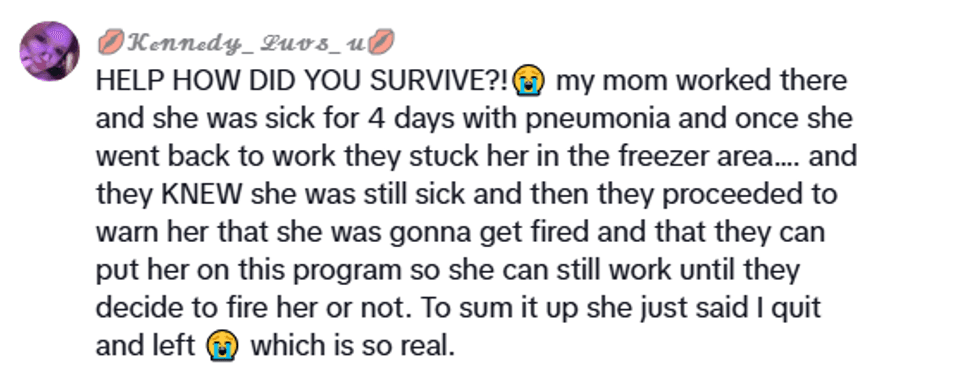 @lolxdlolxdlolxd23455/TikTok
 @lolxdlolxdlolxd23455/TikTok
Larry David's New Satirical Essay Mocking Democratic Socialists Isn't Sitting Well With People