
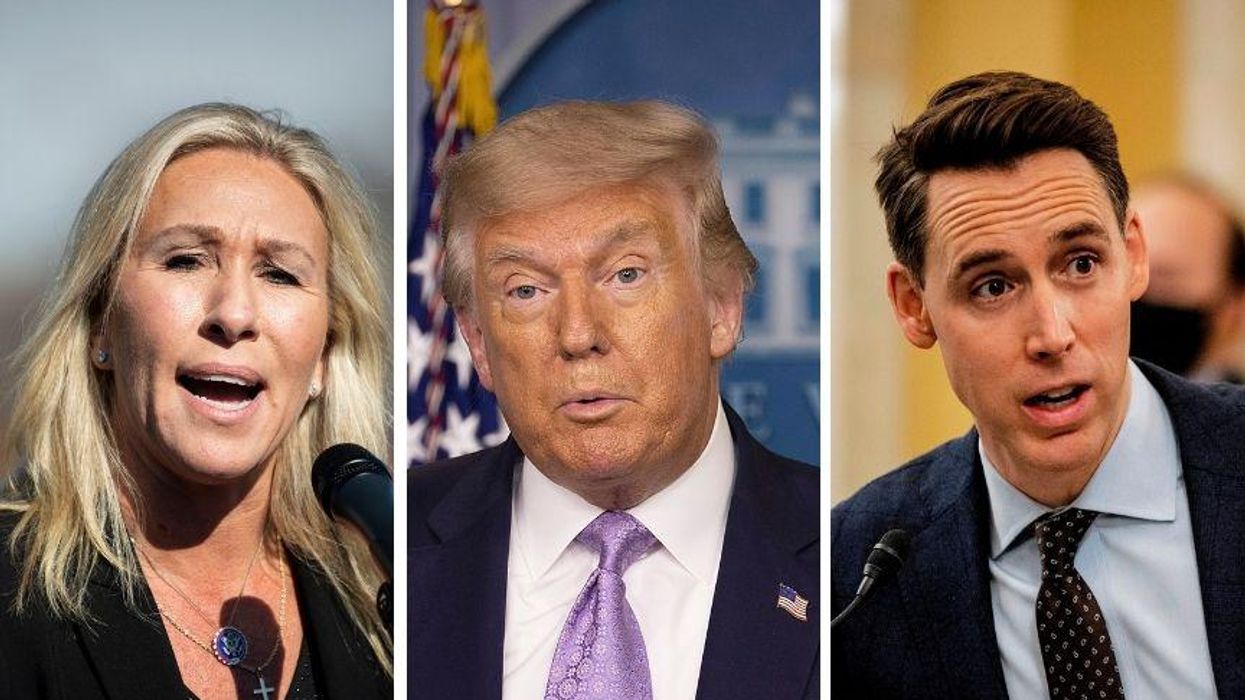

Fox News cancelled Lou Dobbs's show after his lies about election fraud exposed the company to defamation liability. Dozens of major corporations have suspended campaign donations to the 147 Republican lawmakers in Congress who objected to the electoral count. And perhaps most famously, Donald Trump was deplatformed from Twitter for his repeated lies about the election and threats to public safety.
These actions have convinced many in the GOP that there is a liberal-leaning culture—-run by Hollywood, trial lawyers, and big tech—that is out to silence them completely in violation of their rights of free expression.
And yet, the GOP and Trump are famous for silencing or canceling anyone who doesn't fall in line.
When Mitch McConnell spoke out forcefully against Donald Trump at the end of the impeachment trial, Trump fired back with a scathing letter calling him "a dour, sullen, and unsmiling political hack" and warned that Republican senators would not win again if they stayed with him. Election officials who stood by their states' vote results received presidential phone calls that included veiled threats of retribution, followed up with public disparagement online by the former president.
Notable figures from Cindy McCain to Liz Cheney, and more recently Senators Burr and Cassidy, were lambasted by their state parties for voting against Trump in the impeachment. Families are not exempt either. Rep. Adam Kinzinger's extended relations issued a public and frankly bizarre condemnation of his impeachment vote, accusing him of joining the "devil's army" of Democrats and fake media, with eleven of them disowning him.
Even South Dakota Republican Senator John Thune, who still voted to acquit Trump, noted the GOP's hypocrisy, saying:
"If we're going to criticize the media and the left for cancel culture, we can't be doing that ourselves."
Hypocrisy aside, the question of where to draw the line in the cancelation wars raises interesting legal and ethical questions and turns traditional conservatism on its head.
Take Trump being deplatformed from major social media. The same conservatives who insisted a bakery could refuse to decorate a cake for a gay couple's wedding were quick to condemn Twitter and Facebook for exercising their rights to enforce their own community standards.
Ironically, forcing Twitter or Facebook to distribute the president's false statements, in violation of their own community standards, would likely comprise a violation of the First Amendment because the government doesn't generally have a right to force private companies to distribute content.
Similarly, while the GOP condemns private companies for suspending or terminating their political donations and deems this "cancel culture," it is not a free speech violation. Private companies are free to do with their money and their property what they wish, as long as they don't violate any laws. The politicians who lost their support are free to take their speech to more receptive supporters.
Without straw man arguments around free speech, "cancel culture" boils down to "consequence culture."
Simply put, you are free to speak your mind, but you cannot claim immunity from the consequences. In consequence culture, alienating benefactors through repeated bad behavior and false or defamatory statements can reasonably result in your being canceled or deplatformed.
In each of the recent high profile cases of politicians dropped by their donors or deplatformed, they knowingly spread lies and misinformation.
Contrast that to the punitive actions taken by state GOP parties against Republican moderates who painstakingly analyzed and audited election results, or sat through days of hearings or the trial to finally reach a decision that they knew would cost them politically.
The former represents a consequence culture, the latter the true cancel culture.
This article was originally published on The StatusKuo Substack here and is reprinted with the author's permission.
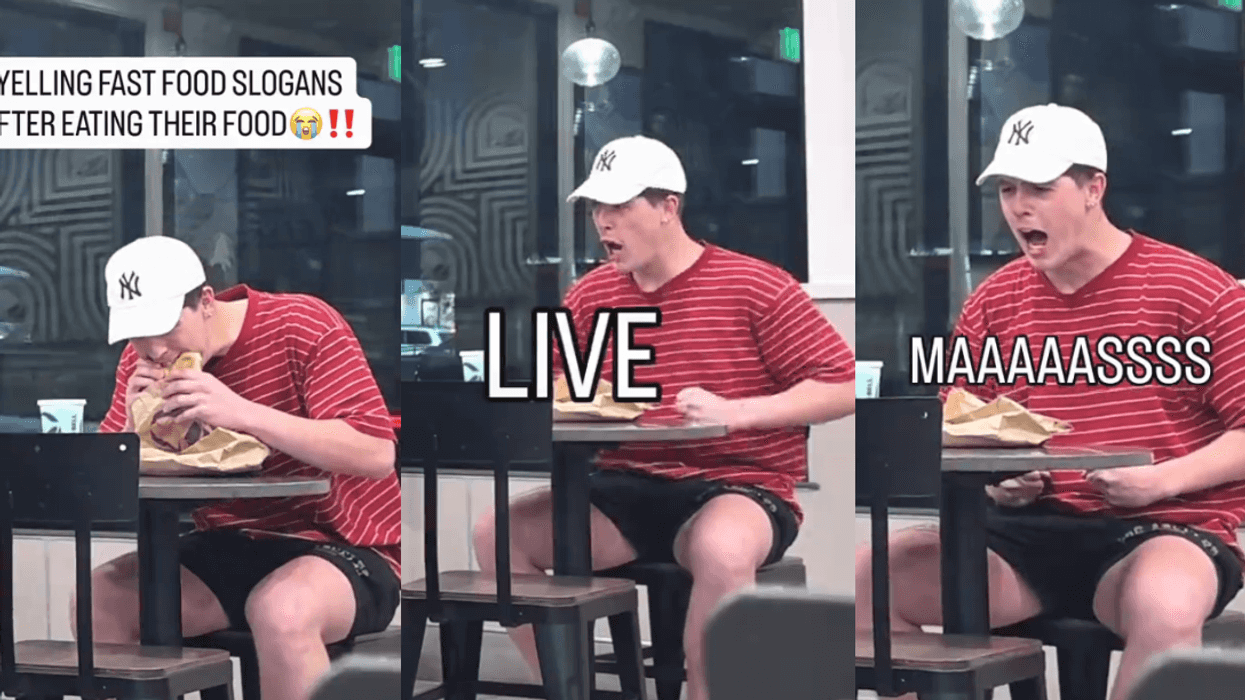
 @withethanlap/TikTok
 @withethanlap/TikTok
 @withethanlap/TikTok
 @withethanlap/TikTok
 @withethanlap/TikTok
 @withethanlap/TikTok
 @withethanlap/TikTok
 @withethanlap/TikTok
 @withethanlap/TikTok
 @withethanlap/TikTok
 @withethanlap/TikTok
 @withethanlap/TikTok
 @withethanlap/TikTok
 @withethanlap/TikTok
 @withethanlap/TikTok
 @withethanlap/TikTok
 @withethanlap/TikTok
 @withethanlap/TikTok
 @withethanlap/TikTok
 @withethanlap/TikTok
 @withethanlap/TikTok
 @withethanlap/TikTok
 @ngo.quang.thao/TikTok
 @ngo.quang.thao/TikTok
 @ngo.quang.thao/TikTok
 @ngo.quang.thao/TikTok
 @ngo.quang.thao/TikTok
 @ngo.quang.thao/TikTok
 @ngo.quang.thao/TikTok
 @ngo.quang.thao/TikTok
 @ngo.quang.thao/TikTok
 @ngo.quang.thao/TikTok
 @ngo.quang.thao/TikTok
 @ngo.quang.thao/TikTok
 @legallyswifite13/TikTok
 @legallyswifite13/TikTok
 @legallyswifite13/TikTok
 @legallyswifite13/TikTok
 @legallyswifite13/TikTok
 @legallyswifite13/TikTok
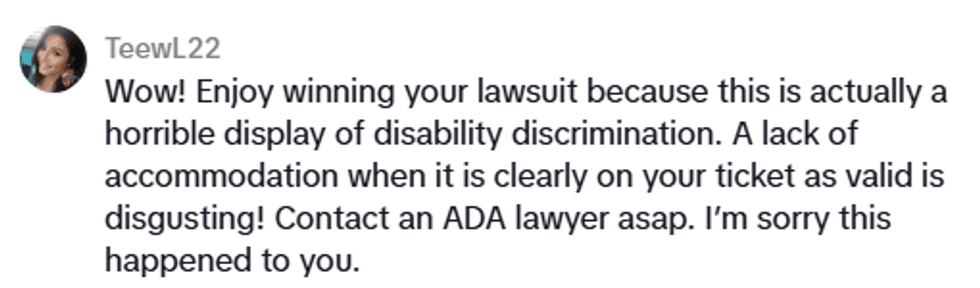 @legallyswifite13/TikTok
 @legallyswifite13/TikTok
 @legallyswifite13/TikTok
 @legallyswifite13/TikTok
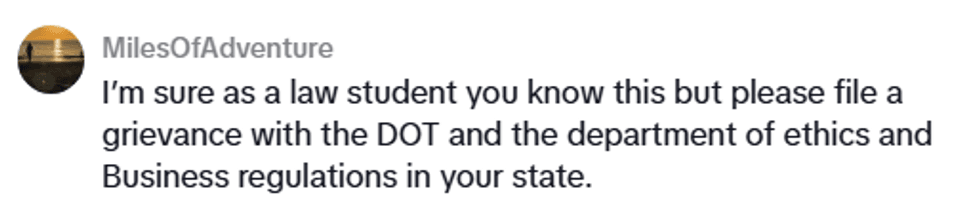 @legallyswifite13/TikTok
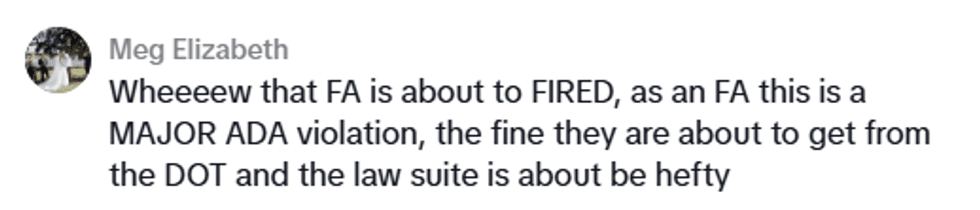 @legallyswifite13/TikTok
 @legallyswifite13/TikTok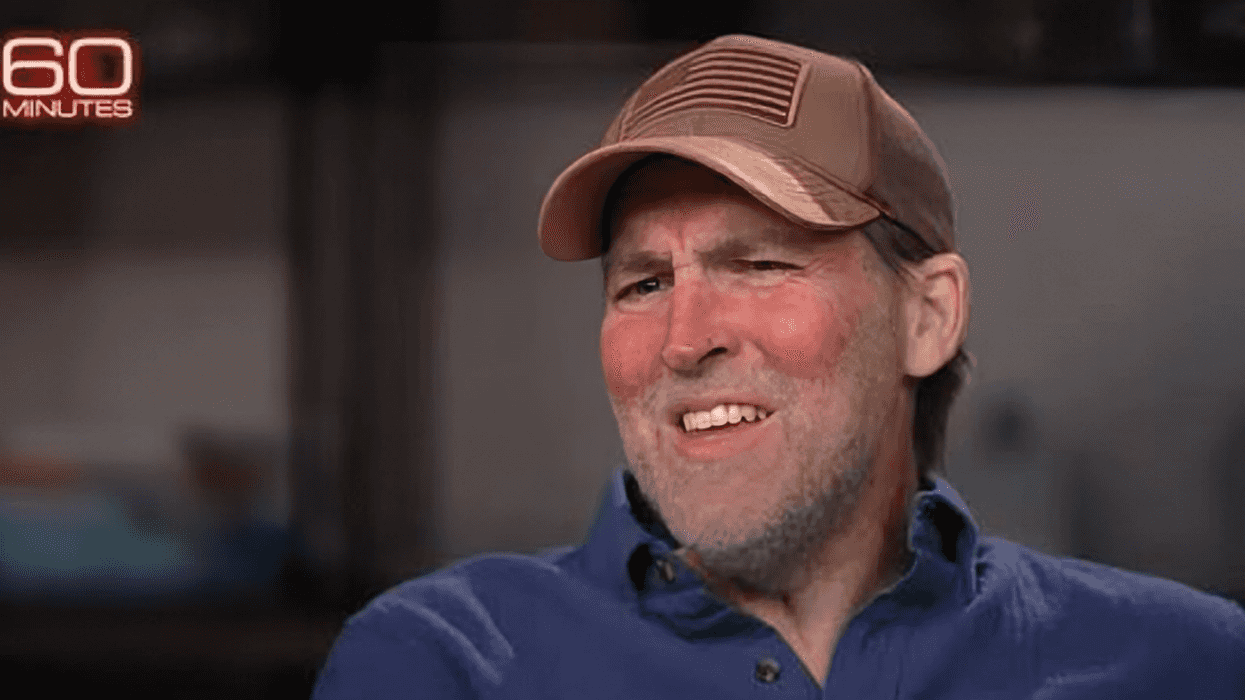
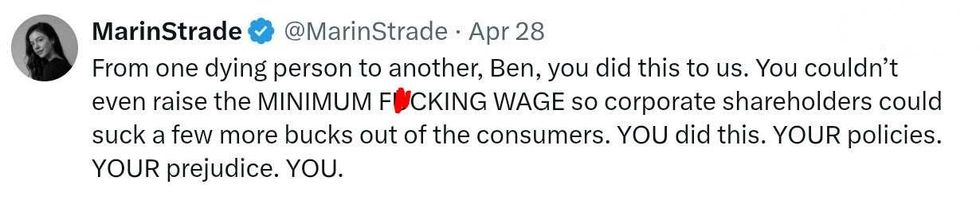 @MarinStrade/X
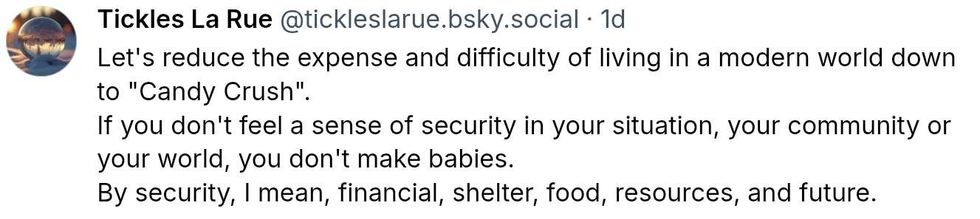 @tickleslarue/Bluesky
 @jbbredin/Threads
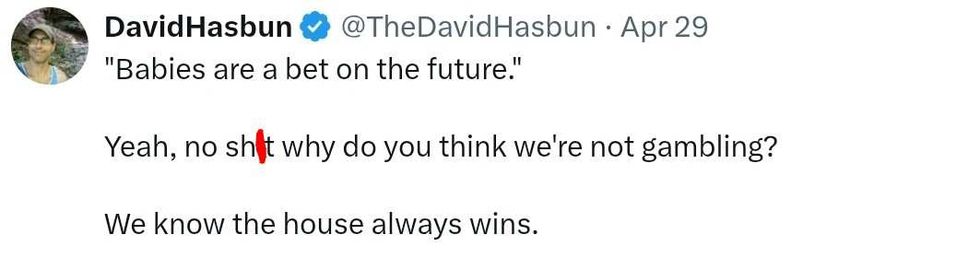 @TheDavidHasbun/X
 @aminhnow/Bluesky
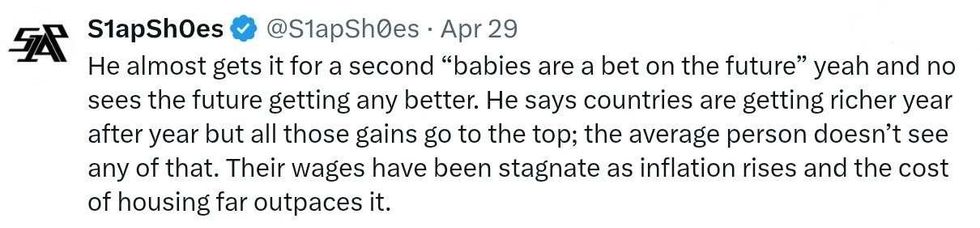 @S1apSh0es/X
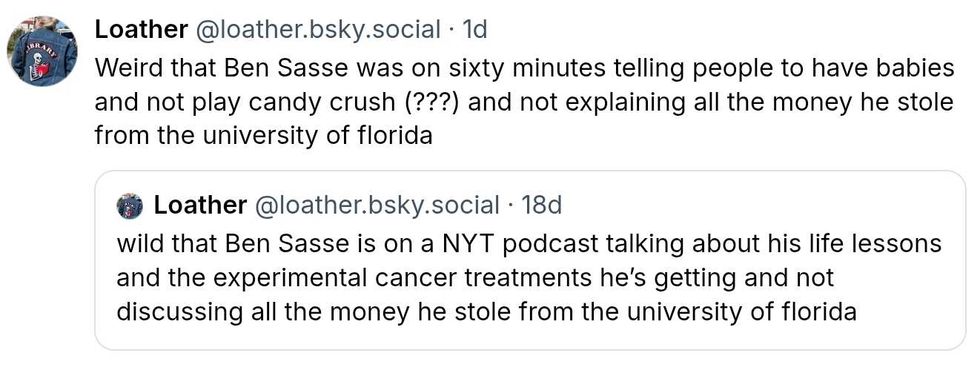 @loather/Bluesky
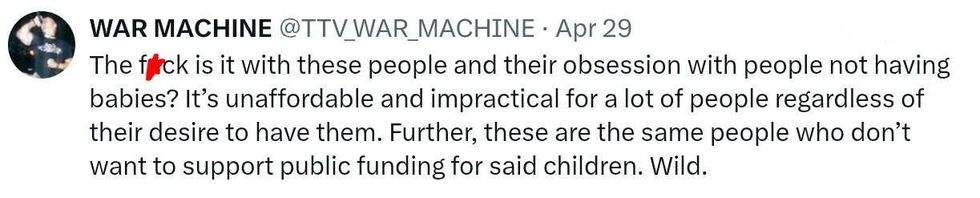 @TTV_WAR_MACHINE/X
 @eddiepearson/X
 @alex-awoos/Bluesky