
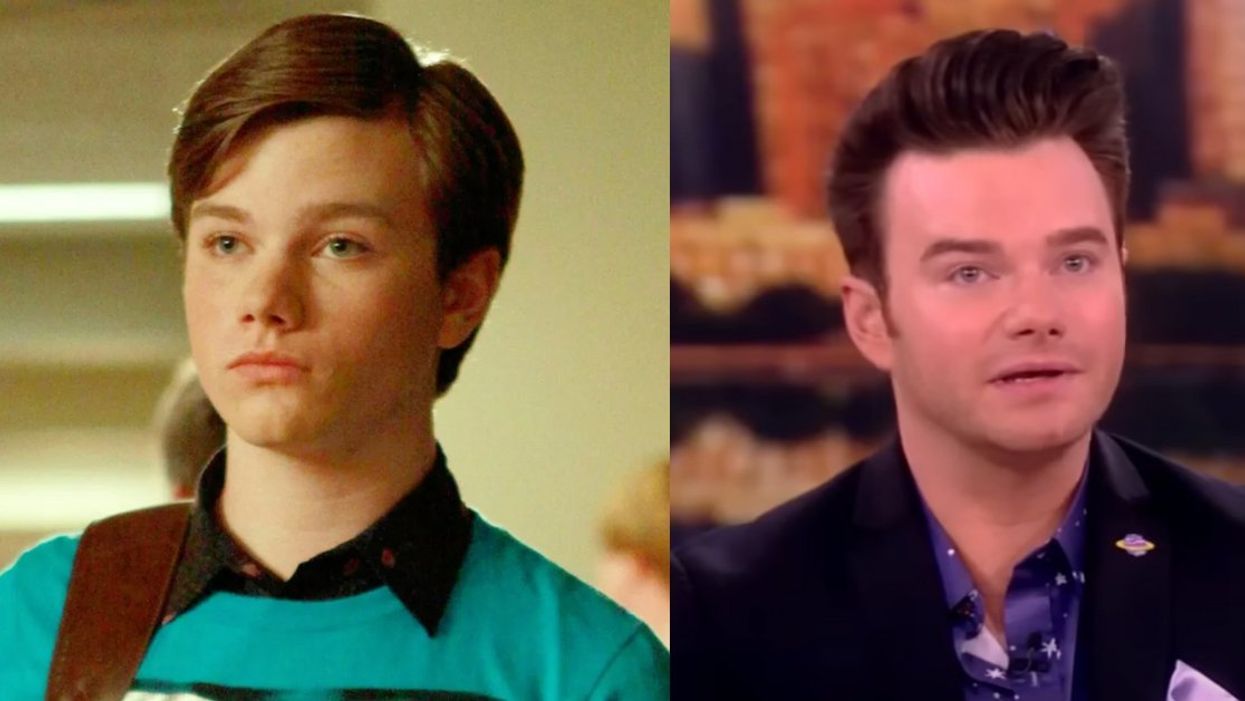

The TV show Glee was something of a cultural touchstone for millennial and Gen Z queer kids and a landmark in LGBTQ+ representation on TV when it premiered in 2009.
Even so, Chris Colfer, who played the gay character Kurt Hummel on the show, says he was repeatedly warned to stay in the closet after the show rocketed him to fame.
During an appearance on The View to promote his new book Roswell Johnson Saves the World, Colfer said he was told his career would be "ruined" if he came out.
Chris Colfer Talks Releasing 20th Book, Coming Out While Starring in 'Glee' | The Viewyoutu.be
That may seem a bit ridiculous by today's standards, especially given that Colfer is, as he described it to The View's cohosts, "more effeminate."
But it's all too easy to forget the climate in which Glee arrived when it debuted in 2009. Just five years prior, George W. Bush had won reelection in part because of ballot measures against marriage equality driving voters to the polls in key states.
Just one year prior to that, Colfer's home state of California passed Prop 8, which banned same-sex marriage in the state.
The legal and political fights that ensued began a snowball effect that ultimately resulted in marriage equality being passed on the federal level in 2015—the year Glee went off the air.
Even in supposedly accepting, liberal Hollywood, Colfer has spoken about routinely being called a "f*ggot" in auditions as a teen.
Unsurprisingly then, Colfer said that joining Glee at this time "terrified" him. He told the co-hosts:
"I grew up in a very conservative town where being openly gay was dangerous."
"I remember when I got on the show, the role was written for me, and I did not know what the role was gonna be."
"So I opened the script, and when I read the script for the first time was when I saw that it was an openly gay character, and I was terrified."
His anxiety over the situation only increased once the show got off the ground.
“When I started filming the show, I had a lot of people tell me: ‘Do not come out whatever you do because it will ruin your career.’ So I hid for a little bit."
"But I also told them: ‘I can’t hide it with my voice, I’m more effeminate than most people, I can’t hide it.’ And they said: ‘Don’t worry. As long as you never address it, you’ll be rewarded for it in the end.’”
Colfer ultimately decided it was "more important" that he refuse to play by those rules and be a role model instead, and he came out publicly during a 2009 appearance on Chelsea Lately.
Given Colfer's effeminate presentation and Glee's gay content, most people on social media, clearly too young to remember how wildly homophobic the 2000s were, mocked Colfer for telling his story.
Those who remember, however, applauded Colfer for coming out then and sharing his story now, especially in a time of resurgent, virulent homophobia and transphobia.
In a world and country as queerphobic as ours, coming out is always important and brave, even if it's not a surprise to others. And in a time when the progress we made just 10 years ago is being unraveled before our eyes, that shouldn't need to be said.








 @guptasarina/TikTok
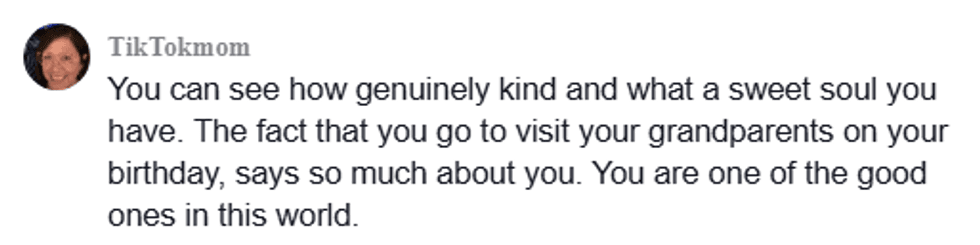 @guptasarina/TikTok
 @guptasarina/TikTok
 @guptasarina/TikTok
 @guptasarina/TikTok
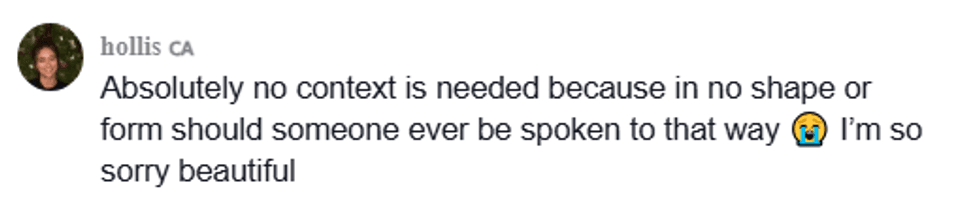 @guptasarina/TikTok
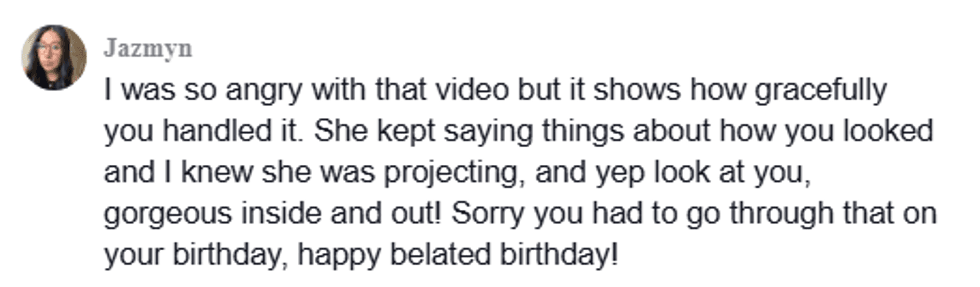 @guptasarina/TikTok
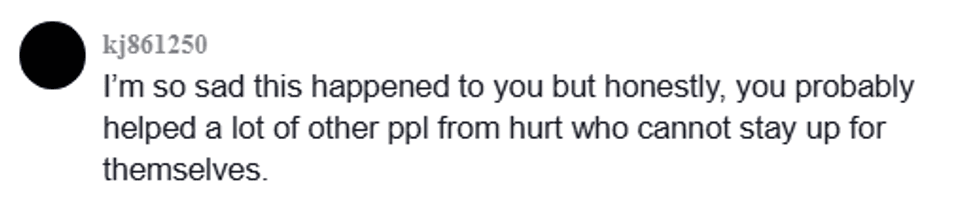 @guptasarina/TikTok
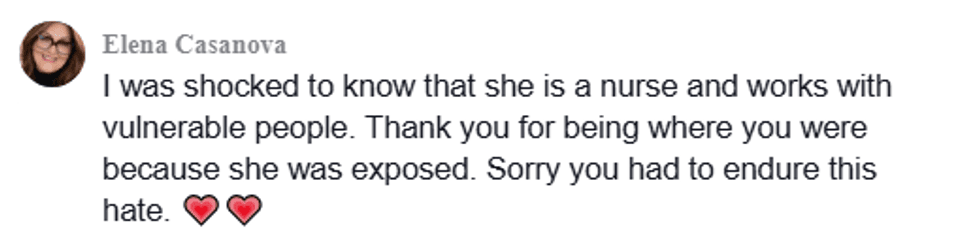 @guptasarina/TikTok
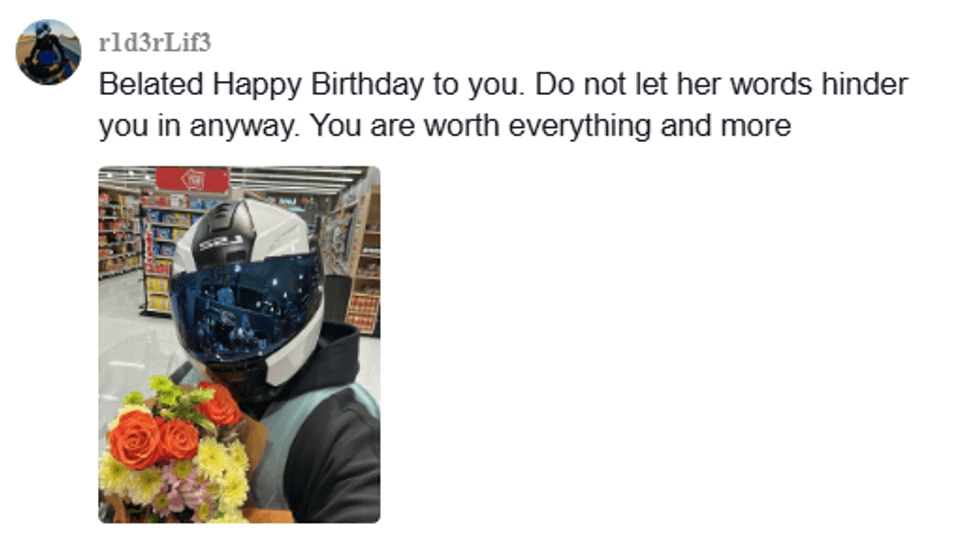 @guptasarina/TikTok


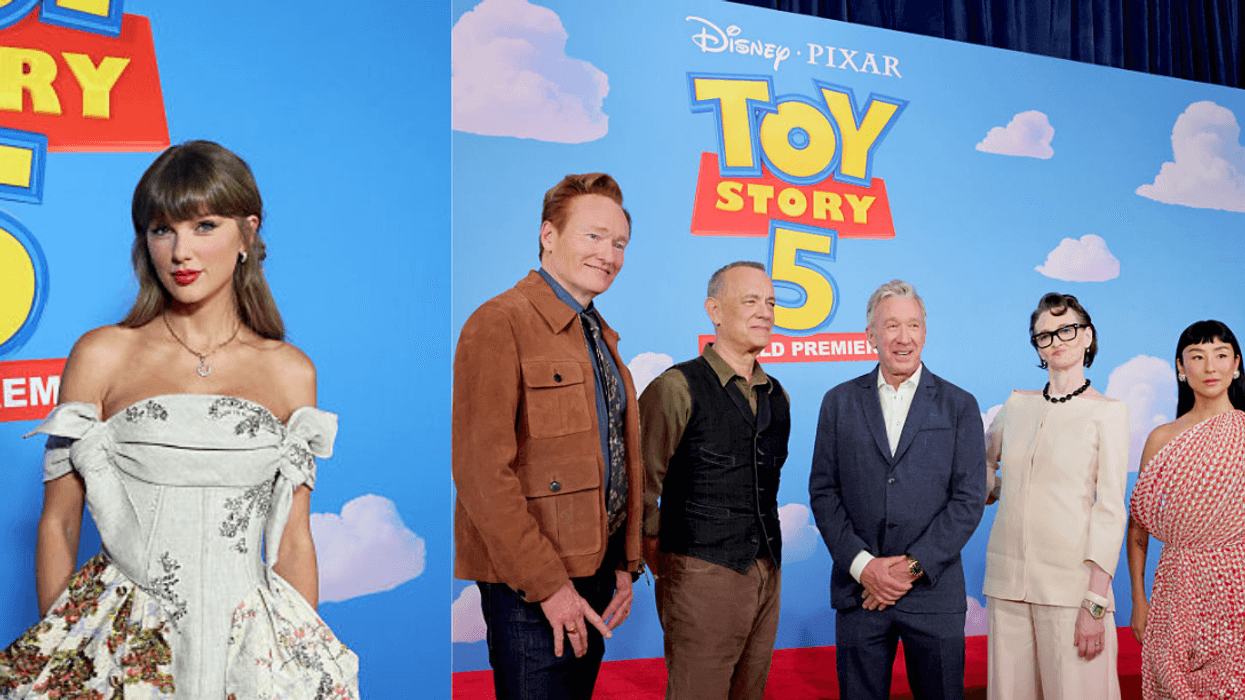
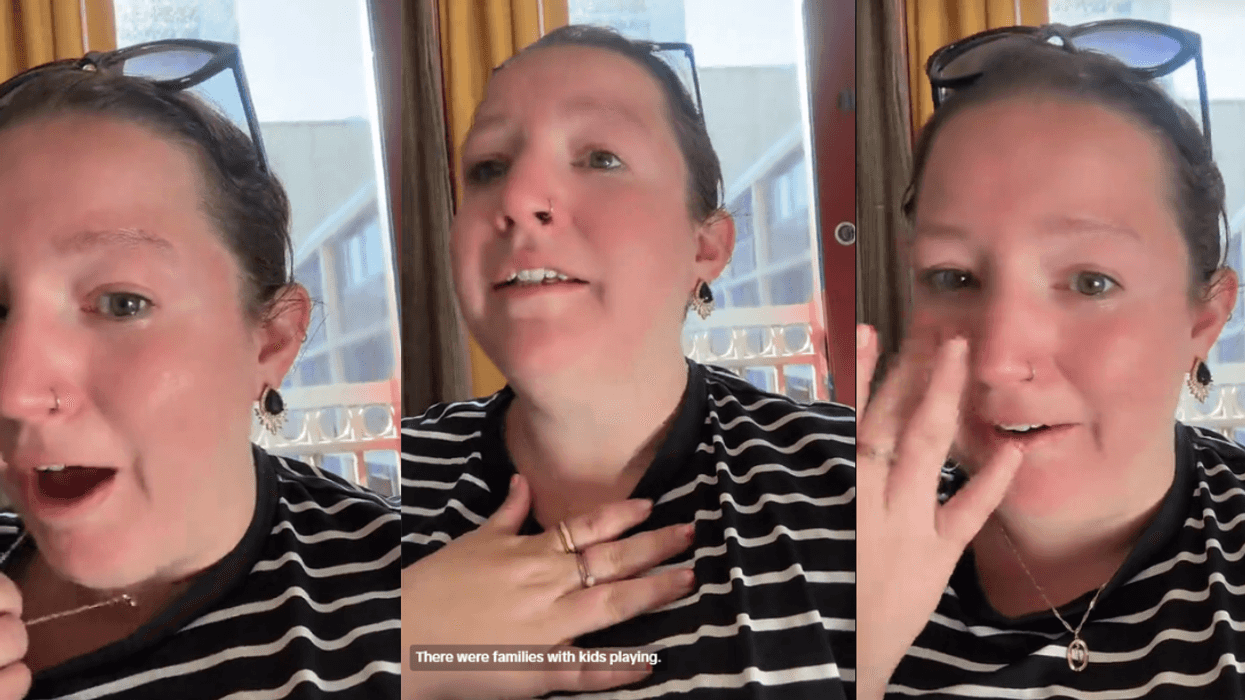
 @jessicajeankava/TikTok
 @jessicajeankava/TikTok
 @jessicajeankava/TikTok
 @jessicajeankava/TikTok
 @jessicajeankava/TikTok
 @jessicajeankava/TikTok
 @jessicajeankava/TikTok
 @jessicajeankava/TikTok
 @jessicajeankava/TikTok
 @jessicajeankava/TikTok