
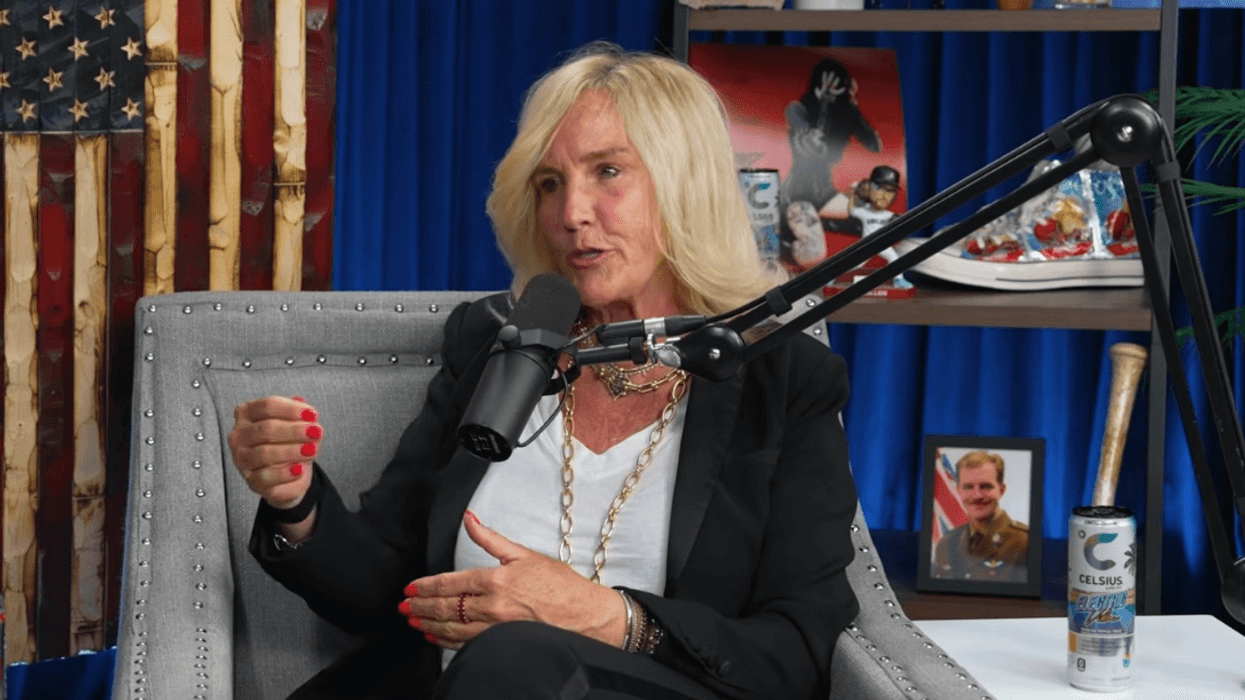

Self-described "people advocate"—a term she prefers over environmental activist or consumer advocate—Erin Brockovich recently sat down with comedian Theo Von on his podcast This Past Weekend. They spoke about her now adult children, the court case and resulting film that made Brockovich a household name, and what she's done since.
About a third of the way into the hour and a half long sit down, Von noted that what made him want to connect with Brockovich was an article she wrote for her Substack, The Brockovich Report, titled, "If Data Centers Are So Great, Why Are They Being Built in Secret?" which launched her mapping initiative posted on the website Brockovich AI Data Center Reporting.
In her article, Brockovich wrote of the people who contacted her about the AI data centers:
"The single most common concern—more than noise, more than water usage, more than rising utility bills—is the one word that keeps appearing in submission after submission: transparency."
"...the pattern our map documents: projects announced after permits are already secured, developers who don’t return calls, local officials who signed NDAs before their neighbors knew a project was being considered."
Speaking to Von about the project, she shared:
"When I put this map out, in the first 72 hours, the map crashed twice, and I woke up on day 3 going, 'oh my God, it's not one town and one data center, it's the entire country.'"
"They had no idea. They woke up to this construction. They weren't informed. City council didn't tell them anything. Because these big tech groups came in and put these city council members under NDAs."
The people advocate noted it was complaints from the public that spurred her to act, telling Von:
"[AI data centers are] pushing people too far at this point. You’re taking their water. Their air is jeopardized. Their land is jeopardized. Their sanctuary is jeopardized. Their wildlife is jeopardized. The trees, the rivers, the creeks, the birds, all of it."
Among the known negative impacts of AI data centers are:
- higher energy consumption
- higher electricity costs
- water use straining local supplies
- toxic or nonbiodegradable electronic waste from frequent hardware upgrades
- vulnerability to natural disasters and flooding
- pressure on local infrastructure and public resources
- noise pollution from round-the-clock cooling systems and backup generators
- use of wildlife habitat, timberland, or farmland
Some cities and states have taken the preemptive step to ban these projects because of community outcry.
People appreciated Brockovich's efforts and agreed oversight was needed.
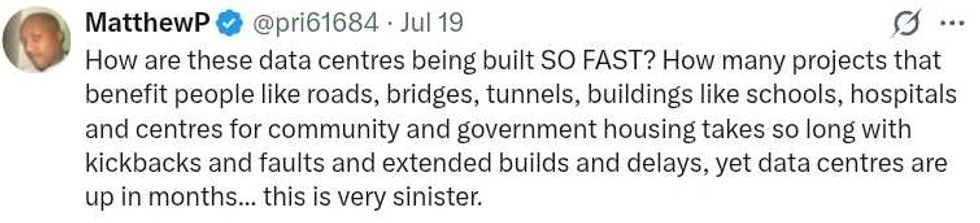
While AI is widely embraced by tech giants who insert it into every device and platform they possibly can, it's far less popular with the consumers that use those products and services.
Creatives have long spoken out against AI technology for stealing their intellectual property without consent or compensation while being used to make their functions obsolete.
A recent poll conducted by Johns Hopkins found 57% of United States' consumers felt the risks of AI outweigh any benefits and strongly demand "right to a human" and other opt-out regulations.
You can watch the full episode with Brockovich here:

 @nikolcosmetics/TikTok
 @nikolcosmetics/TikTok
 @nikolcosmetics/TikTok
 @nikolcosmetics/TikTok
 @nikolcosmetics/TikTok
 @nikolcosmetics/TikTok
 @nikolcosmetics/TikTok
 @nikolcosmetics/TikTok
 @nikolcosmetics/TikTok
 @nikolcosmetics/TikTok
 @nikolcosmetics/TikTok
 @nikolcosmetics/TikTok


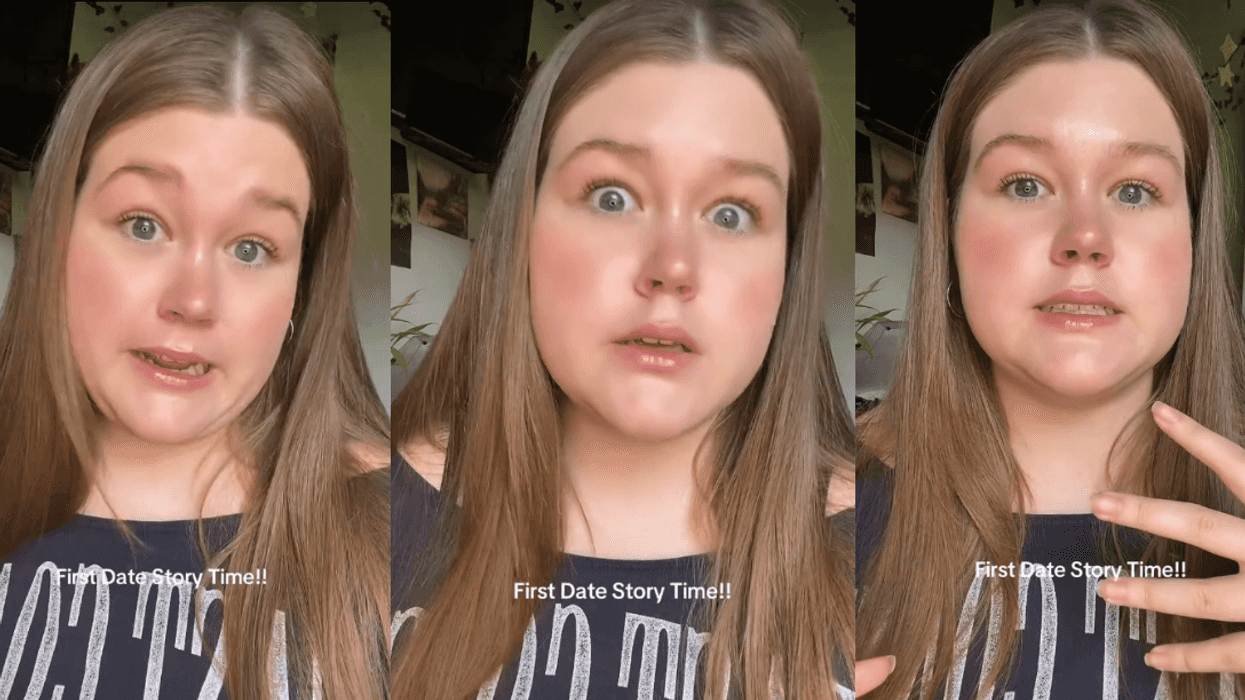
 @spicycokezero/TikTok
 @spicycokezero/TikTok
 @spicycokezero/TikTok
 @spicycokezero/TikTok
 @spicycokezero/TikTok
 @spicycokezero/TikTok
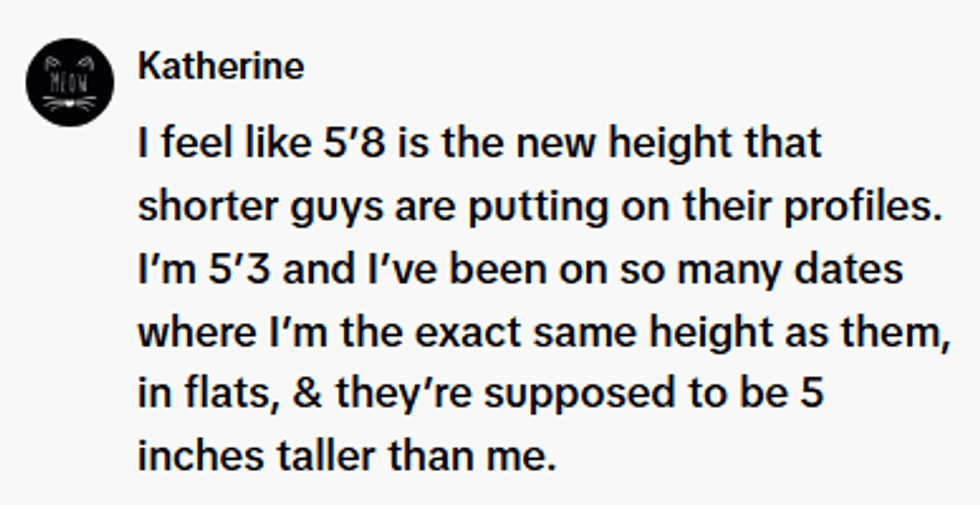 @spicycokezero/TikTok
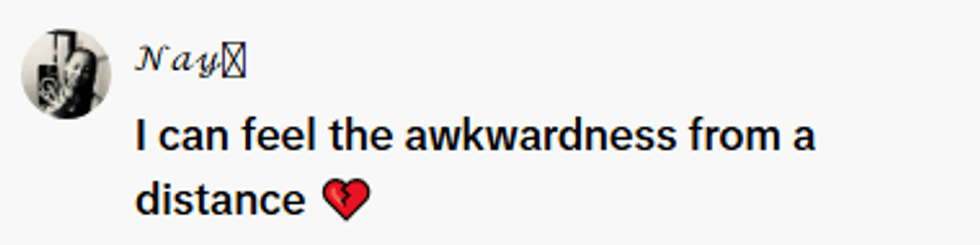 @spicycokezero/TikTok
 @spicycokezero/TikTok
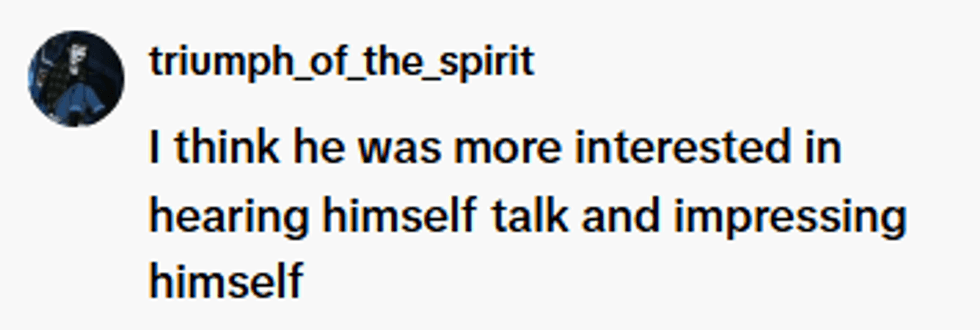 @spicycokezero/TikTok
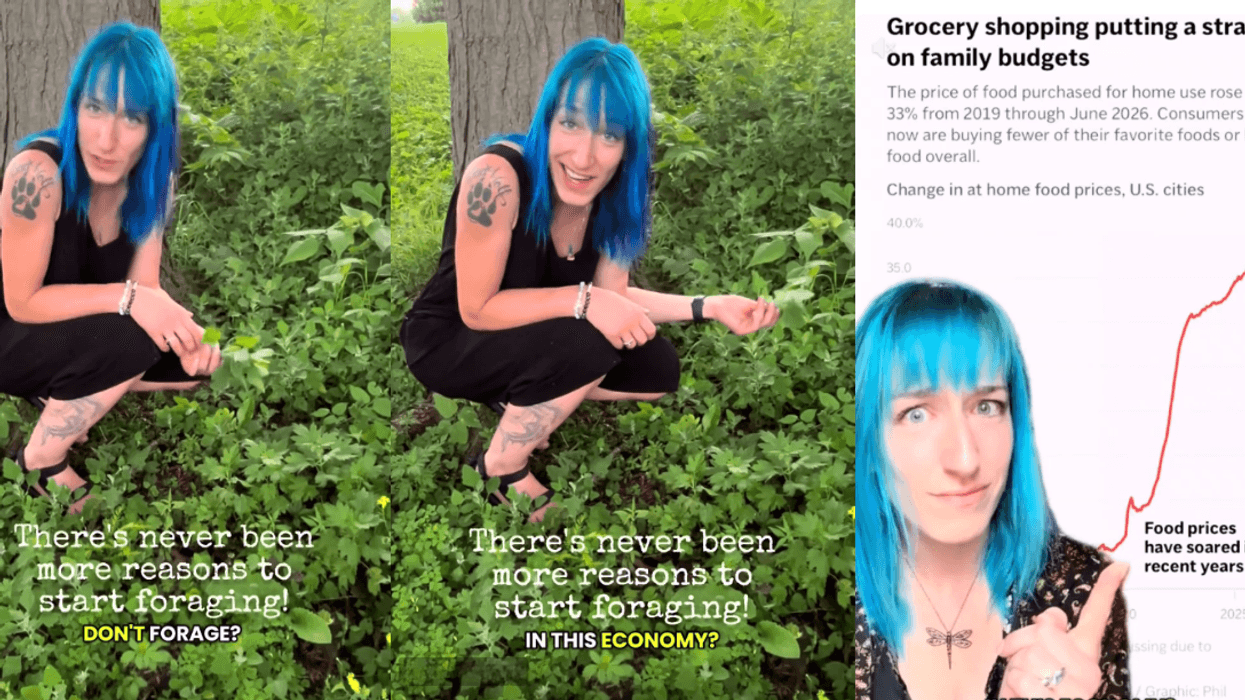
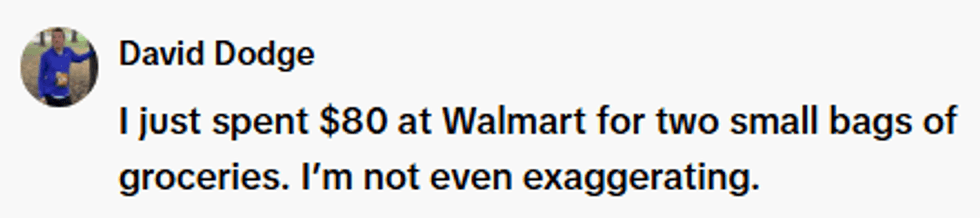 @kendallybrown/TikTok
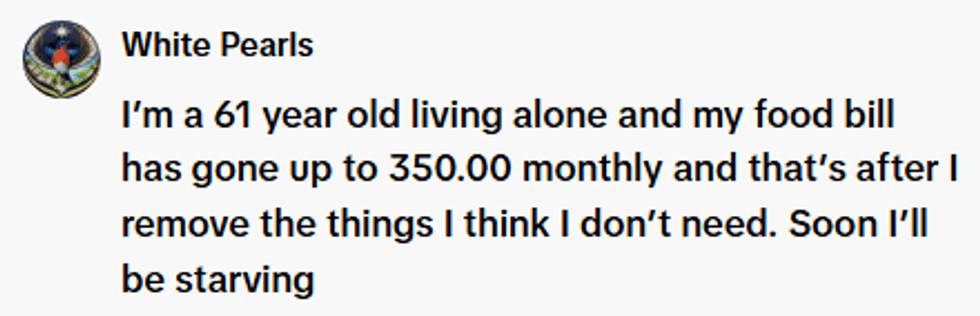 @kendallybrown/TikTok
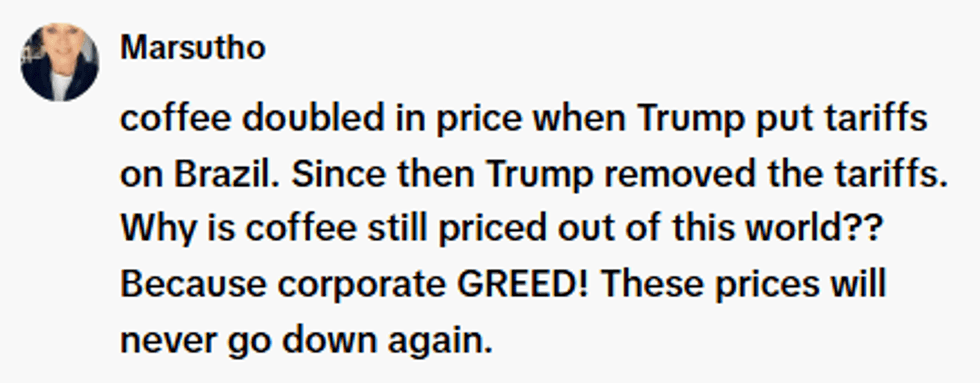 @kendallybrown/TikTok
 @kendallybrown/TikTok
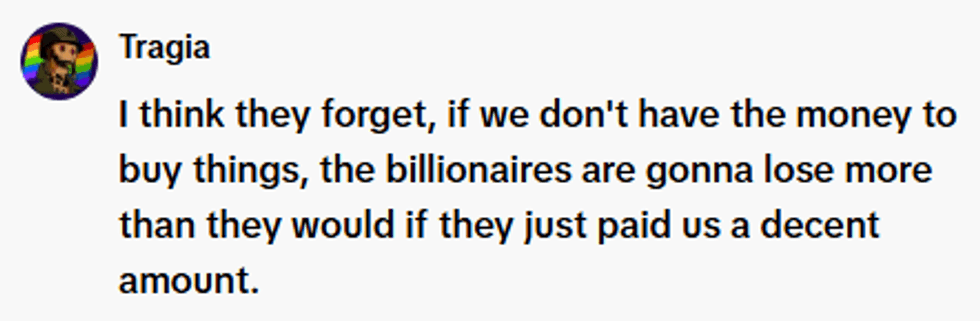 @kendallybrown/TikTok
 @kendallybrown/TikTok
 @kendallybrown/TikTok
 @kendallybrown/TikTok
 @kendallybrown/TikTok
 @kendallybrown/TikTok